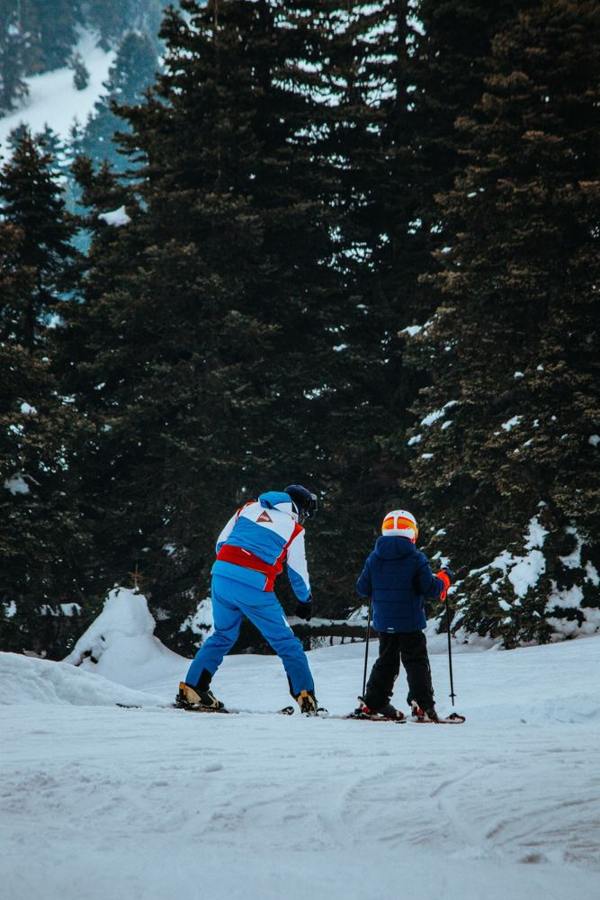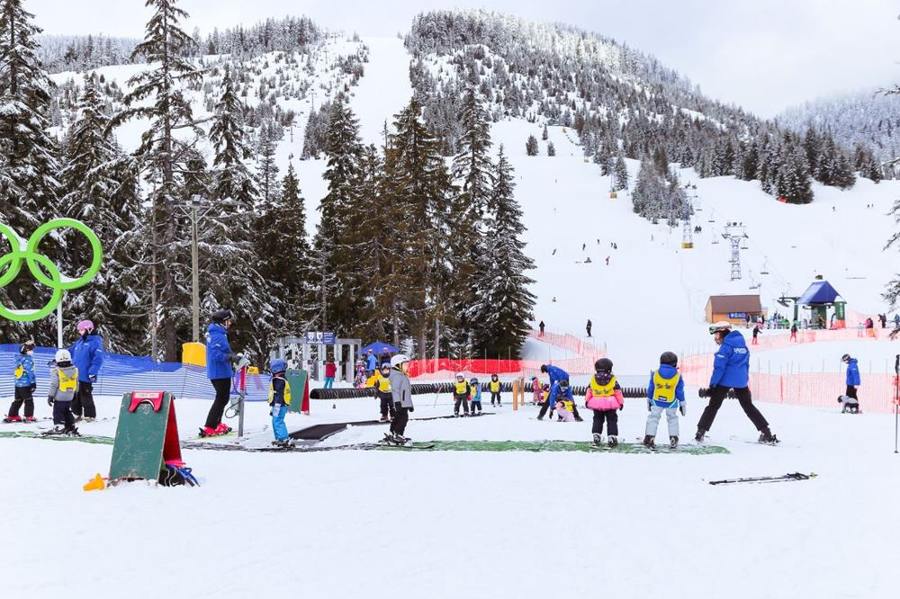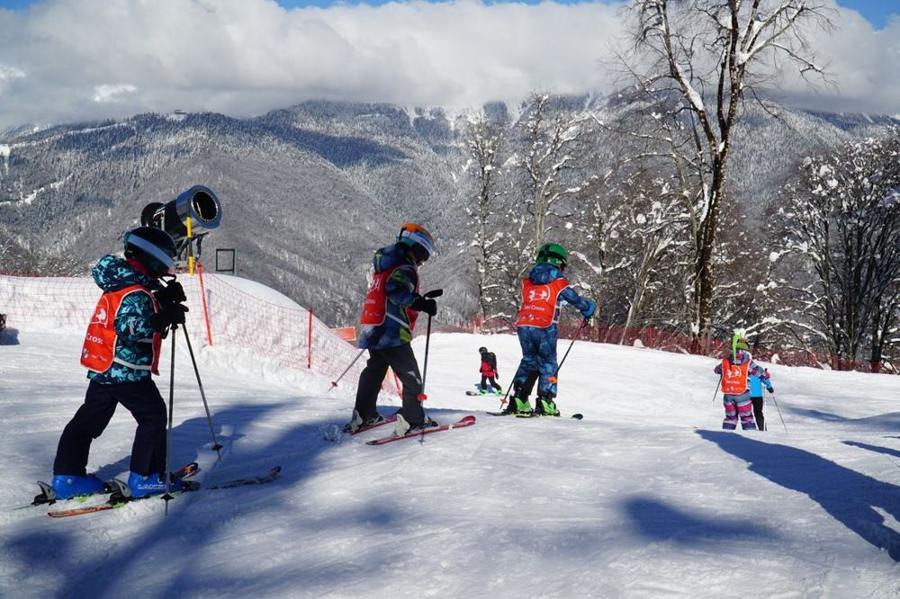
Many jackets and gloves look alike in a children’s lesson group. A distinctive pattern sometimes helps, but a clear label is more dependable than remembering a colour. It cannot replace supervision or guarantee that an item will be found, yet it can make identification quicker. Complete the labelling before travelling, while everything is dry and available to inspect.
Find suitable places first
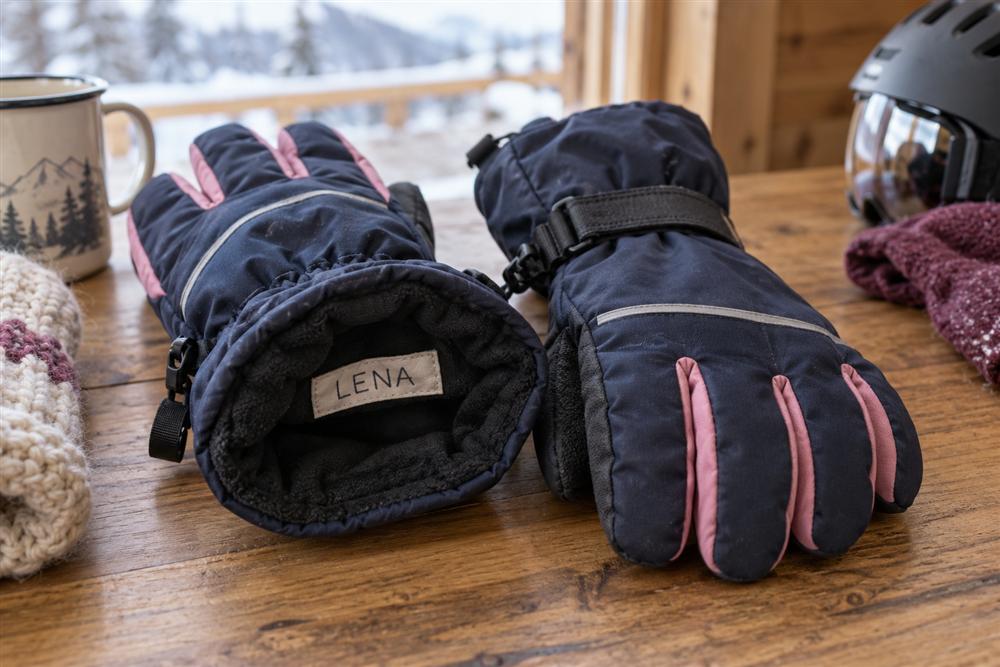
Check whether the garment already has a name panel or a designated tab. Prefer that location. When adding labels, follow the instructions for the material and attachment method. An arbitrary sticker will not adhere equally well to every coating.
Avoid altering protective materials, seams or closures. If uncertain about adhesive, ironing or stitching, ask the manufacturer for a suitable option. Technical clothing should not be unnecessarily modified simply to make a name visible.
Choose a short, clear identifier
Use a name or an identifier agreed with the supervising staff that the child can recognise. Families sharing a surname can add initials. The marking needs to remain legible rather than wrapping around a small glove cuff.
Do not display personal contact information prominently on the outside. If the provider requires details, use its designated process. A readable internal label and a parent contact held by the school serve different purposes.
Check pairs and spare items together
Label each glove individually. A marked left glove does little to help when only the right one remains at the meeting point. Check the hat, neck warmer and supplied spare clothing too. When sizes change or siblings exchange items, keep the identification current.
Show the child the labels and practise recognising their belongings. Put spare items in a labelled bag if the school expects one. The outer bag should not be the only place carrying identification.
Check readability during the trip
Labels can become harder to read after wet days or washing. Inspect them when sorting belongings in the evening and renew them only as permitted by the label and garment instructions. Remove loose stickers completely before they break up inside a glove.
If something is missing, describe its colour, size, brand and identifying mark precisely. A photograph taken before travelling makes that description easier. Start by asking at the designated lost-property point and contacting the responsible lesson staff.
An effective label is small, legible and suitable for the material. It works best alongside a consistent place for belongings and a child who recognises their own identifier. Check the everyday organisation as well as the written name.