Start skiing
Prepare for a first ski day without rushing
Confirm the meeting point, allow proper time for rental equipment and agree a few simple arrangements. Plan the morning’s journeys before planning the descents.
Find a practical guide for the question in front of you.
108 guides
Confirm the meeting point, allow proper time for rental equipment and agree a few simple arrangements. Plan the morning’s journeys before planning the descents.
Compare lesson level, language and meeting location before comparing prices. Choose an offer that fits your actual starting point and daily arrangements.
Compare teaching formats against your questions, schedule and total budget. A useful choice requires more than finding the lowest price per advertised hour.
Distinguish the course office, rental shop and lesson meeting place. Plan the equipment journey and clarify any mountain transport or specific access beforehand.
Allow fitting time, short equipment journeys and a place for ordinary shoes. Clarify fit and operation with the rental staff before planning the lesson start.
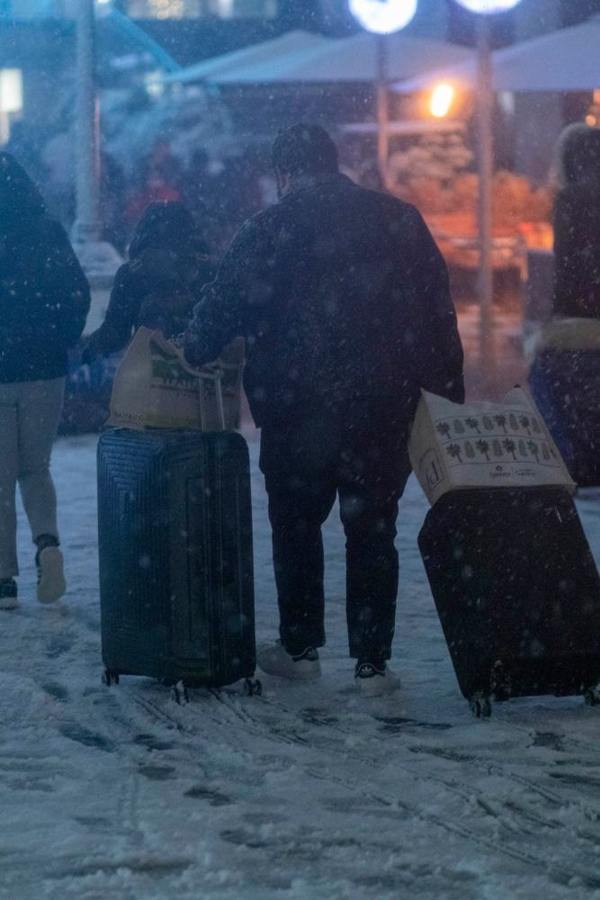
Choose a manageable route, organise equipment before leaving and ask for a suitable carrying method. Fewer loose items make finding the meeting point easier.
Check instruction, access and how the area is actually used. A welcoming name does not establish that it suits your first lesson or booking.
Have the local procedure explained before the first journey. Clarify access, exit and equipment handling with the instructor instead of simply copying other users.
Clarify the destination, equipment storage and return journey before boarding. A gondola trip should fit the day without unexpectedly requiring an unsuitable ski descent.
Discuss boarding, equipment and the route after leaving with local staff. Your first journey needs an appropriate introduction rather than an improvised group decision.
Make breaks part of the plan and connect them with the lesson and return journey. A useful day does not require the longest possible uninterrupted session.
Use the specific resort’s legend and assess the complete route. A colour does not replace current conditions or an appropriate assessment of your ability.
Connect numbers, names and destination signs with the official map. Clarify junctions early and treat closure notices separately from the circuit you originally planned.
Agree a definite location, time and fallback. Different plans need one clear shared arrangement rather than repeated attempts to find everyone by phone.
Check current operator information and discuss changes with the instructor. An adapted day may be shorter or contain different plans from the original schedule.
Plan the return as a complete route and set an earlier personal departure. One closing time says little about a journey using several installations.
Describe previous experience separately from present uncertainties. A return lesson should fit your current starting point rather than relying only on runs completed years ago.
Separate shared holiday time from identical piste plans. Clear lessons, accessible meetings and honestly discussed preferences give both partners room for suitable days.
Use the end of a lesson for a few precise questions. Understandable feedback helps the next booking and daily plan more than a general verdict on progress.
Choose an accessible location and connect it with lesson finish, equipment storage and the return. A straightforward break does not require the resort’s most famous restaurant.
A brief review can make your next ski day easier to organise. Separate learning, equipment and logistics so that a tiring introduction produces useful changes.
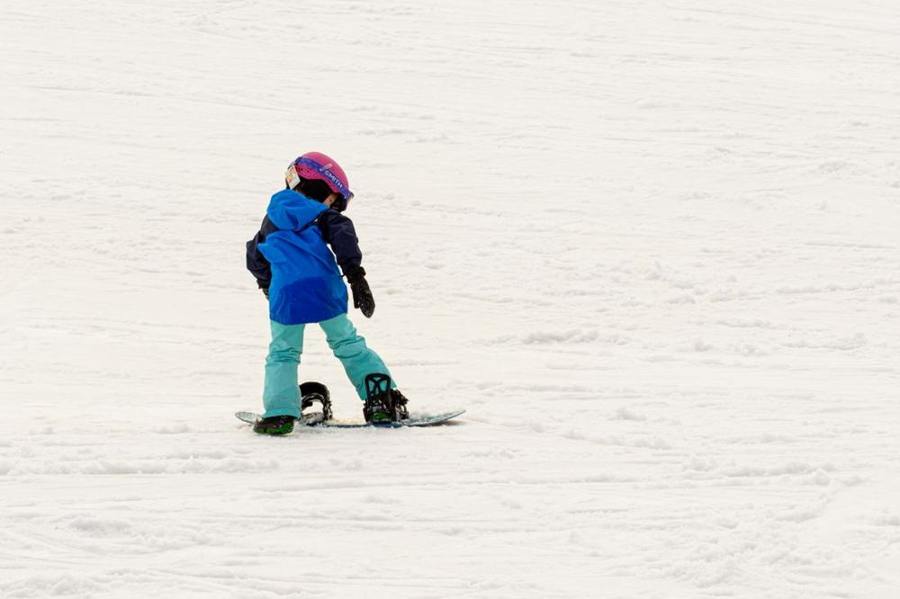
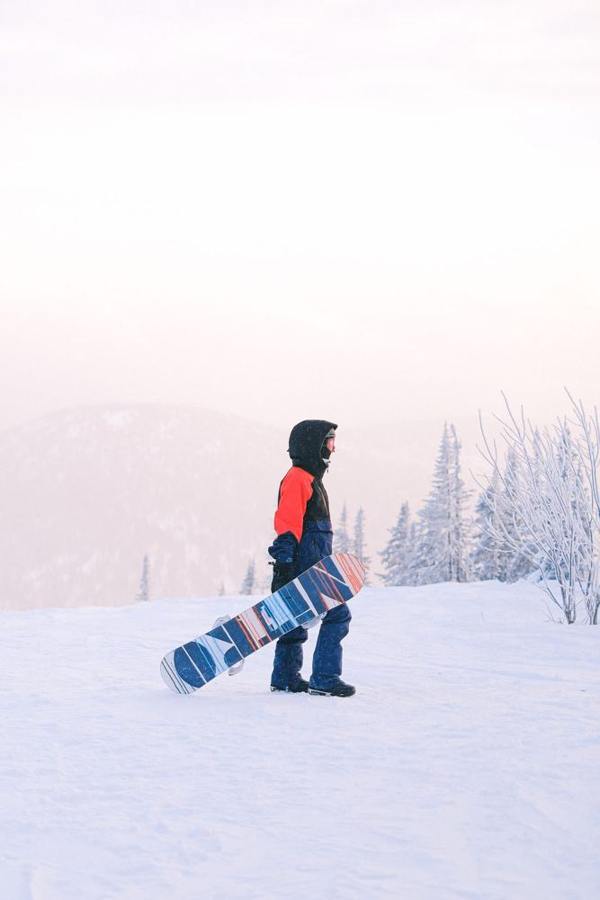
A first snowboard lesson needs clear booking details, suitable rental equipment and a reachable meeting point. Connect those arrangements before filling the rest of your holiday day.
Allow time to try both rental boots, understand their closure system and assess them standing up. Precise feedback helps staff find an appropriate pair.
You do not need a final decision about your leading foot before a first snowboard lesson. Explain any uncertainty and have the equipment setup professionally guided.
A first rental board should suit the rider, boots and booked lesson. Compare the complete service rather than choosing by length or rental price alone.
Parking near a lift does not necessarily mean parking near the lesson. Check the complete route, including rental collection, station access and the snowboard group’s actual meeting point.
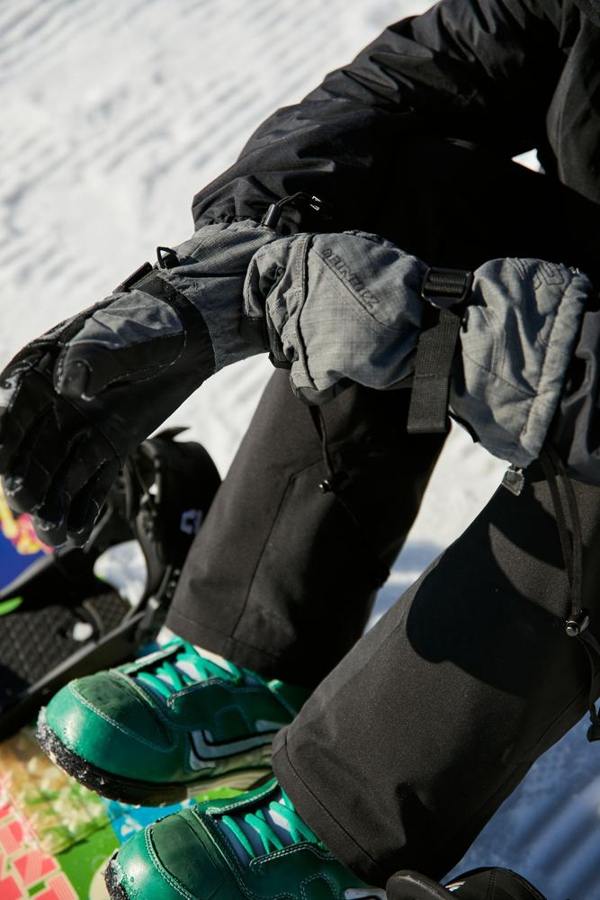
Snowboard lesson gloves need to suit snow contact and equipment handling. Check the palm, cuff, movement and care instructions on the specific model before buying.
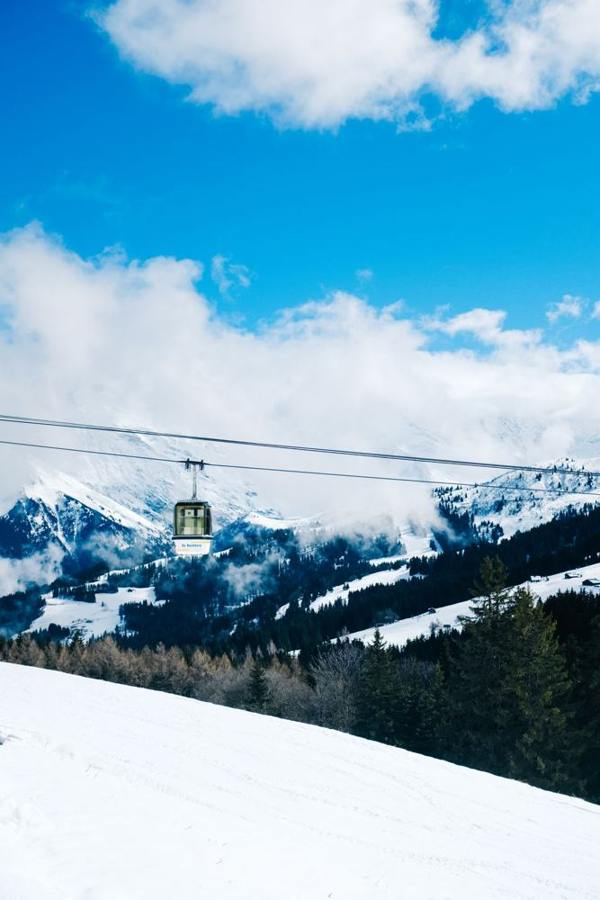
Before a gondola ride, connect the destination, board transport and journey back. The particular installation and staff instructions determine how the trip should work.
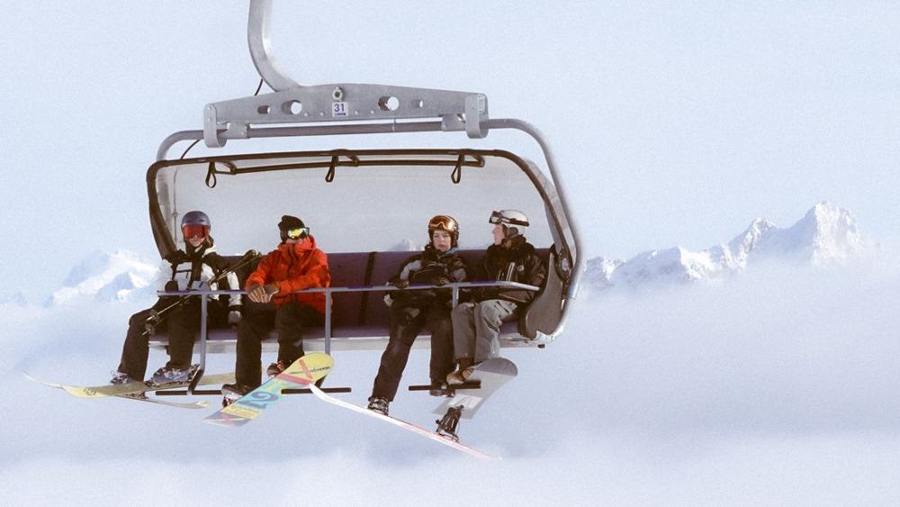
A first chairlift ride with a snowboard requires local instruction. Confirm the connection’s suitability, equipment arrangements and meeting point afterwards with the instructor and lift staff.
A comfortable snowboard break starts with the right location and organised equipment. Check the seating, storage and route there rather than improvising along the way.
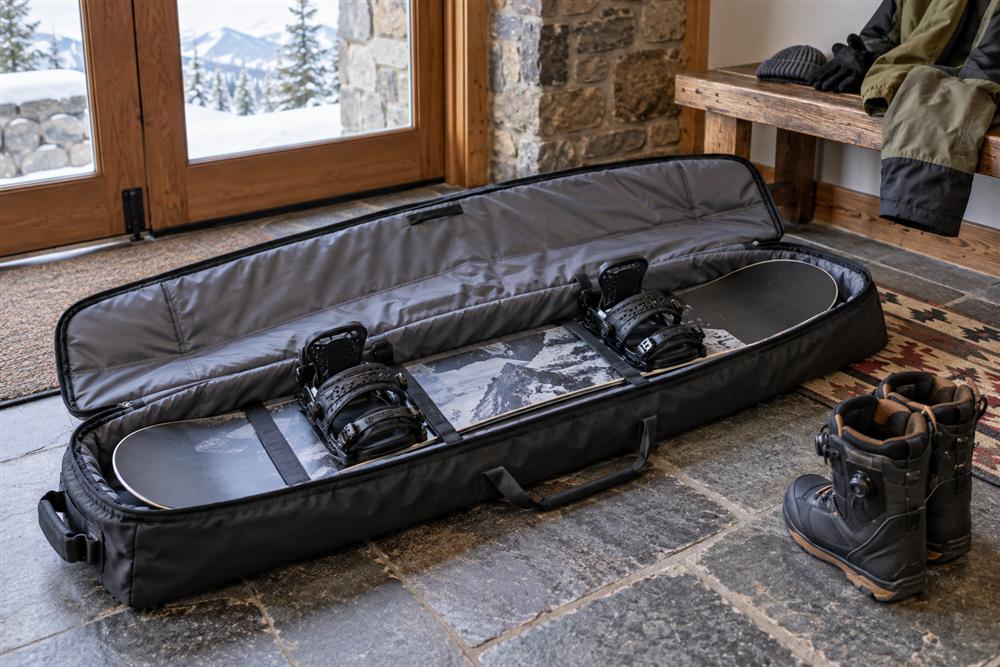
The right snowboard bag fits the complete equipment and the journey. Check bindings, internal space, carrying points and packed weight as well as the board’s length.
Train travel requires attention to all your luggage and every change. Pack the board and boots clearly, check carriage requirements and plan the final journey to your accommodation.
A mixed group needs shared aims and flexible connections. Coordinate lessons, route choices and meeting points to organise the day without constant comparisons between participants.
A snowpark has its own local requirements. Read current signs, clarify unfamiliar terms and discuss a first visit with qualified instructors before making further plans.
Watching requires an appropriate access route and a location confirmed by the operator. Check the viewing area and return journey before settling in for photographs or a meeting.
The next snowboard lesson should build on specific observations. Ask about suitable tasks, course format and equipment needs before booking extra sessions or planning independent riding.
On a short trip, collection and returns influence the whole schedule. Connect lessons, rental and accommodation before choosing the hire period and additional services.
Planning the finish removes pressure from a snowboard day. Notice how the day is going, raise difficulties early and keep a clear return route independent of the group.
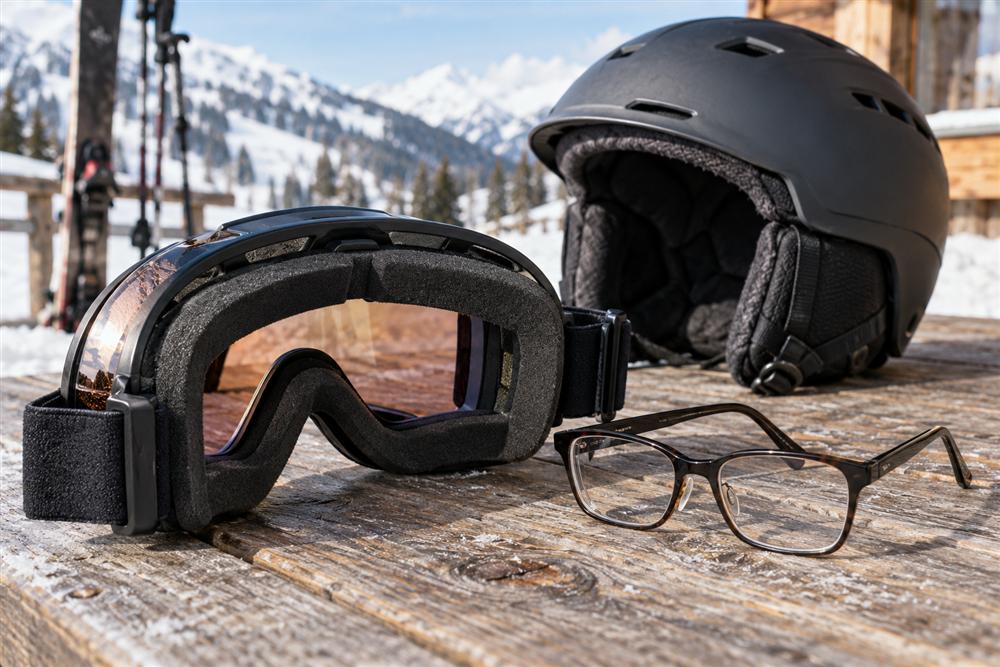
Try your helmet and goggles together, checking facial contact, their upper edge, and ordinary movement before choosing a frame shape or an especially large field of view.
Compare light transmission, intended conditions, and replacement options for a particular lens instead of judging its suitability solely by the mirror finish or colour.
Try your own glasses together with goggles and helmet so frame arms, the nose bridge, and ordinary movement are all considered during the fitting.
Use the size chart as a starting point, then assess fit, adjustment, and compatibility with your goggles on the particular helmet you intend to wear.
Compare gloves using your actual handling tasks and ski jacket, rather than assuming a thicker construction automatically makes them a more appropriate choice.
Assess internal space, thumb movement, and handling your equipment before choosing mittens purely by their bulk or the warmth description on the product.
Arrange socks and clothing before closing ski boots so folds, twisted heels, and unsuitable extra layers become apparent while they are still easy to correct.
Choose the layer next to your skin as part of the whole clothing arrangement, with a practical plan for warmth, breaks, and dry replacements.
Compare a midlayer beneath your existing jacket, checking movement, fastenings, and storage instead of assessing its visible thickness in isolation from the rest of your kit.
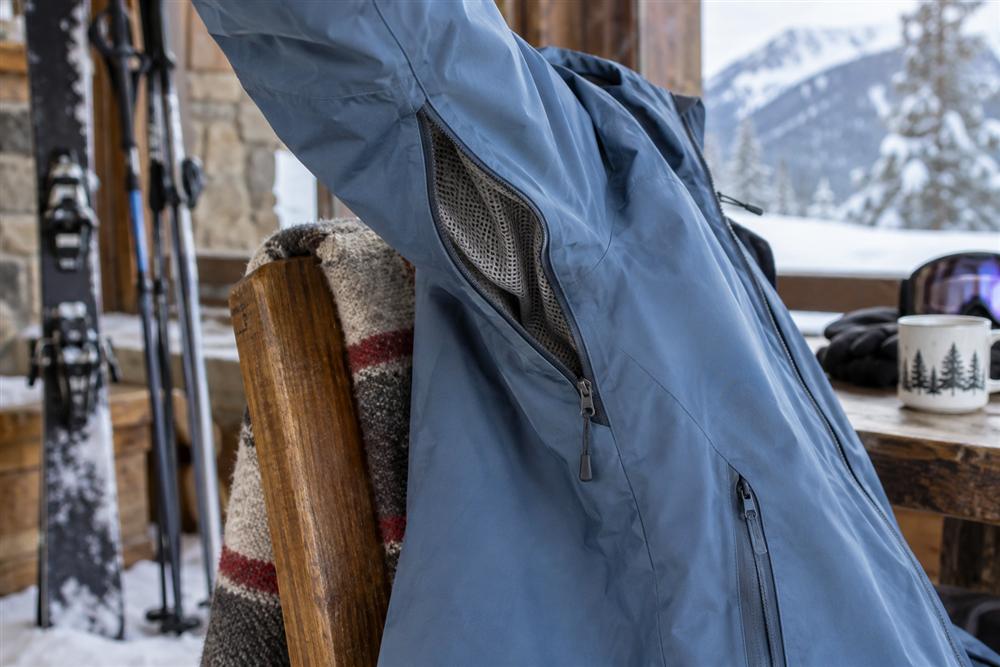
Learn where your jacket vents are and how they operate before skiing, then adjust them for activity and conditions at a suitable stopping point.
Try ski trousers with your planned layers and boots, assessing movement, fit, and hems together rather than choosing them by waist measurement alone.
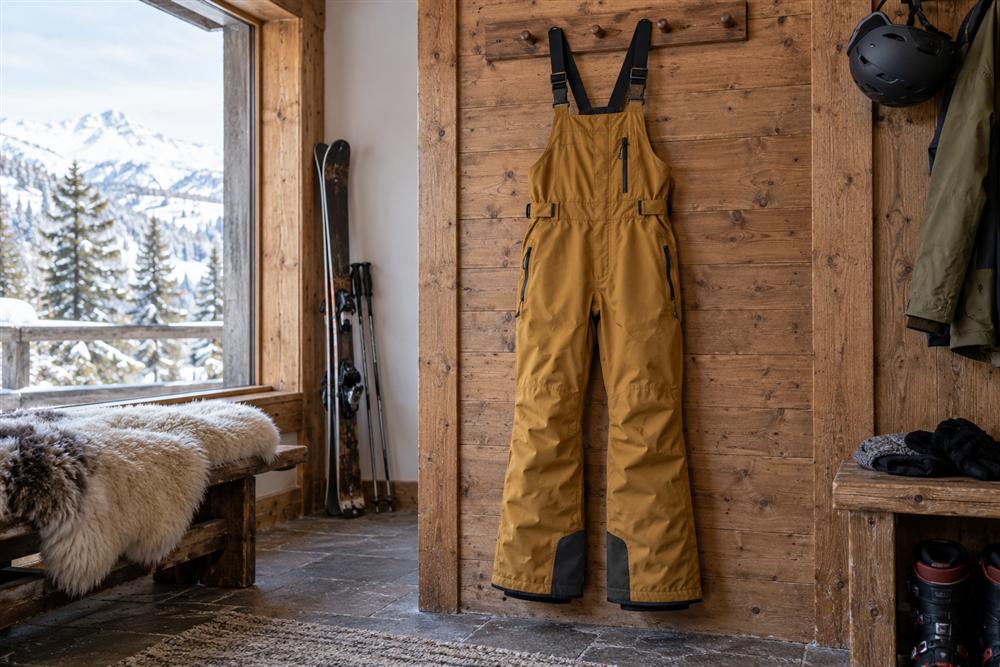
Straps, the bib and access zips change how snow trousers fit. A complete fitting shows whether the design works with your other layers in everyday use.
A piste backpack should reflect what you actually need during the day. Clear compartments and a settled fit are more useful than carrying as much as possible.
Fixed places for your phone, keys and documents reduce searching during the day. Include breaks, damp clothing and the journey back to your accommodation in the arrangement.
A neck warmer must work with your jacket collar, helmet and goggles. Check its height, bulk and handling with the equipment you actually wear on the mountain.
Walking to the ski bus, shopping and exploring the village differ from skiing. Choose winter boots around those actual journeys and the clothing you will wear.
A separate boot compartment makes the rest of your packing easier to organise. Its actual shape, access and handling after a damp journey matter most.
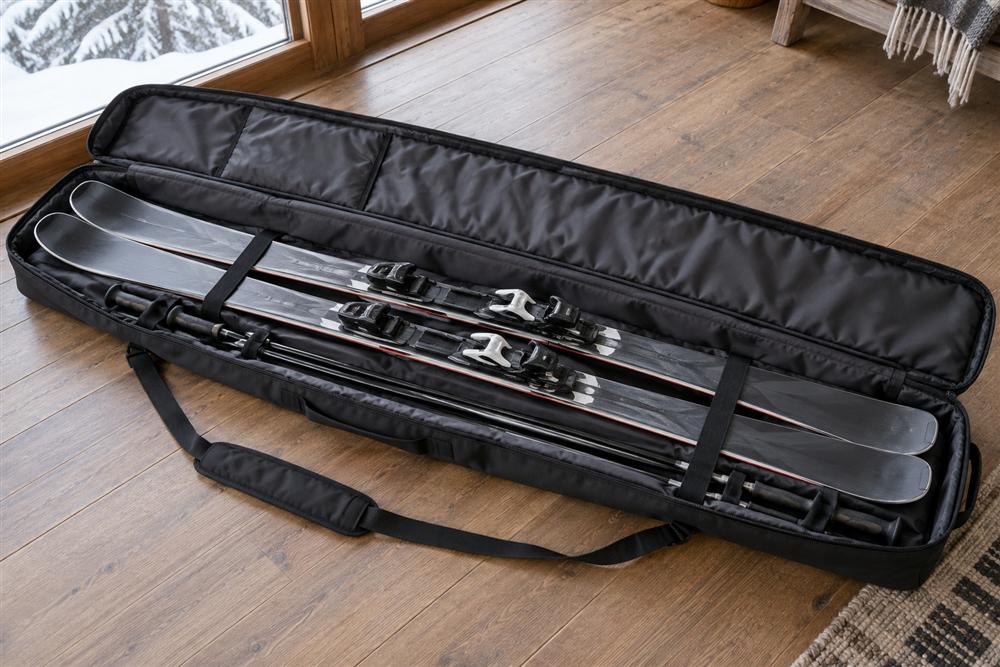
A suitable ski bag accommodates the actual ski length, bindings and transport route. Check it loaded rather than comparing only the size printed on the label.
For a few ski days each year, consider the whole effort surrounding equipment. Compare use, transport, servicing and suitable availability alongside purchase costs and daily rental.
Children's sizes, needs and travel plans change. Deciding separately for each piece of equipment is often clearer than choosing between an entirely purchased or rented set.
With second-hand ski clothing, assess fit, condition and clear care information. Photographs alone cannot establish whether fastenings work or the garment remains suitable for your use.
A ski pass needs a fixed, suitable home. Compare existing jacket pockets and holders with the resort's instructions before buying extra straps or retractable attachments.
A suitable bottle and well packed food are easy to use during breaks. Plan the closure, portions and return of packaging alongside the other bag contents.
Dry spares help only when they are suitable and accessible. Distinguish between items carried in your day bag and the supply kept at your accommodation.
A packing list involving rental equipment starts with the confirmed booking. Separate borrowed equipment, personal clothing and documents to avoid discovering important gaps on collection day.
A daily budget becomes clearer when fixed travel costs and actual ski days are recorded separately. Use specific offers and deliberately include smaller additional expenses.
Being close to a lift involves more than distance on a map. Check the actual walking route, suitable starting point and arrangements with your equipment.
A nearby stop helps only when the services fit. Compare timetables, walking routes and access conditions with the actual dates and lesson times of your stay.
Train travel with ski luggage depends on manageable bags and understandable connections. Check the complete journey, including the final section to your accommodation.
A comfortable arrival starts with realistic journey planning. Include breaks, current road information and accommodation access before committing to a fixed arrival time.
Calm equipment collection needs confirmed timings and enough room for fitting. Connect arrival, accommodation and rental arrangements into one schedule with workable alternatives.
For a few days away, a complete routine helps more than a long reserve list. Pack around travel, ski days and accommodation, then check the combination beforehand.
Suitable holiday accommodation needs a clear place for damp equipment. Ask about the actual rooms and permitted uses rather than relying on a general ski room description.
A lift pass should match your intended use. Compare covered areas, validity periods and booking conditions against your actual ski days rather than an advertised daily figure.
A ski day without a car needs a complete chain of connections. Plan outward travel, equipment and return together, keeping the last suitable service in view.
A day off need not be filled with replacement activities. Choose a suitable pace, manageable journeys and time for things left aside between ski days.
Choose accommodation, daily plans and meeting points that let companions enjoy winter independently instead of spending their holiday waiting for the skiing group to return.
Agree on access, reservations and timing so a group lunch does not become a long search across different runs and crowded tables.
Read the forecast for the right place and time, check local operating information and keep a reachable alternative ready rather than building the whole day around one weather icon.
Limit transfers and extra appointments, pack the evening before and treat the journey home as part of the outing rather than whatever remains after the longest possible ski day.
Assign bookings, travel information and shared errands clearly without making one person silently responsible for every traveller’s individual decisions.
Check breakfast, equipment storage and the actual route to the lesson meeting point so apparently convenient accommodation does not become a morning obstacle.
Choose an explicitly open winter route, understand the start and return and keep the outing manageable for the current conditions and the people walking with you.
Separate rented equipment, personal gear and travel luggage early, then connect returns, changing and departure into one plan based on confirmed opening times.
Bring confirmed expenses, refunds and shared contributions together so you understand what the holiday actually cost and can plan the next trip using useful figures.
A first family ski holiday needs manageable days, practical journeys and room for different expectations. Begin with the children’s everyday routines.
Age, previous experience, daily routine and the actual course offer help guide the choice. Matching age ranges alone do not establish a suitable group.
A familiar morning, organised equipment and a clear handover help a child begin. Resolve practical questions before reaching the meeting point.
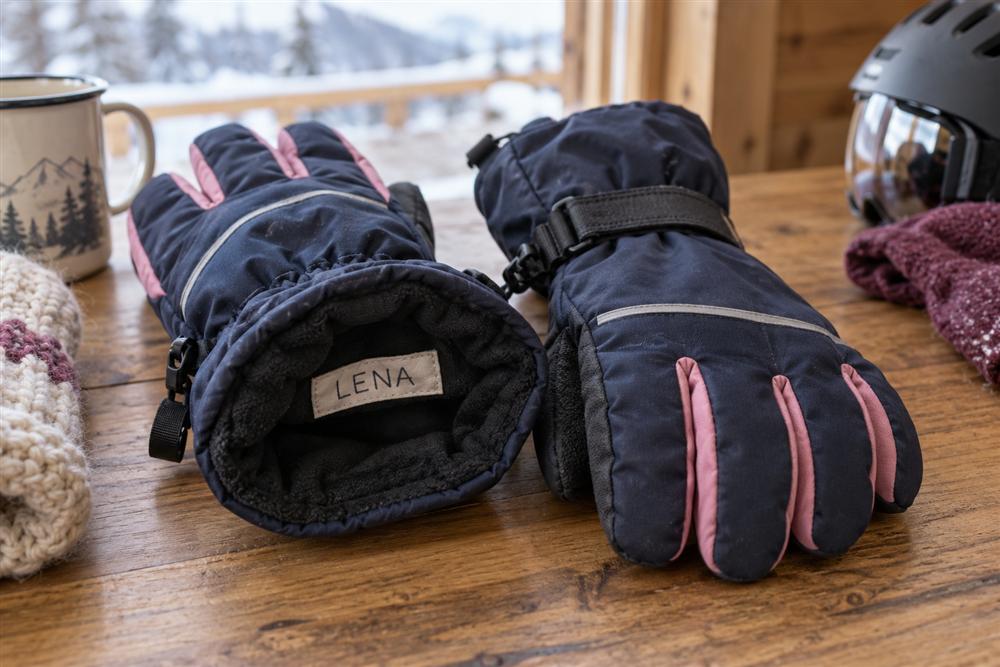
Recognisable labels make gloves and spare clothing easier to identify. Mark items in a way that preserves their material and function.
Confirm whether meals and supervision are included. Arrange handovers, clothing and journeys around the actual lunch break.
Separate wet equipment from dry clothing and confirm approved drying spaces. A simple system prevents lengthy searches the next morning.
Shared winter days do not require identical activities. Discuss preferences, journeys and voluntary childcare with grandparents before travelling.
A snow-play day needs a suitable place, dry spare clothing and an easy return journey. Follow the children’s interests and how the day develops.
Ask the operator about open routes, equipment and transport. Plan sledging as a separate outing with a clear way to return.
Different lesson times require separate handovers and realistic journeys. Assign responsibility for each child explicitly rather than relying on spontaneous help.
A collection plan names the adult, time and actual handover location. Confirm changes through the ski school’s designated contact.
Search in a sensible sequence using a precise description. One missing glove should not turn the whole family’s day into an uncoordinated search.
Separate personal belongings, rental equipment and damp clothing on the return packing list. Work through locations and responsibilities rather than one large luggage pile.
A brief shared review helps with the next trip. Ask about concrete moments and distinguish children’s preferences from organisational problems.
Start drying ski boots when you return. A suitable place, the model’s instructions and a check before morning use matter more than applying as much heat as possible.
Between snowboard days, boots need a dedicated place to air. Organise shells, permitted removable components and the bag so a complete pair is ready in the morning.
Firm wiping is not a good immediate response to damp goggles. Separate drying, permitted cleaning and protective storage, following the instructions for the particular model.
Wet gloves need space and care suited to their construction. Check removable liners and follow the manufacturer’s drying instructions before putting the pair back in its bag.
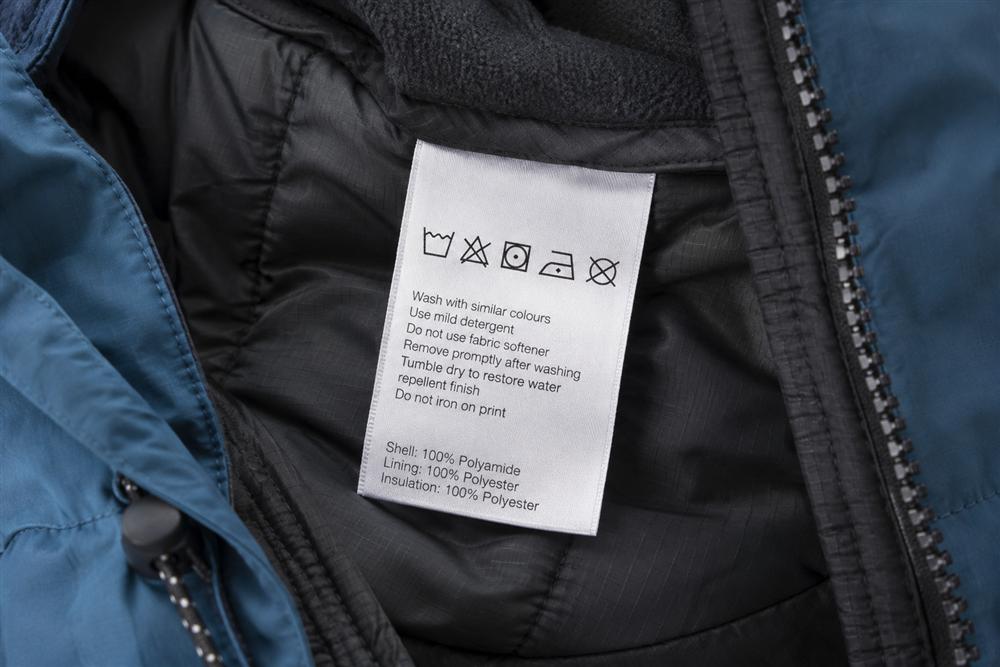
A ski jacket and trousers do not necessarily need one standard wash. Read each label, identify the model and plan cleaning and drying as a connected process.
Check a stored ski jacket early enough for cleaning or repairs. Review pockets, closures, fabric and care instructions, then try it with the layers you intend to wear.
After the journey home, a ski bag is initially transport packaging. Unpack the skis, check their condition and complete drying and necessary servicing before longer storage.
Before storage, make an organised assessment. Separate visible concerns, necessary professional work and the eventual storage place so unresolved questions do not disappear until next winter.
Helmet care depends on the instructions for the specific model. Organise cleaning, permitted removable parts and storage so that improvised treatment is unnecessary.
An organised return begins before the last run. Check the items, agreed location and deadline, and openly discuss any questions about condition with the rental provider.
A small inventory shows what you own and what needs resolving before the next trip. Record condition, ownership and storage location as distinct pieces of information.