The train to the nearest station is only one part of the trip. Your ski bag, boots and ordinary luggage must also get from home to the platform and onwards to your accommodation. Plan the complete chain first. The fastest suggested journey may be less practical with several bulky bags than a slightly longer connection with straightforward changes.
Test the luggage before booking
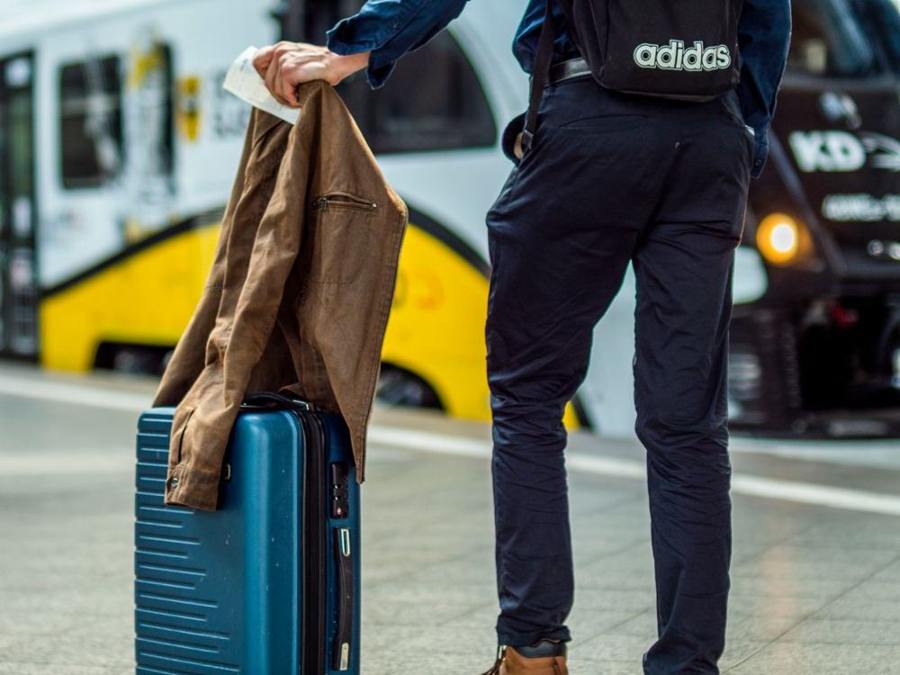
Trial pack the intended combination and lift each piece. Check what you can move independently and which hand remains free for doors or finding your way. An additional loose bag becomes a repeated problem at every change. Reduce unnecessary separate items without attaching them untidily to the outside of other luggage.
Confirm baggage conditions with every railway company involved, especially for international journeys. One provider's rule does not automatically cover the whole trip. Deutsche Bahn, for example, states that aisles, doors and safety equipment must remain clear. Follow train staff instructions and use the designated storage arrangements.
Treat connections as real journeys
For every change, check the arrival station, departure station and intended connection time. Similar place names do not always mean the same station. If a longer walk or local transport is involved, explicitly include it. Use the operator's current station information when you need lifts or particular access routes.
Choose connections allowing enough time for your actual luggage and group. A connection barely achievable without bags is not a useful benchmark. Also check whether a section requires reservations and which booking belongs to which train. Keep carriage and seat details accessible where available.
Within a group, allocate each person's luggage clearly. Children should not suddenly be expected to carry equipment beyond their capabilities. Agree how to coordinate directions without blocking doors or platform routes. Sorting responsibilities calmly before travelling prevents discussion immediately before boarding.
Organise the last kilometres and documents
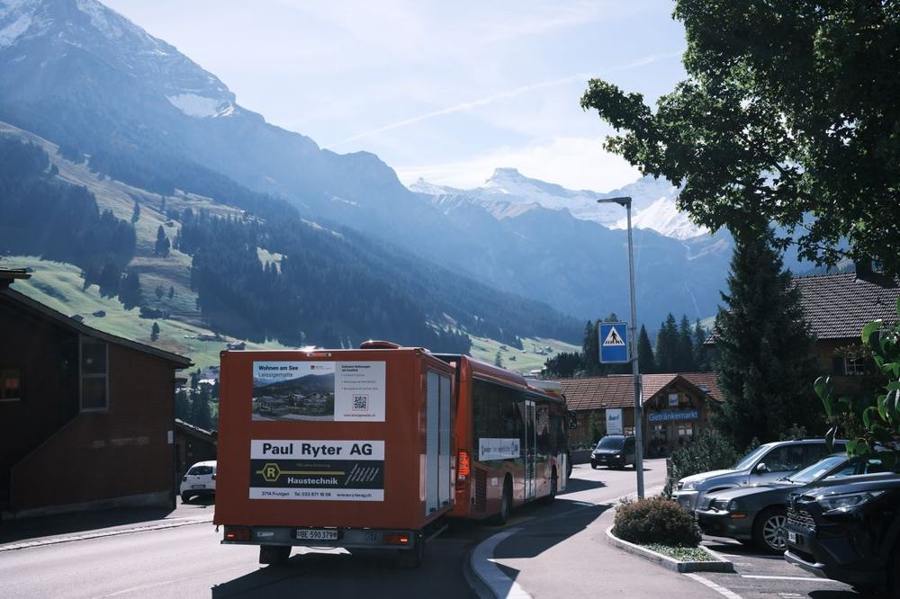
Check the onward journey from the destination station, including baggage carriage. A bus, booked transfer or walking route must suit your arrival time. Ask your accommodation about the actual entrance and access after a late arrival. Save the address and contact with your travel documents instead of searching through different messages.
Keep tickets and essential information accessible without opening your large case. Recheck the journey shortly before departure and follow current operator information. If plans change, informing the accommodation about a different arrival time helps. Have a contact method that does not depend on a single app.
Clear rail planning combines manageable luggage, suitable connections and confirmed onward travel. Check these points together before choosing a journey. On the day, defined responsibilities and accessible documents make the process easier. The baggage conditions and instructions of the transport company you actually use remain the relevant guidance.