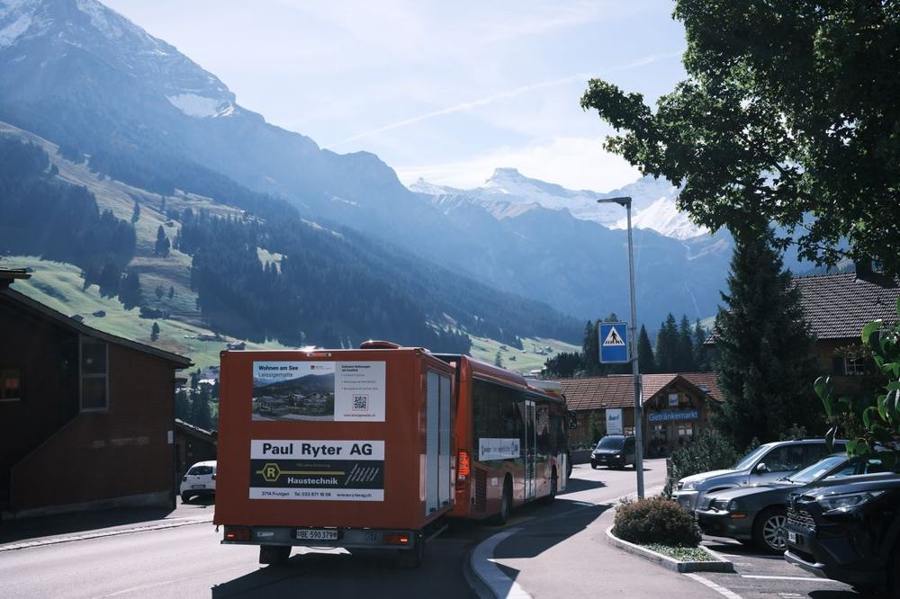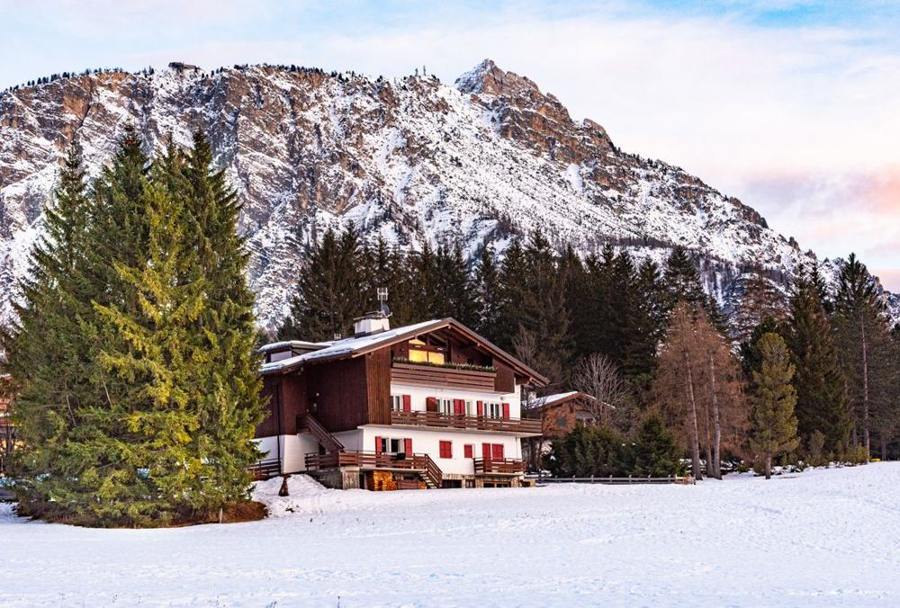
Accommodation can be close to a cable car yet inconvenient for your lessons. The meeting point might be at another entrance, or a road may separate the building from the lift. Avoid choosing solely from a distance figure. Mentally follow the planned morning from breakfast to the actual meeting point and check the location information along the way.
Identify the right starting point
First confirm which valley station or practice area you need. The nearest lift may not suit your course, ability or daily plan. For booked lessons, ask for the exact meeting point address. Compare that with the accommodation rather than simply using the general ski area name.
Check the return route too. If you must return equipment to a rental shop or reach an agreed meeting point, that extra section matters. Accommodation is conveniently located when the frequent journeys work together. The view from the balcony does not answer that question.
Examine the route door to door
Look at the journey from the actual building entrance. Ask about steps, access roads, crossings and the ski room's location. A mapping service can provide an overview, but cannot replace information about local winter routes. If details are unclear, ask the accommodation to describe the usual route to your chosen station.
Distinguish an ordinary footpath from an advertised ski access route. The latter only matters if it is open and appropriate for your use. Ask how you reach the accommodation when that route is unavailable. Avoid relying on a compulsory section whose difficulty you cannot assess.
Consider the complete equipment load. A short walk without luggage feels different from the same section with boots, skis and a child beside you. If transport or a depot is meant to solve that problem, check its actual location, access and conditions. An offer becomes useful only when it fits your routine.
Compare mornings and evenings
For two possible properties, write down the same sequence: collect equipment, leave the building, follow the route, put equipment on and reach the meeting point. This exposes differences hidden by a simple distance figure. Allow ordinary time for dressing and organising instead of reducing every stage to its theoretical minimum.
Include shopping, meals and returning in the evening. A location directly beside a lift may be less convenient for other journeys. Weigh routes used daily against those used once. Before booking, ask about features important to your group, such as access without steps or suitable equipment storage.
A suitable location emerges from the complete daily routine. A confirmed route to the correct starting point says more than a general claim of proximity to lifts. Compare accommodation using the same journey and resolve uncertain sections before booking. The location then becomes a practical choice that works with equipment and the return trip too.