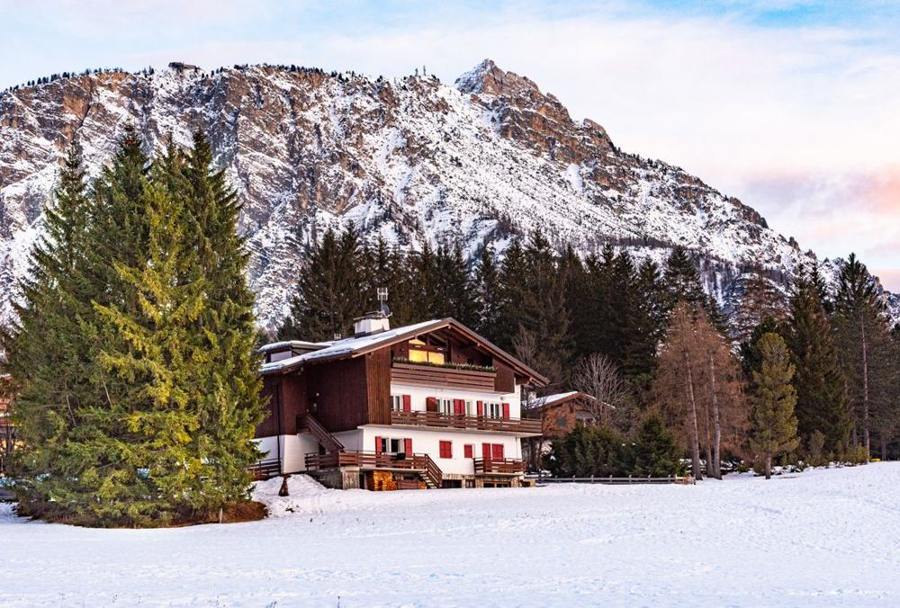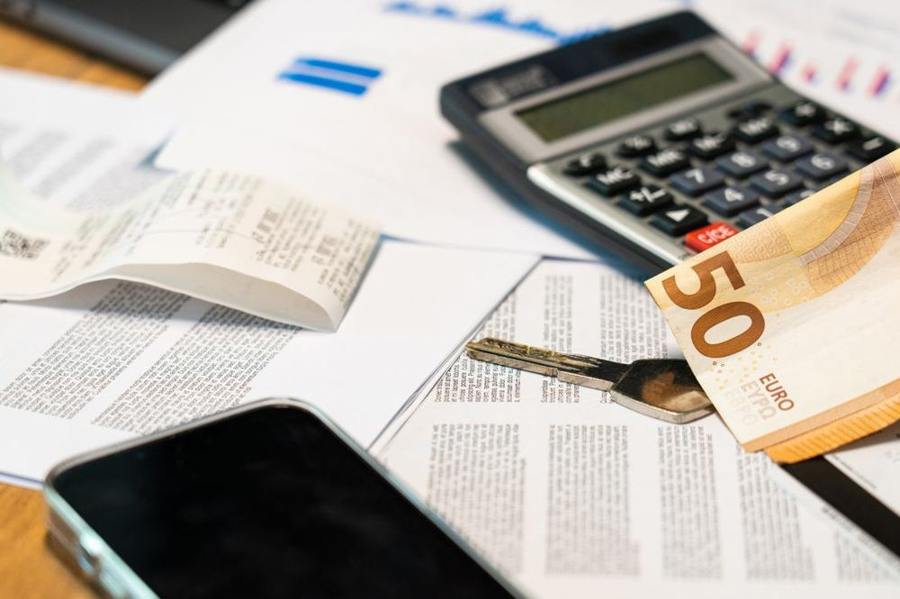
Accommodation is only one part of the trip's cost. Lift access, equipment, lessons, journeys and food may be paid for at different times. Clear planning brings those amounts together without immediately dividing them by an arbitrary number of days. Start with the actual trip and distinguish days away from the days on which you genuinely intend to ski.
Collect fixed costs first
Put travel, accommodation and confirmed bookings into one list. Use complete offers with their stated additional charges. Check whether linen, final cleaning or other services are included instead of treating a highlighted starting price as the total. Keep unclear items visibly open until you receive an answer.
Record payment deadlines and each booking's conditions alongside the amounts. These matter for timing independently of the total cost. If several people travel together, distinguish shared amounts from personal spending. Otherwise, a large combined figure reveals little about what each person should actually contribute.
Work through individual ski days
Assign lift access, rental equipment and any lessons to each planned ski day. Compare the actual options available for your dates. A multi-day offer is not automatically better value if some days will not be used. Also consider whether arrival or departure days realistically leave enough time for an additional booking.
Separate confirmed arrangements from optional decisions. An extra afternoon skiing or a spontaneous lesson can appear as its own possible expense. Do not treat it as already spent, but do not leave it invisible either. This shows which changes to the schedule would actually change the budget.
Add everyday spending and local journeys
Plan shopping, meals and local travel around your accommodation. An apartment with a usable kitchen produces a different routine from a room without cooking facilities. Check opening hours and accessibility before relying entirely on self catering. For the budget, use understandable assumptions and clearly identify them as estimates.
Add parking, local transport, luggage storage and other specifically needed services unless they are already included. Avoid generic figures taken from someone else's travel account. Ask the relevant providers and record when the information was obtained. Keep your own allowance for undecided spending separate from confirmed costs.
Distinguish two daily figures
If you want a daily figure, divide the total once by the days away and separately by the planned ski days. Label both results clearly. They answer different questions and are not price promises. A shorter trip does not reduce every fixed cost proportionally, so recalculate such alternatives using the actual conditions.
A realistic budget is a traceable list of confirmed amounts, labelled estimates and unanswered questions. The aim is a trip whose costs and arrangements you understand, rather than the lowest possible daily figure. Update it when bookings change and discuss shared spending before departure, while decisions can still be considered calmly.