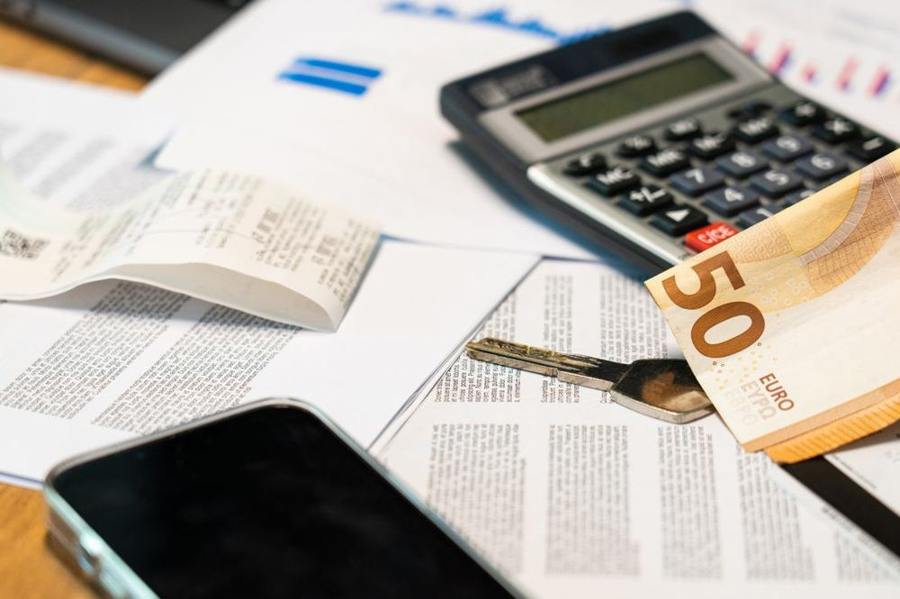
The accommodation price is only one part of a winter holiday’s cost. Different ski days, rental equipment, transport and meals add other amounts during the stay. A brief review after returning is worthwhile while receipts and agreements are still easy to find. The aim is an understandable conclusion and a better basis for future planning, not an elaborate accounting project.
Collect confirmed spending first
Gather the accommodation, travel, lessons, lift tickets, rentals and other items actually paid for. Use confirmations and receipts rather than filling gaps from memory. Mark unclear entries for checking so an estimate does not later look like a confirmed expense.
Separate the total invoice from your own share. If you paid for shared accommodation, other travellers’ contributions are not additional holiday spending. Simple columns for the total, your share and payments already received make these differences visible without requiring complicated software.
Distinguish deposits and refunds
A refundable security deposit is initially money tied up rather than automatically a final expense. Mark whether it has been returned or remains outstanding. Check other promised refunds against the relevant confirmation too, without treating an expected payment as money already received.
Assign several payments for the same service to one booking. An advance payment and the remaining balance together form the accommodation cost; a later refund reduces it. This avoids accidentally counting the same part of the holiday twice in the overview.
Close shared expenses clearly
Compare outstanding group amounts with the contributions originally agreed. Give companions a readable summary showing the amount, purpose and payments already made. A single unexplained total is more likely to generate questions than a short, understandable breakdown.
Private spending does not automatically belong in the group settlement. Personal purchases, different lessons and additional ski days remain separate unless you agreed otherwise. If an item is unclear, ask about the original arrangement rather than inventing a new division rule after the holiday.
Turn the figures into a future decision
Consider which expenses mattered to the holiday and which arose from inconvenient arrangements. A daily extra transfer might change your view of accommodation that initially looked inexpensive. A well-planned lesson programme may explain a larger item that the group deliberately considered worthwhile.
Keep two or three specific observations for the next trip. These could include the number of ski days actually used, the need for rented equipment or what a rest day cost. Your confirmed figures describe your own journey; they are not a general price promise for another destination or season.
A short cost review helps when expenses, personal shares and outstanding refunds remain distinct. Settle group amounts transparently and retain the few observations worth using again. The paperwork from the last trip can then become a practical aid for planning the next one.