After a first ski day, your impressions may be mixed: a satisfying moment, unfamiliar boots, plenty of new vocabulary and perhaps a rushed journey to the lesson. A useful review considers these things separately. It does not need to become a performance assessment or a lengthy meeting. Ten quiet minutes after returning the equipment can be enough to decide what should be organised differently tomorrow.
Recall situations you can describe
Start with two or three specific moments. When did an explanation make sense? Which task needed more feedback? At what point did the routine become confusing? Describe what happened without sweeping conclusions such as “I cannot ski at all”. After an introductory lesson, that judgement offers little help when choosing your next booking.
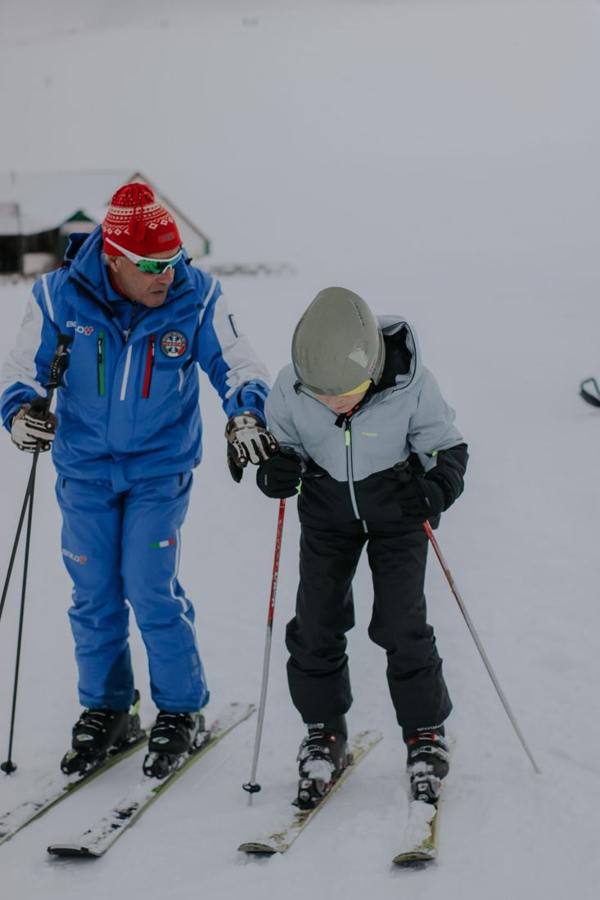
Keep the instructor’s words separate from your own impressions. Something that felt difficult might still have been a useful stage in learning. If a comment remained unclear, turn it into a question for the next lesson rather than trying to interpret it yourself that evening.
Record equipment concerns separately
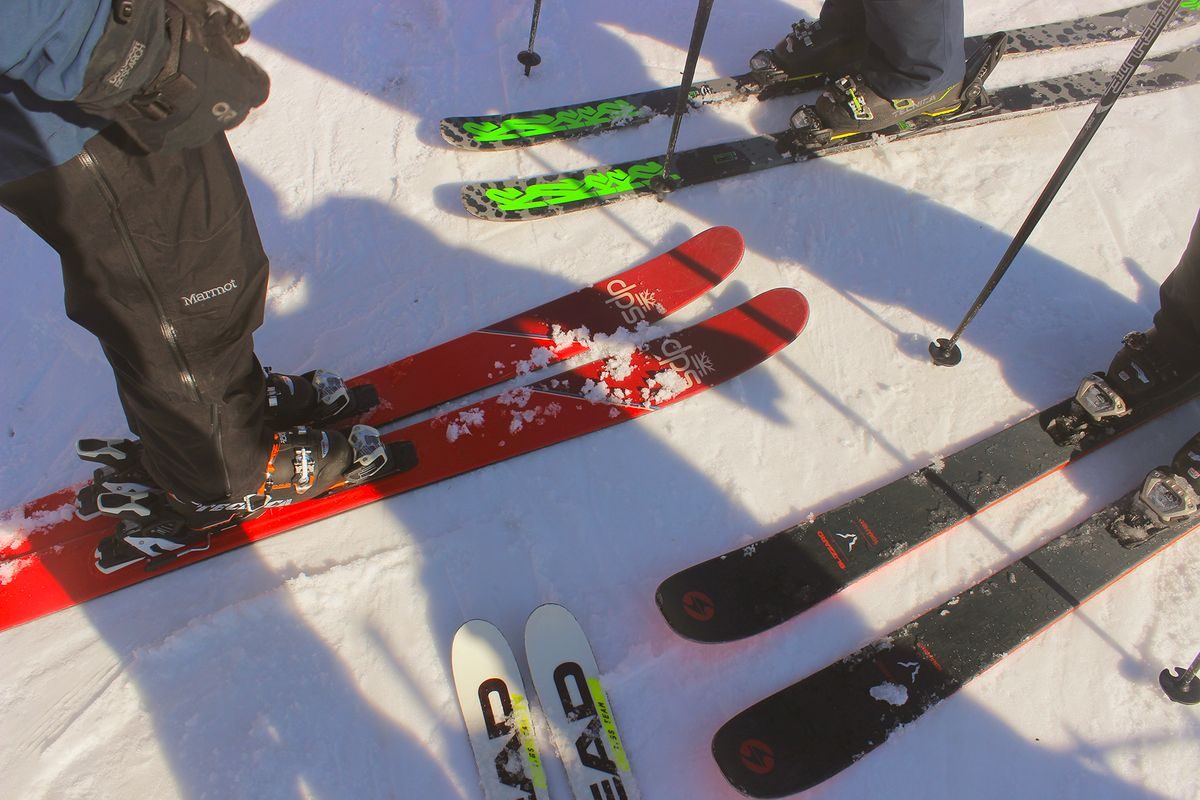
A boot pressure point, goggles that slipped or an awkwardly positioned lift pass belong on a separate short list. Note where and when the problem occurred. “The right boot pressed against my inner ankle while waiting” gives rental staff more useful information than “Everything was uncomfortable”.
Discuss changes with the relevant staff. An evening note is not a set of instructions for altering bindings or boots yourself. Also check whether another fitting means allowing extra time in the morning.
Look honestly at the organisation
Work out how long breakfast, equipment collection and the journey to the meeting point actually took. If your break location was too far from the lesson area, changing it may be easier than replacing the whole day’s plan. Carrying fewer loose items can also make the next departure simpler.
When travelling as a couple, let each person describe their own experience first. Avoid comparing the number of runs completed. Discuss which shared parts of the day worked well and where separate lessons or breaks might suit you better.
Choose a small number of changes
Select no more than two practical changes and one question for the ski school. For example, have the boots checked earlier, arrange lunch closer to the practice area and ask about the appropriate follow-up lesson. An overloaded improvement plan can create another pressured morning.
Only then decide how much to schedule for the following day. A shorter lesson, a day off or returning later may fit your holiday. The first day gives you information about what you need; it does not commit you to a particular pace.
Keep the review as a short note describing specific situations and the changes you agreed. Read it before the next lesson. This turns a vague judgement about the day into useful preparation without requiring a detailed analysis of every successful or difficult moment.