Start skiing
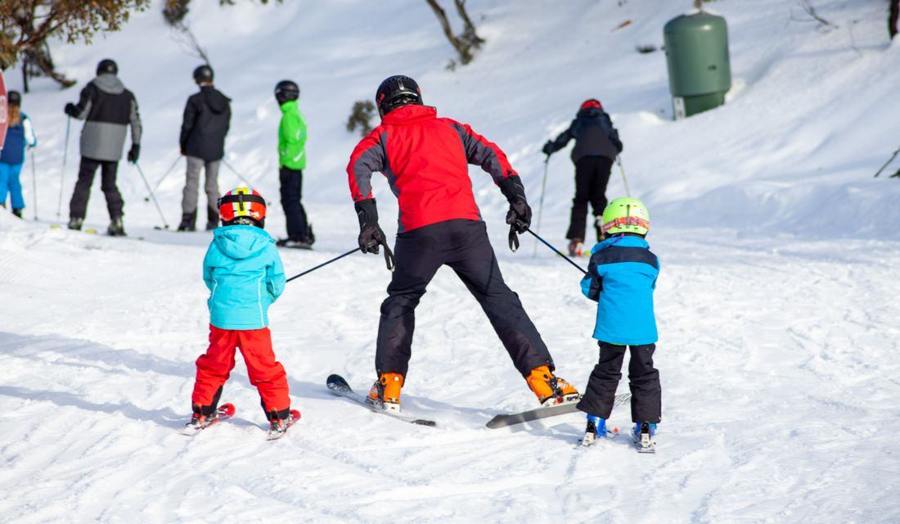
Prepare for a first ski day without rushing
Confirm the meeting point, allow proper time for rental equipment and agree a few simple arrangements. Plan the morning’s journeys before planning the descents.
Begin with a clear plan and room to learn.
Confirm the meeting point, allow proper time for rental equipment and agree a few simple arrangements. Plan the morning’s journeys before planning the descents.
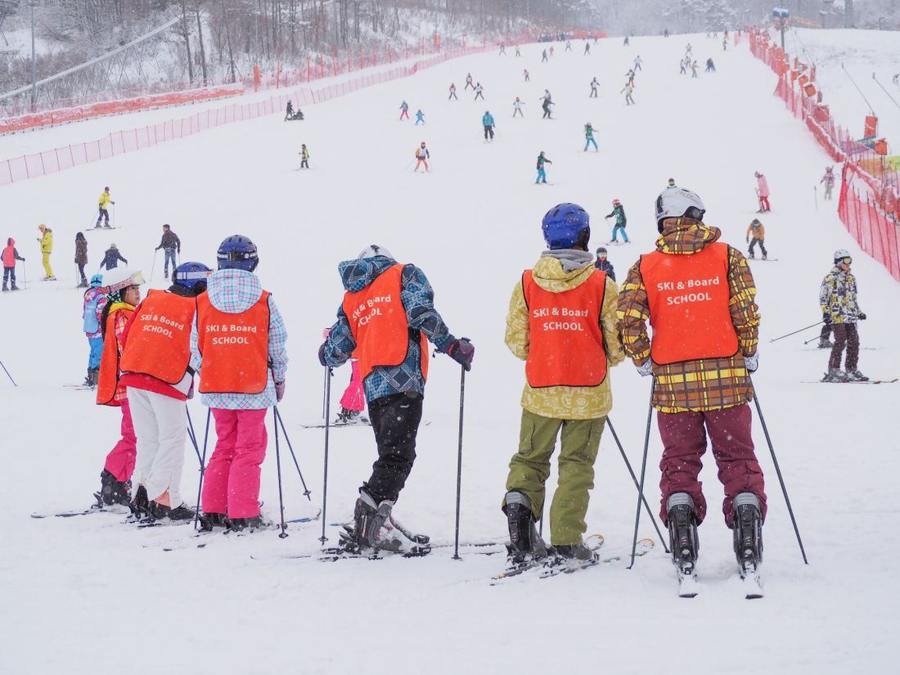
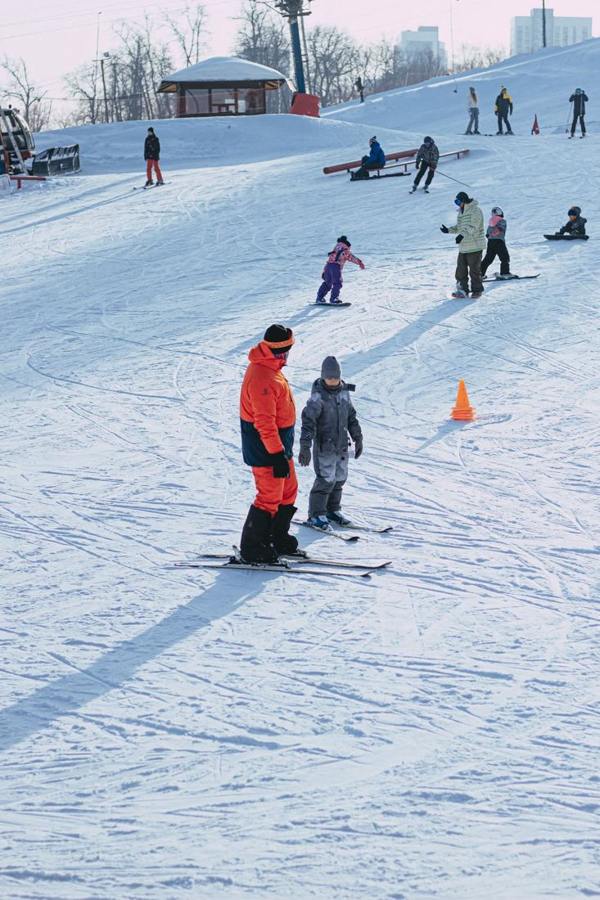
Compare lesson level, language and meeting location before comparing prices. Choose an offer that fits your actual starting point and daily arrangements.
Compare teaching formats against your questions, schedule and total budget. A useful choice requires more than finding the lowest price per advertised hour.
Distinguish the course office, rental shop and lesson meeting place. Plan the equipment journey and clarify any mountain transport or specific access beforehand.
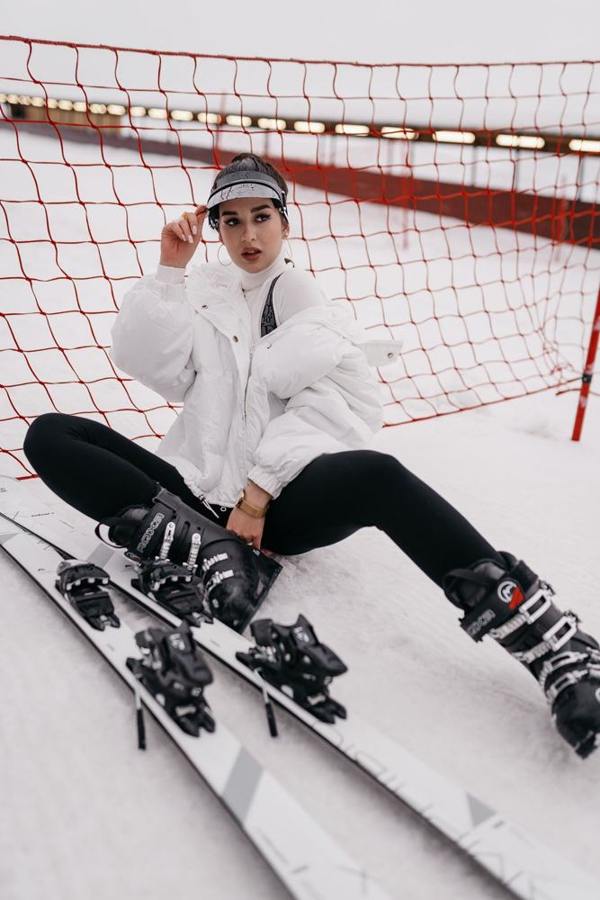
Allow fitting time, short equipment journeys and a place for ordinary shoes. Clarify fit and operation with the rental staff before planning the lesson start.
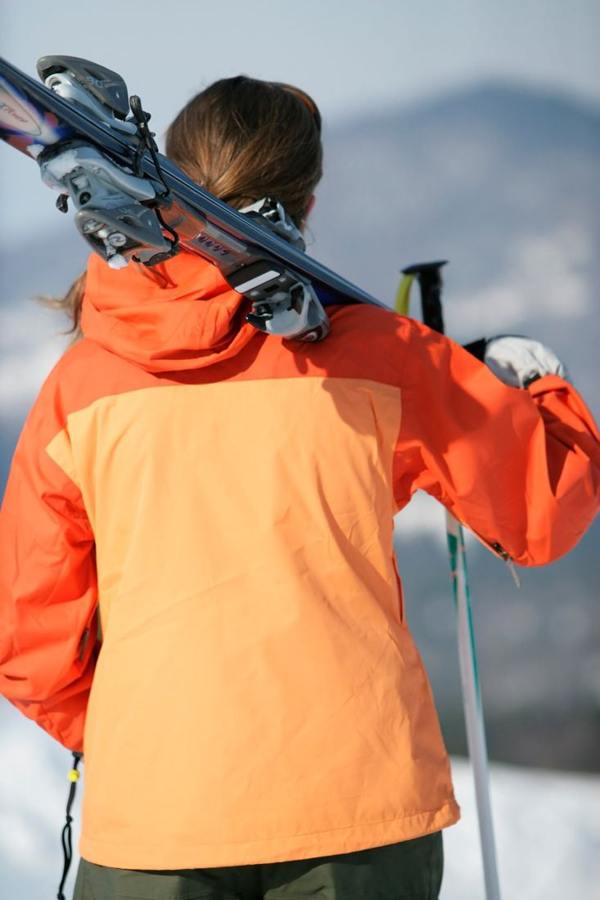
Choose a manageable route, organise equipment before leaving and ask for a suitable carrying method. Fewer loose items make finding the meeting point easier.
Check instruction, access and how the area is actually used. A welcoming name does not establish that it suits your first lesson or booking.
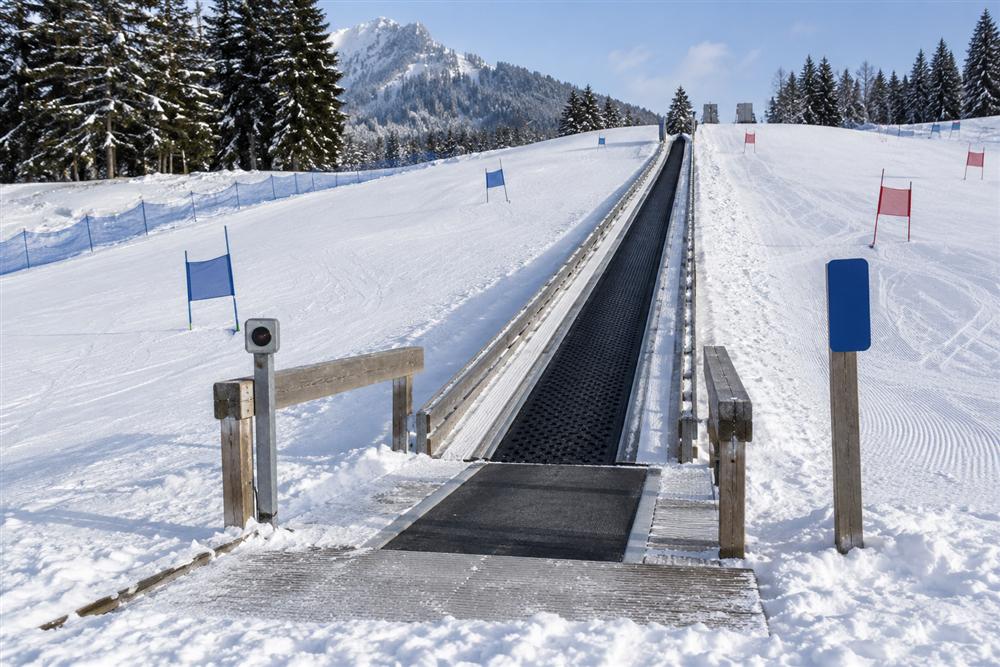
Have the local procedure explained before the first journey. Clarify access, exit and equipment handling with the instructor instead of simply copying other users.
Clarify the destination, equipment storage and return journey before boarding. A gondola trip should fit the day without unexpectedly requiring an unsuitable ski descent.
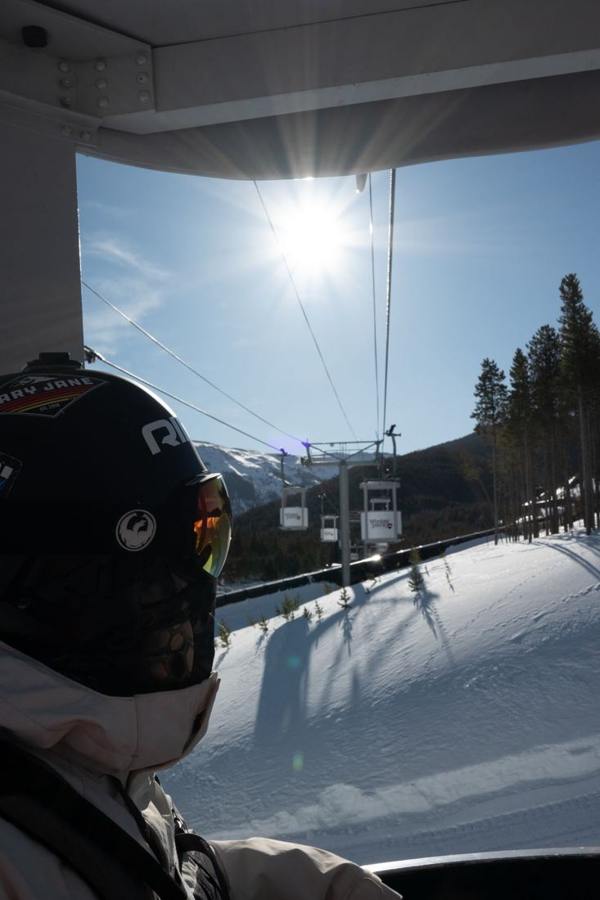
Discuss boarding, equipment and the route after leaving with local staff. Your first journey needs an appropriate introduction rather than an improvised group decision.
Make breaks part of the plan and connect them with the lesson and return journey. A useful day does not require the longest possible uninterrupted session.
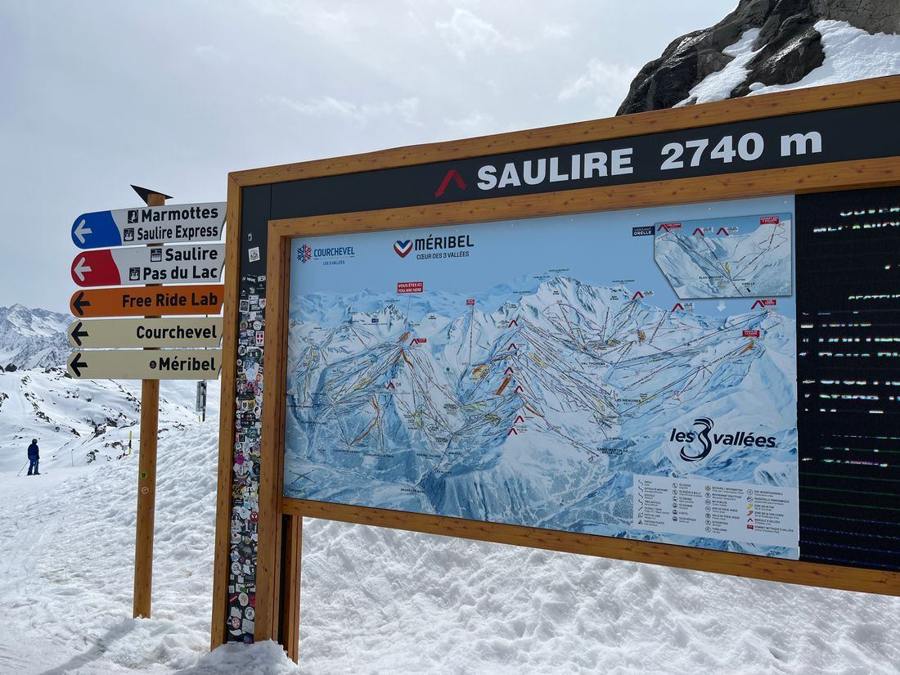
Use the specific resort’s legend and assess the complete route. A colour does not replace current conditions or an appropriate assessment of your ability.
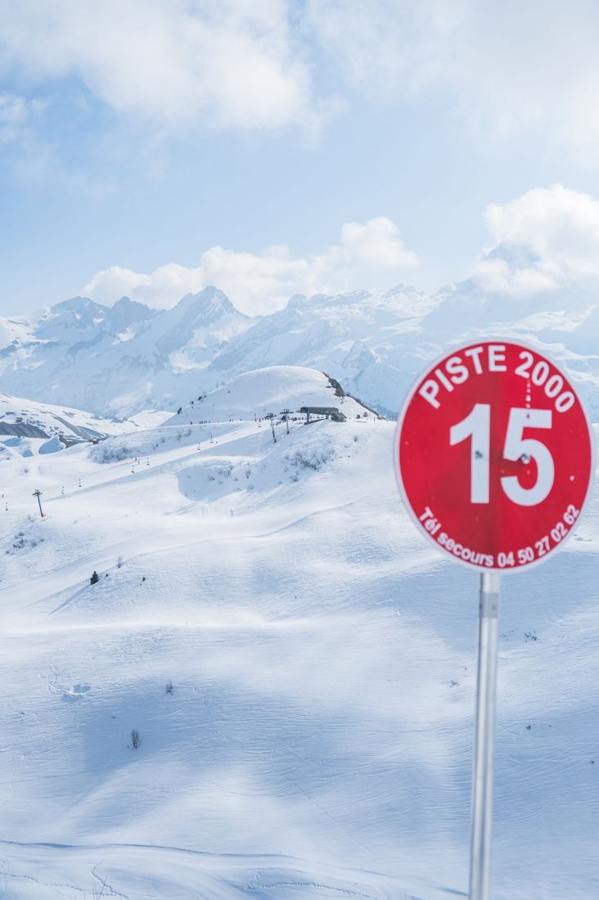
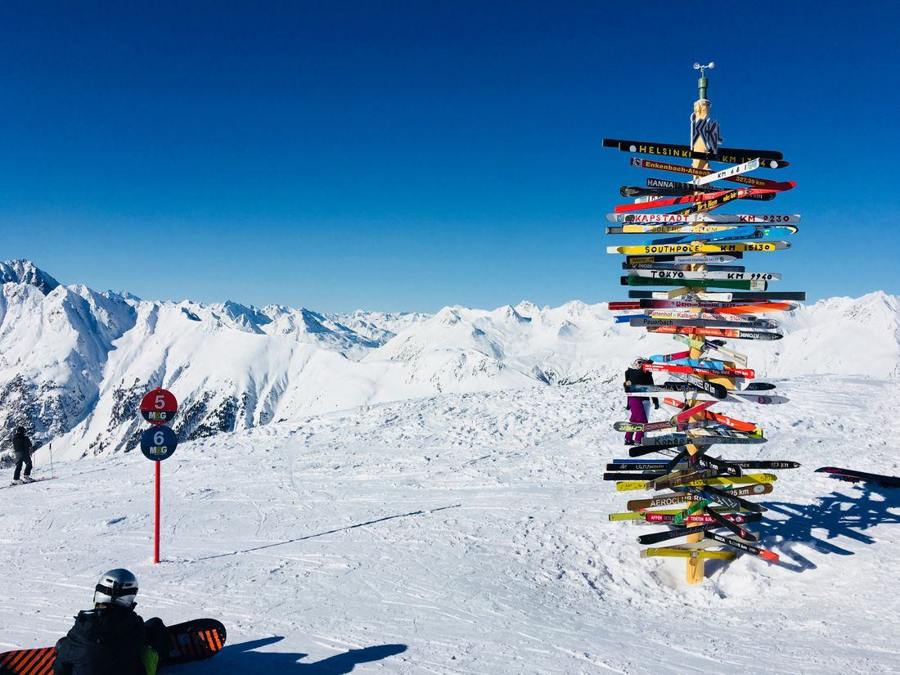
Connect numbers, names and destination signs with the official map. Clarify junctions early and treat closure notices separately from the circuit you originally planned.
Agree a definite location, time and fallback. Different plans need one clear shared arrangement rather than repeated attempts to find everyone by phone.
Check current operator information and discuss changes with the instructor. An adapted day may be shorter or contain different plans from the original schedule.
Plan the return as a complete route and set an earlier personal departure. One closing time says little about a journey using several installations.
Describe previous experience separately from present uncertainties. A return lesson should fit your current starting point rather than relying only on runs completed years ago.
Separate shared holiday time from identical piste plans. Clear lessons, accessible meetings and honestly discussed preferences give both partners room for suitable days.
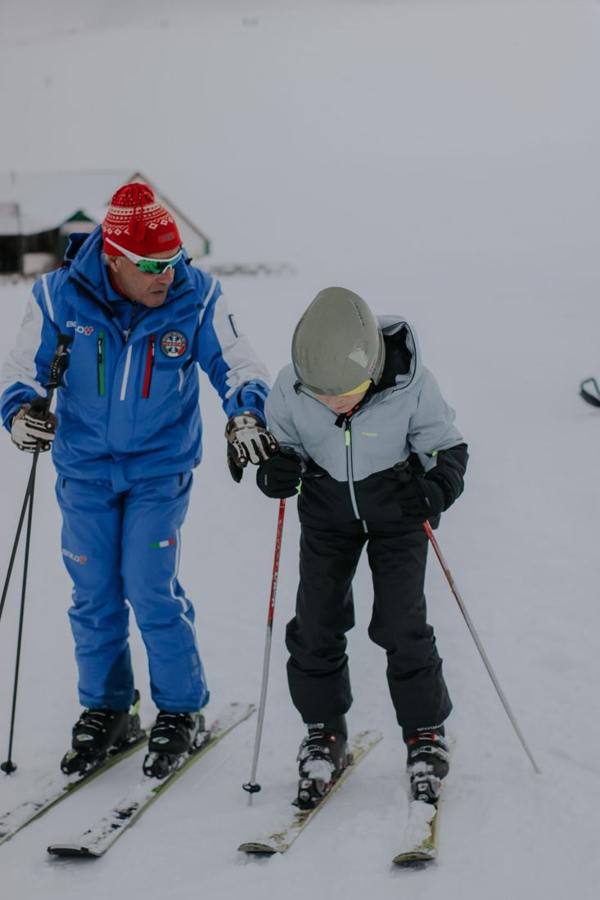
Use the end of a lesson for a few precise questions. Understandable feedback helps the next booking and daily plan more than a general verdict on progress.
Choose an accessible location and connect it with lesson finish, equipment storage and the return. A straightforward break does not require the resort’s most famous restaurant.
A brief review can make your next ski day easier to organise. Separate learning, equipment and logistics so that a tiring introduction produces useful changes.