Piste colours provide an initial indication of difficulty on a map. Choosing a run requires more information than a coloured line, however. The local system, complete route and current conditions all matter. As a beginner, ask the instructor to identify an appropriate specific run rather than choosing independently from the apparently easiest colour.
Begin with the local legend
Read the official map’s legend. Ski amadé, for example, labels easy pistes blue, intermediate pistes red and difficult pistes black. That explains its system rather than providing personal approval to use a run. Do not transfer a colour assumption unchecked from a previous holiday in another country. Also establish whether a line represents a piste or a differently designated route.
Consider more than the opening section
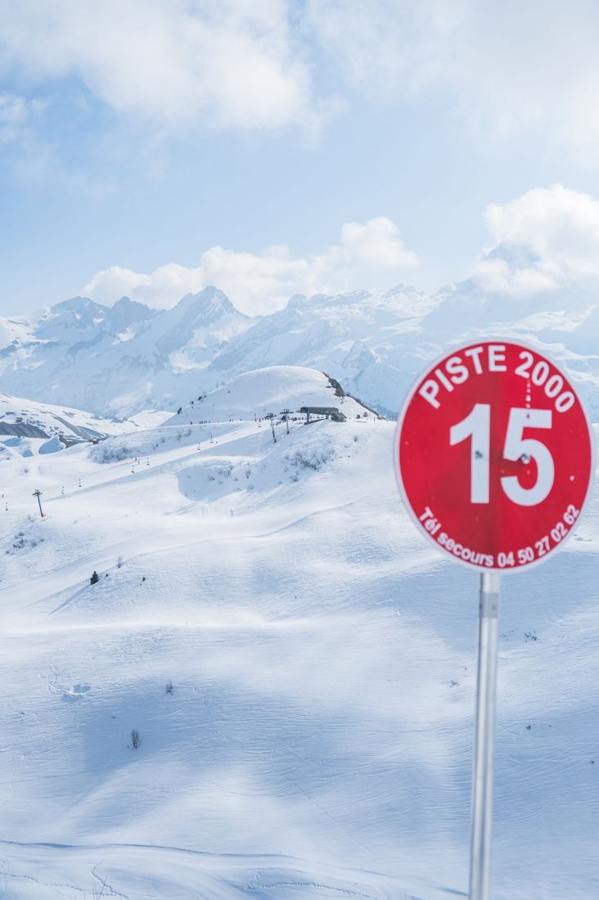
Follow the run to its end and check branches, connections and the return journey. An easy initial section may lead to another run. Ask when a transition is unclear on the map. Record the definite number or name; saying we will take blue is far too vague in a large area.
Check opening status separately
The printed colour does not establish whether a run is open today. Use the operator’s current information and observe signs locally. The FIS rules require respect for signs and markings. A closed connection does not become available because your saved map includes it in a circuit. Replan the complete route when conditions or openings change.
Discuss conditions alongside your learning stage
Tell the instructor which runs you have used with guidance and where you feel uncertain. Ask for an appropriate specific route under today’s conditions. The FIS rules include visibility, snow and traffic in adapting skiing behaviour; a colour does not contain that current assessment. One successful descent therefore does not establish that every equally coloured piste is suitable for you independently.
Avoid a decision made under group pressure
At an appropriate place before the branch, establish whether everyone wants and is able to use the proposed connection. Experienced companions should not dismiss questions by saying the colour is easy. Another plan or separate parts of the day may fit better. When the route remains uncertain, obtain local information before committing to a connection that is difficult to reverse.
Piste colours are useful when combined with the legend, opening status and complete route. Make the specific choice fit your current stage. An understandable route plan provides more orientation than trusting one colour name to answer every practical question about the descent.