After many years away, remembering previous ski days is not the same as having a current assessment. You may know basic terms while being unfamiliar with today’s equipment or resort routines. A lesson can organise the return. Give a precise account of what you previously did and what you now want to clarify.
Describe the break usefully
Tell the school roughly when you last skied, how regularly you used to go and which lessons you attended. Then describe current questions separately. Saying you could do everything is less useful than specific information about former courses and runs. Ask for appropriate allocation or a local assessment. Neither a complete beginner course nor an advanced group is automatically right solely because of the number of years away.
Do not assume the equipment is familiar
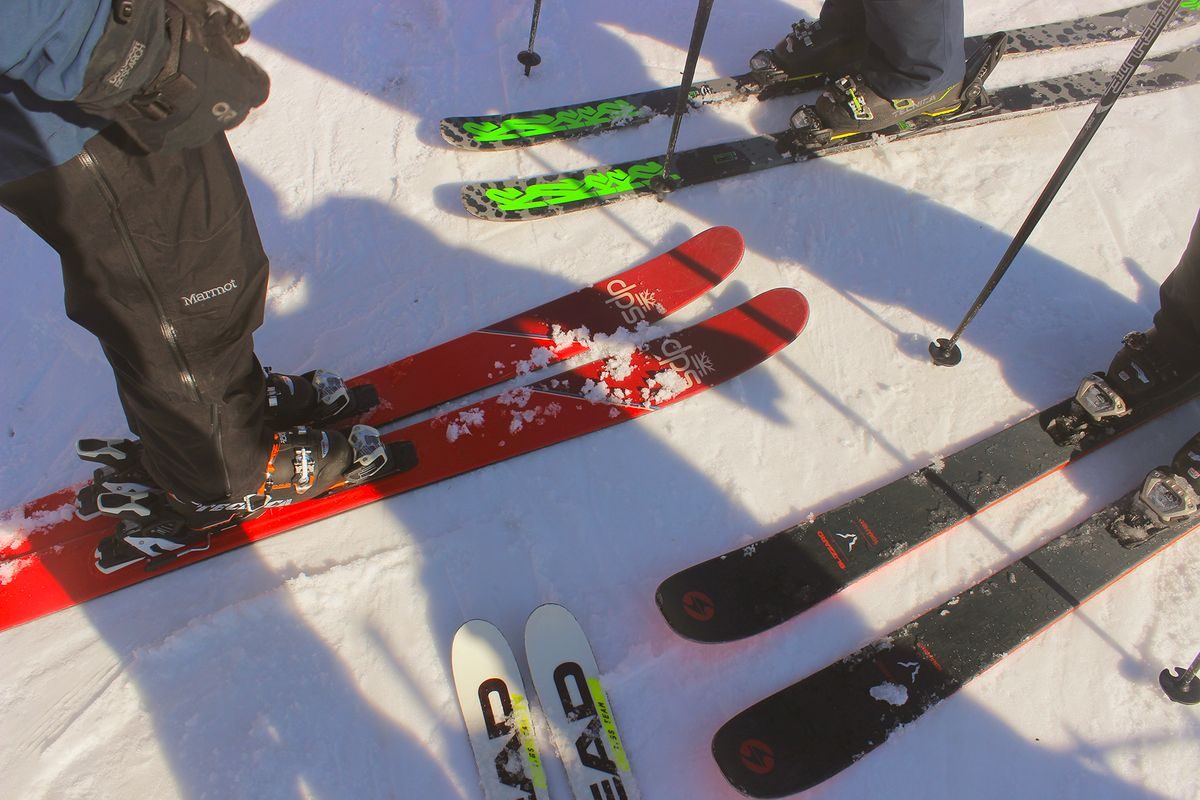
Have existing equipment assessed by an appropriate specialist or arrange rental equipment. Request an explanation of its current operation even when older boots looked similar. An old habit may not suit another model. Leave enough time for collection and fitting before instruction.
If you have health-related questions about returning, discuss them beforehand with an appropriately qualified professional. A general lesson schedule does not assess your individual situation. Give the school the practical information relevant to organising suitable instruction without expecting it to replace that assessment.
Give the first lesson a few clear aims
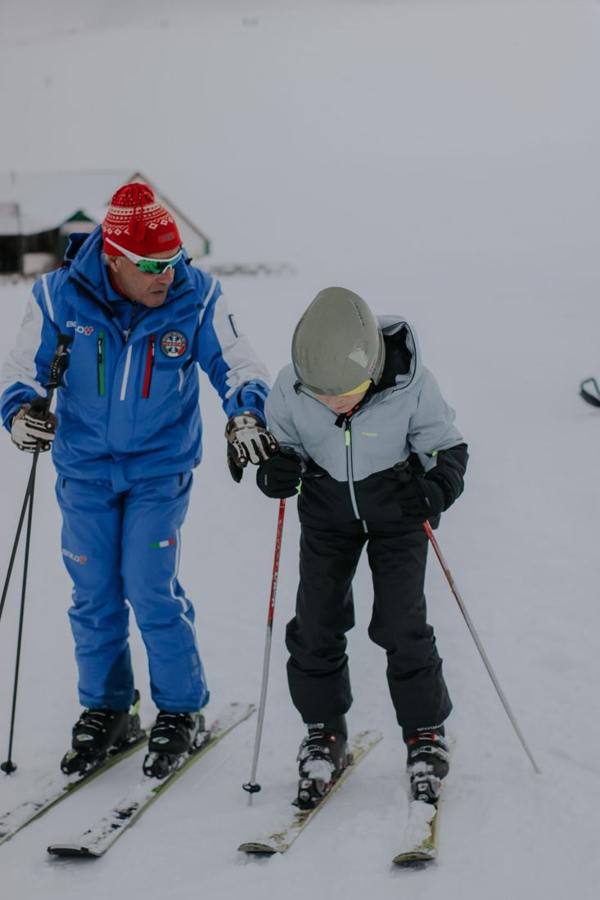
Describe a manageable goal, such as regaining an understandable overview of basic routines and identifying the next appropriate step. Do not expect to demonstrate your former holiday level within one morning. Ask how the instructor assesses your current starting point. You can arrange shared time with experienced friends after the lesson. Their preferred circuit does not have to become proof that your return has already succeeded.
Plan specifically after the lesson
Ask for clear feedback: what currently works, what should be revisited and what kind of day now makes sense? Record those points briefly. If you want further instruction, check availability and format directly rather than automatically extending the same package. Review practical arrangements too: did the meeting place work, was equipment transport awkward and does tomorrow morning need more time? Those adjustments form part of a calm return alongside the instruction itself.
After a long break, start with a current assessment rather than a demand to repeat former achievements immediately. Describe experience, questions and expectations clearly. A suitable lesson can build an understandable continuation without turning the first day into a comparison with a distant holiday.