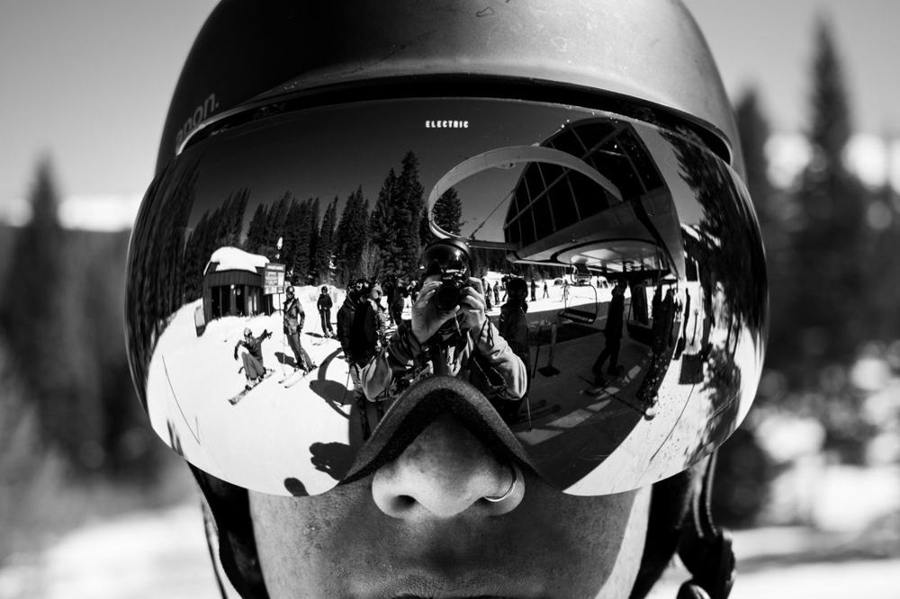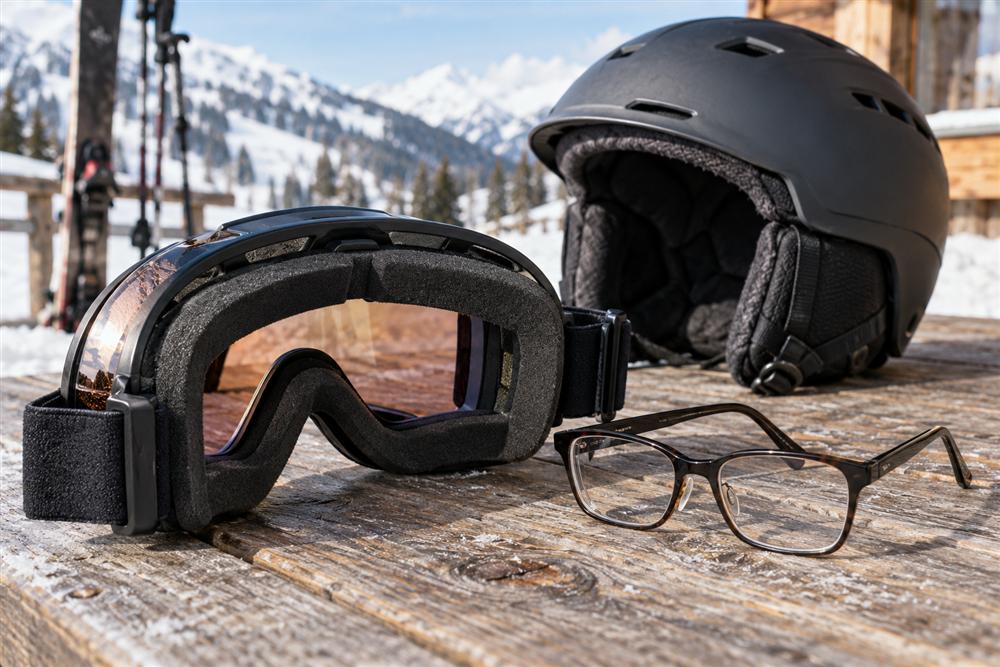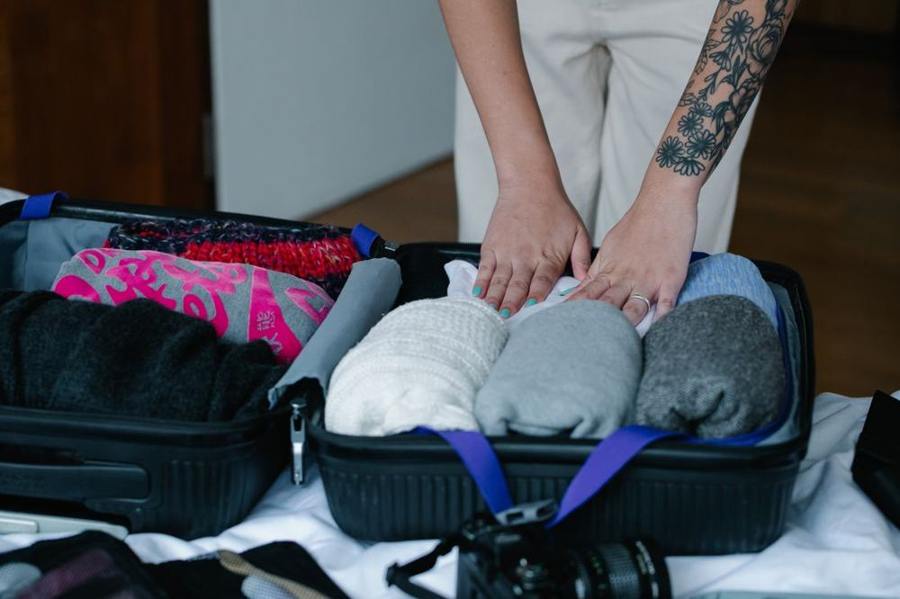
Renting skis or a snowboard locally does not automatically remove every bulky item from your luggage. Boots may be included while a helmet is not. Perhaps you use your own boots and rent only other equipment. A suitable list therefore describes your exact arrangement. Avoid copying a general equipment list before confirming the included services and personal items you still need.
Break the booking into individual items
Read the confirmation and note each included object separately. A package name does not always explain whether boots, poles or helmet are included. Ask the provider for a specific breakdown when anything is unclear. Also record the information or documents required for collection and whether you should bring any personal equipment.
Mark the items that will only be handed over locally. They need no suitcase space at home, but must be considered for the journey from the rental shop to your accommodation or lesson. Think about returning them too. Arriving with light travel luggage does not mean every later journey will be equally straightforward.
Assemble your own clothing completely
Lay out a full outfit from your existing belongings: base layers, suitable socks, trousers, jacket, gloves and any other personally needed clothing. Actually try the combination on. A rented helmet, for instance, does not remove the question of compatibility with your own goggles. Allow time at collection to resolve any uncertainty.
Add clothing for your accommodation and journeys around the village. A list focused on skis can easily overlook this. Separate daily needs from spares. You need not pack completely different outerwear for every day, but should not assume everything will dry overnight regardless of the accommodation and weather.
Record documents and timing together
Keep the collection address, confirmed period and return information in an easily found place. Save required booking documents accessibly and check that they open. When several people book together, clearly match names to equipment. This avoids searching through different confirmations during collection.
Place your arrival schedule alongside it. Opening hours, the journey to the rental shop and any lesson start must work together. A packing list cannot compensate for missing fitting time. If connections are tight, settle the appointment question with the provider before travelling rather than trying to solve it through unusually fast packing.
Finish with three simple marks
Use simple marks for packed, rented locally and still to confirm. Resolve open points before closing your luggage. Keep the list for the return journey: it helps distinguish your own belongings from rental equipment and ensures every borrowed component is returned together.
A useful rental packing list shows responsibilities as well as objects. It records what you bring yourself, what is definitely provided and which questions remain open. That distinction makes collection day easier to organise. After travelling, improve the list using the things you actually missed or found unnecessary.