Equipment
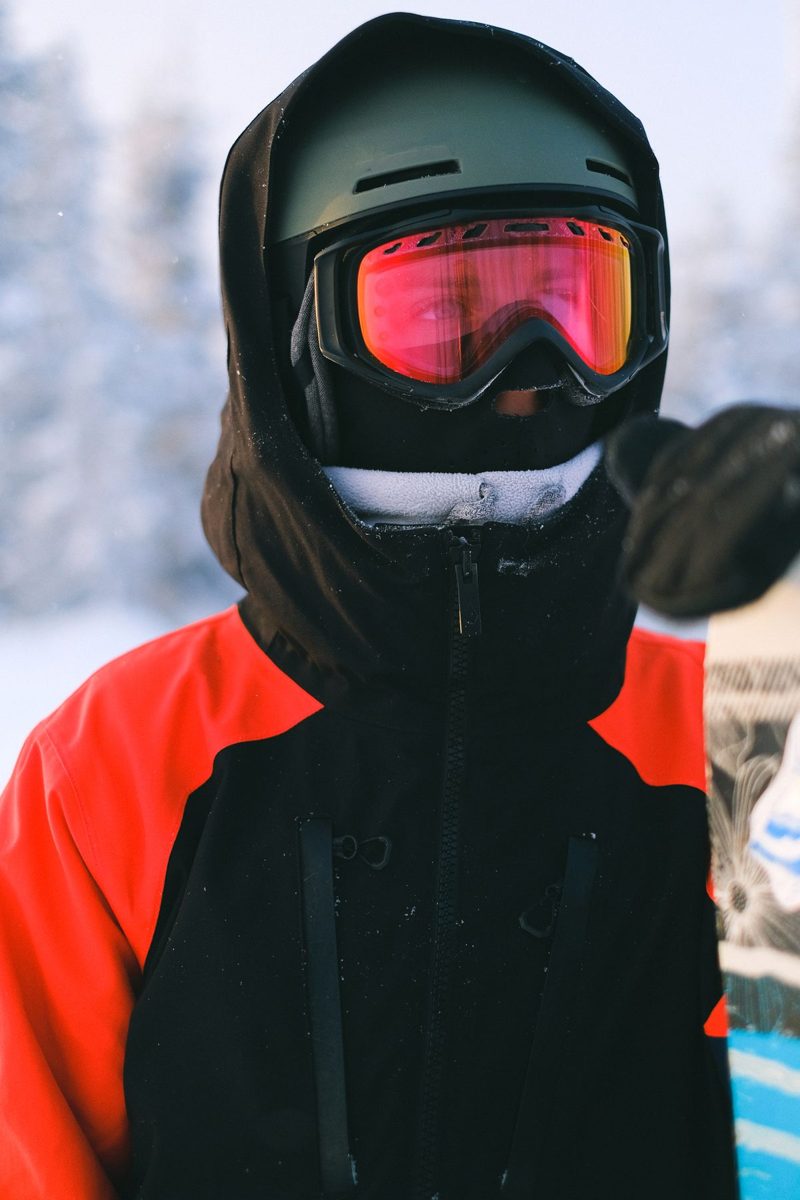
Choose ski goggles that fit your helmet
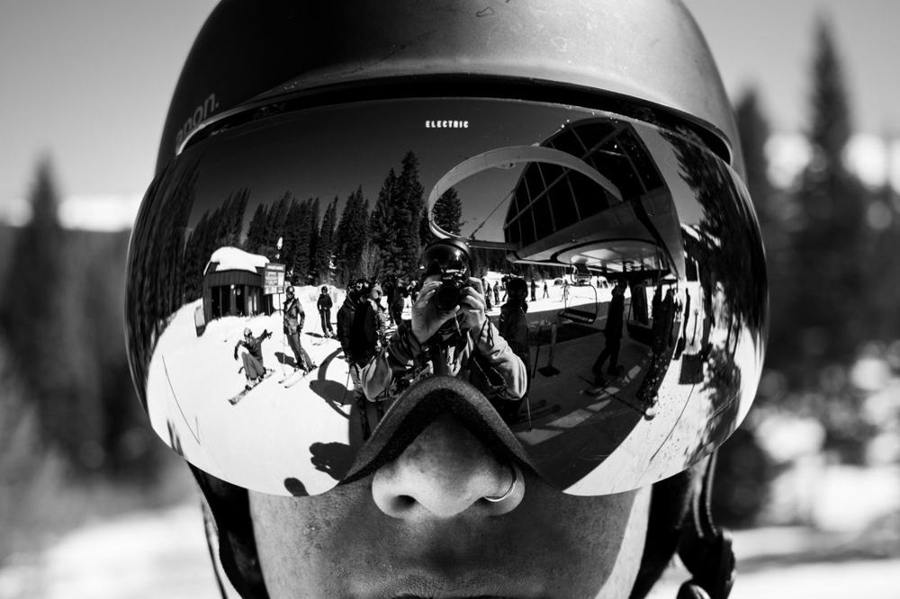
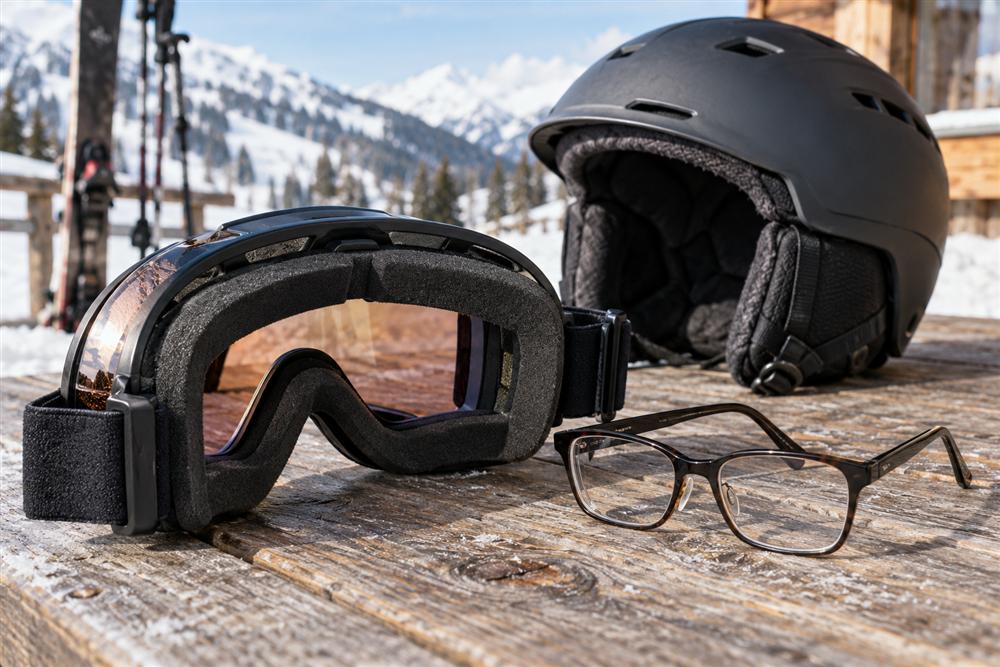
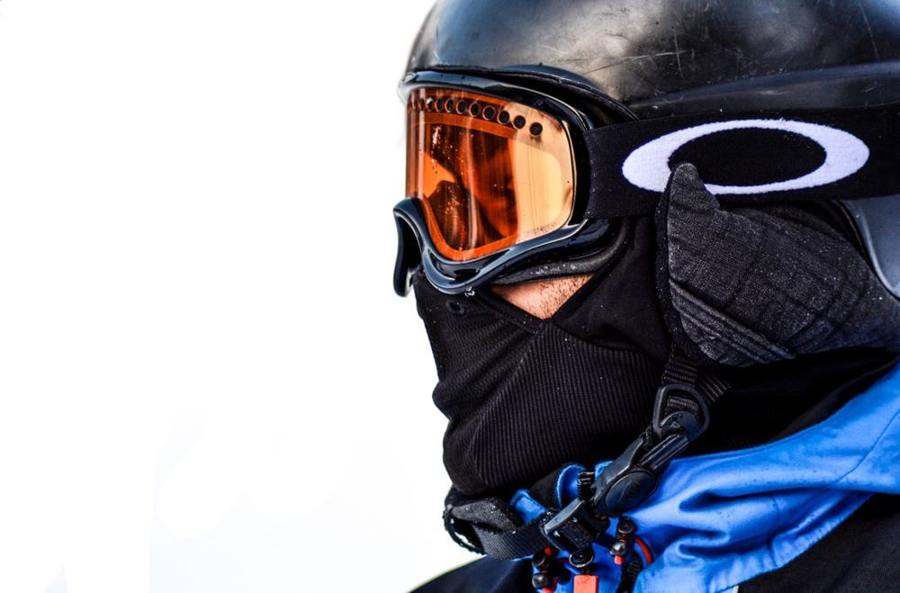
Try your helmet and goggles together, checking facial contact, their upper edge, and ordinary movement before choosing a frame shape or an especially large field of view.
Fit, layers and the small things in your bag.
Try your helmet and goggles together, checking facial contact, their upper edge, and ordinary movement before choosing a frame shape or an especially large field of view.
Compare light transmission, intended conditions, and replacement options for a particular lens instead of judging its suitability solely by the mirror finish or colour.
Try your own glasses together with goggles and helmet so frame arms, the nose bridge, and ordinary movement are all considered during the fitting.
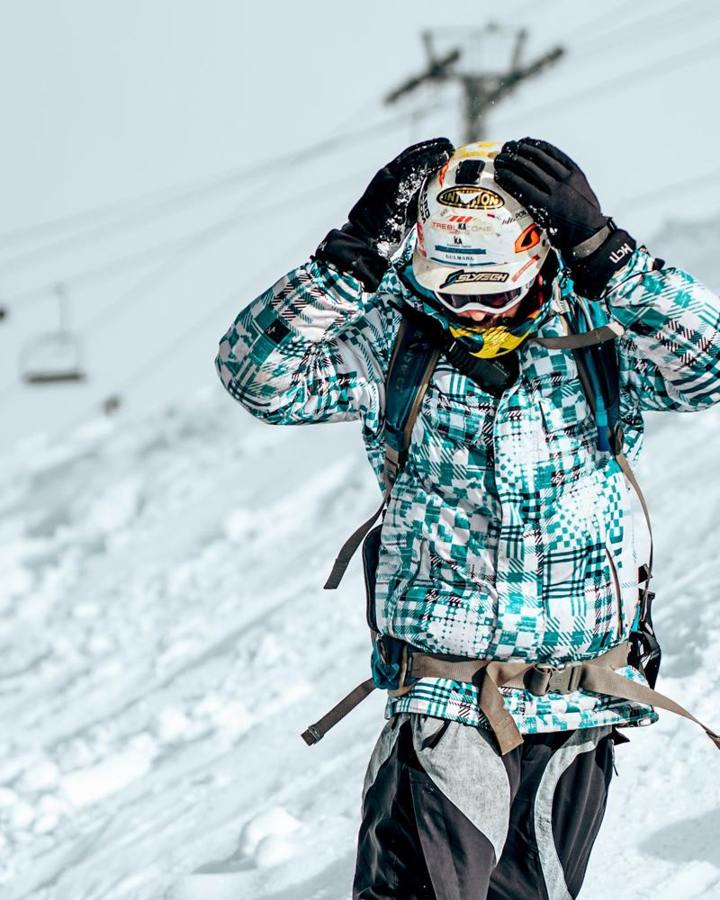
Use the size chart as a starting point, then assess fit, adjustment, and compatibility with your goggles on the particular helmet you intend to wear.
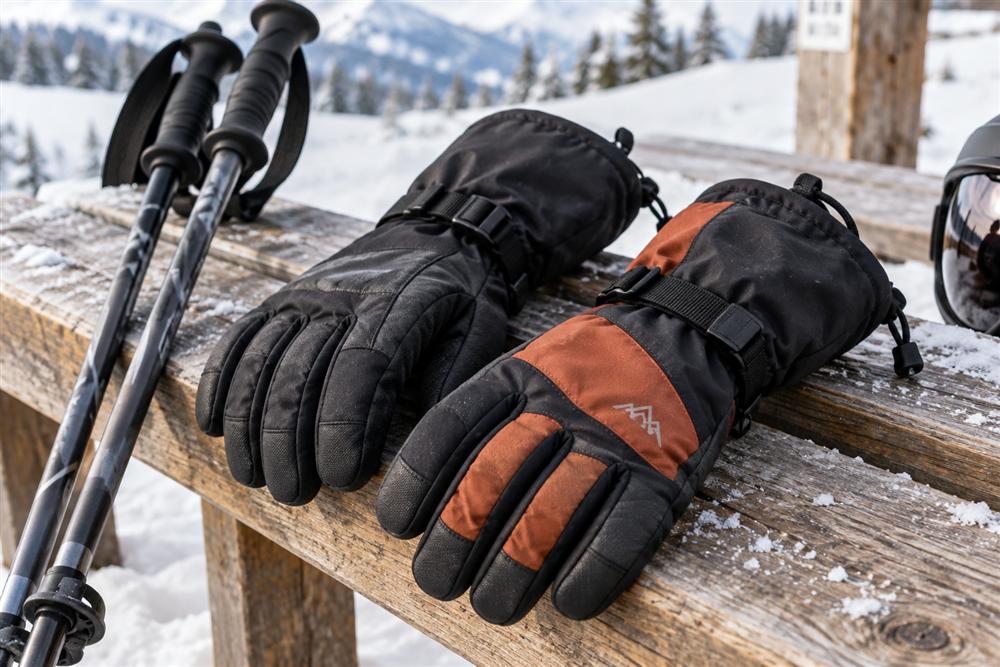
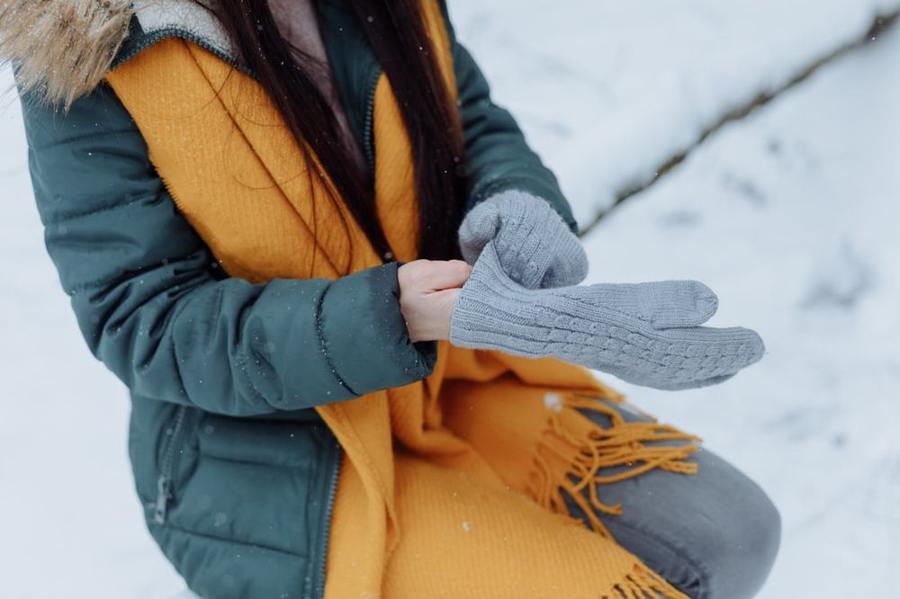
Compare gloves using your actual handling tasks and ski jacket, rather than assuming a thicker construction automatically makes them a more appropriate choice.
Assess internal space, thumb movement, and handling your equipment before choosing mittens purely by their bulk or the warmth description on the product.
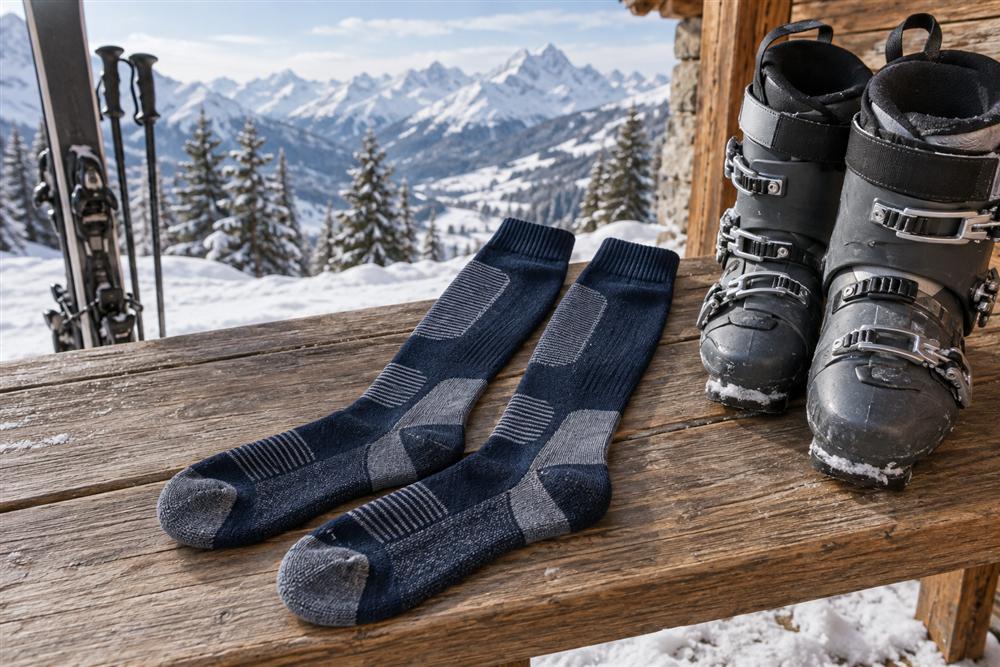
Arrange socks and clothing before closing ski boots so folds, twisted heels, and unsuitable extra layers become apparent while they are still easy to correct.
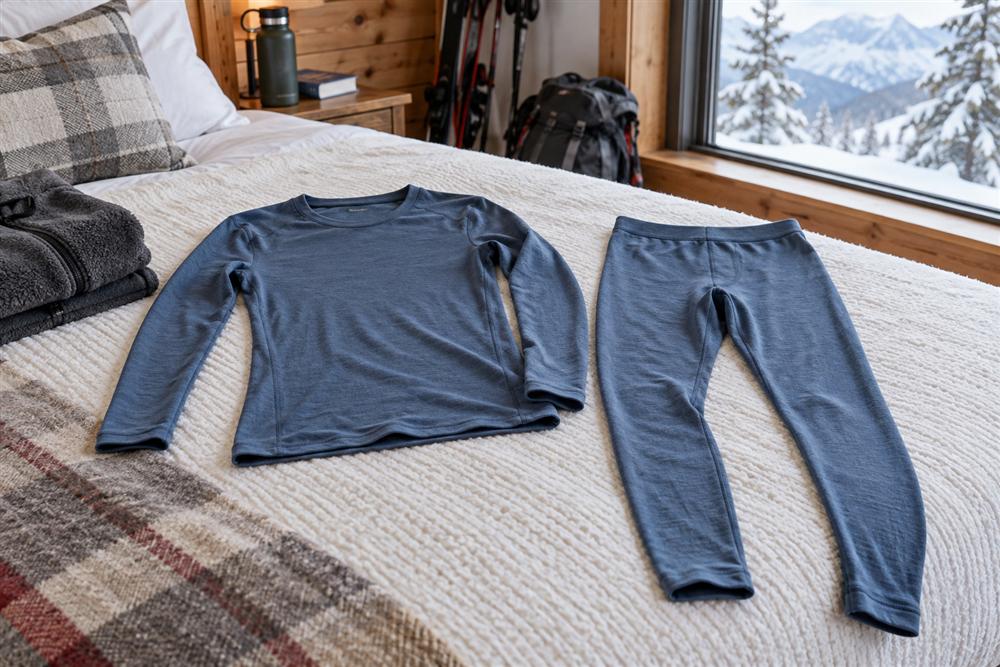
Choose the layer next to your skin as part of the whole clothing arrangement, with a practical plan for warmth, breaks, and dry replacements.
Compare a midlayer beneath your existing jacket, checking movement, fastenings, and storage instead of assessing its visible thickness in isolation from the rest of your kit.
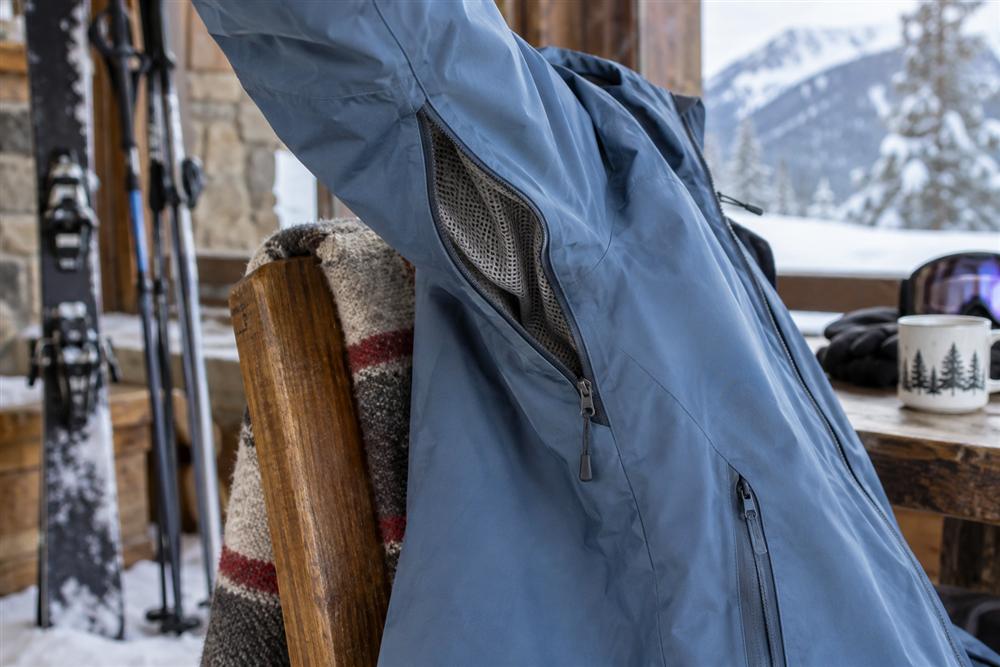
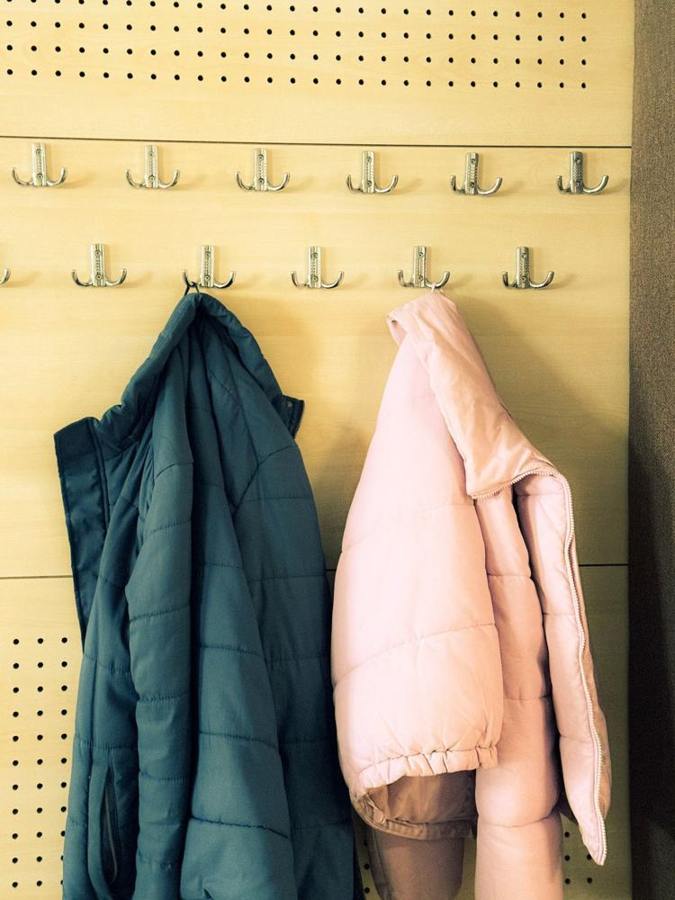
Learn where your jacket vents are and how they operate before skiing, then adjust them for activity and conditions at a suitable stopping point.
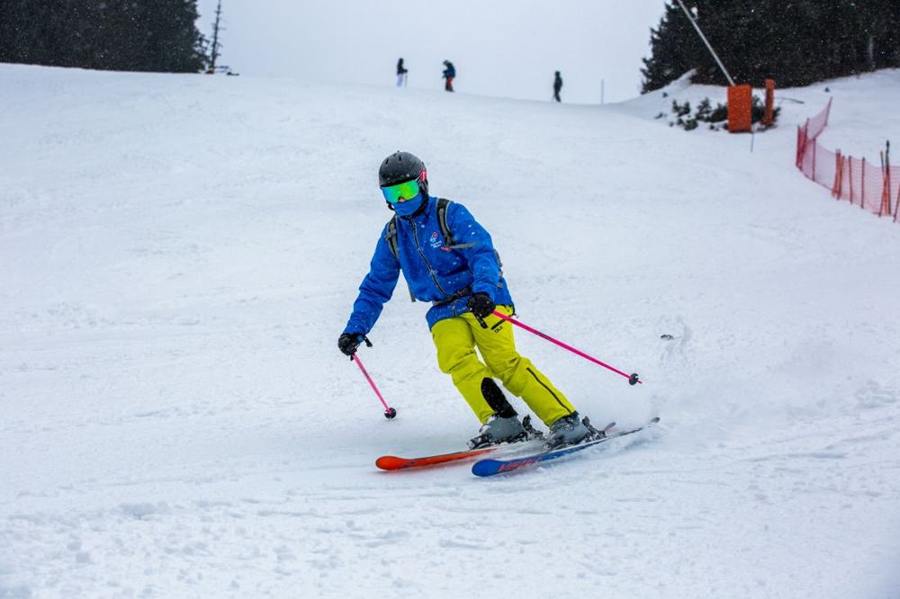
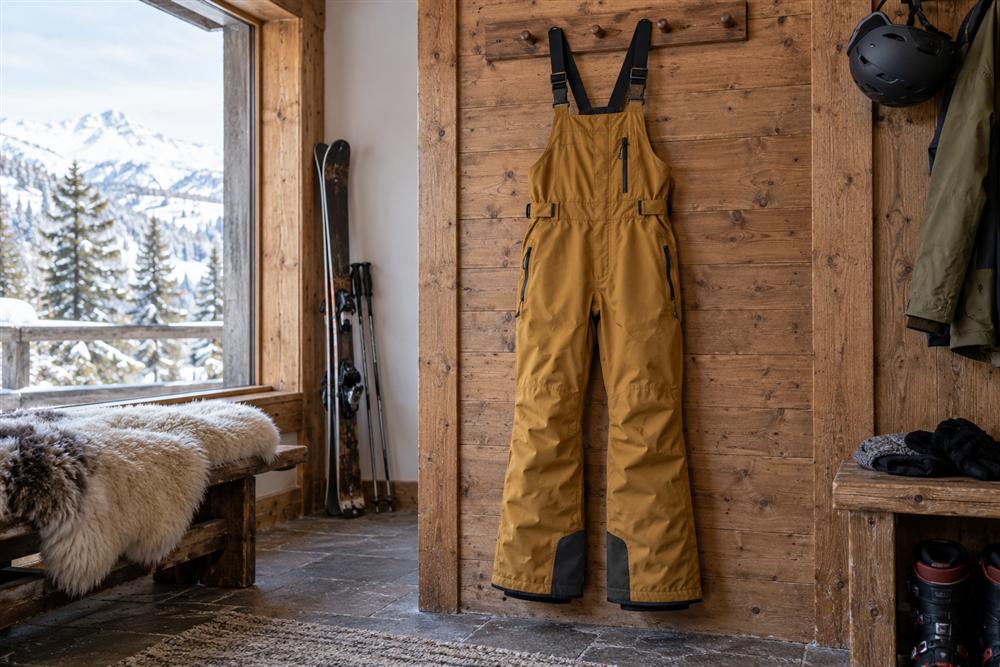
Try ski trousers with your planned layers and boots, assessing movement, fit, and hems together rather than choosing them by waist measurement alone.
Straps, the bib and access zips change how snow trousers fit. A complete fitting shows whether the design works with your other layers in everyday use.
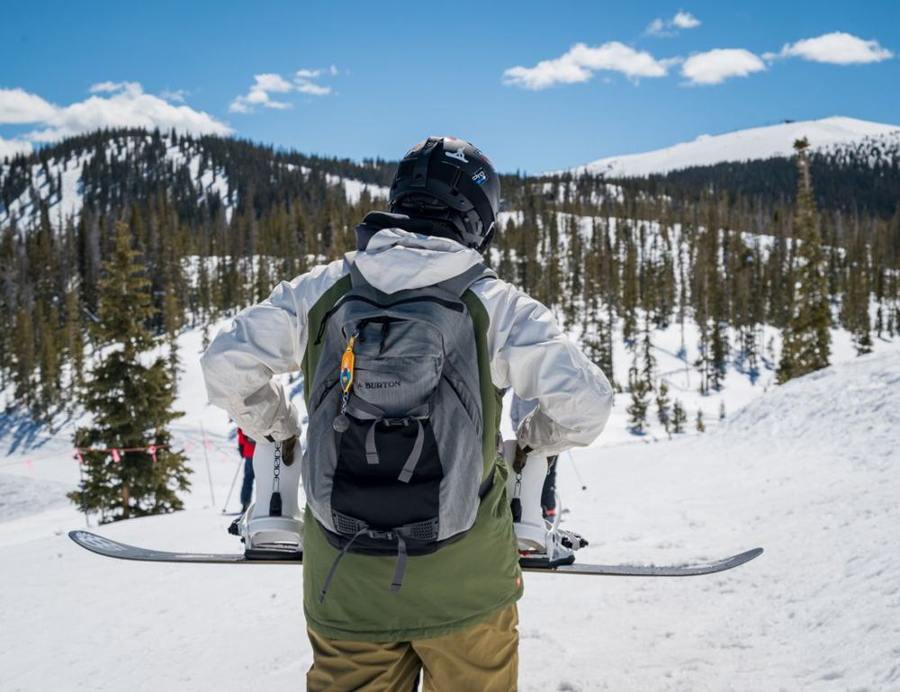
A piste backpack should reflect what you actually need during the day. Clear compartments and a settled fit are more useful than carrying as much as possible.
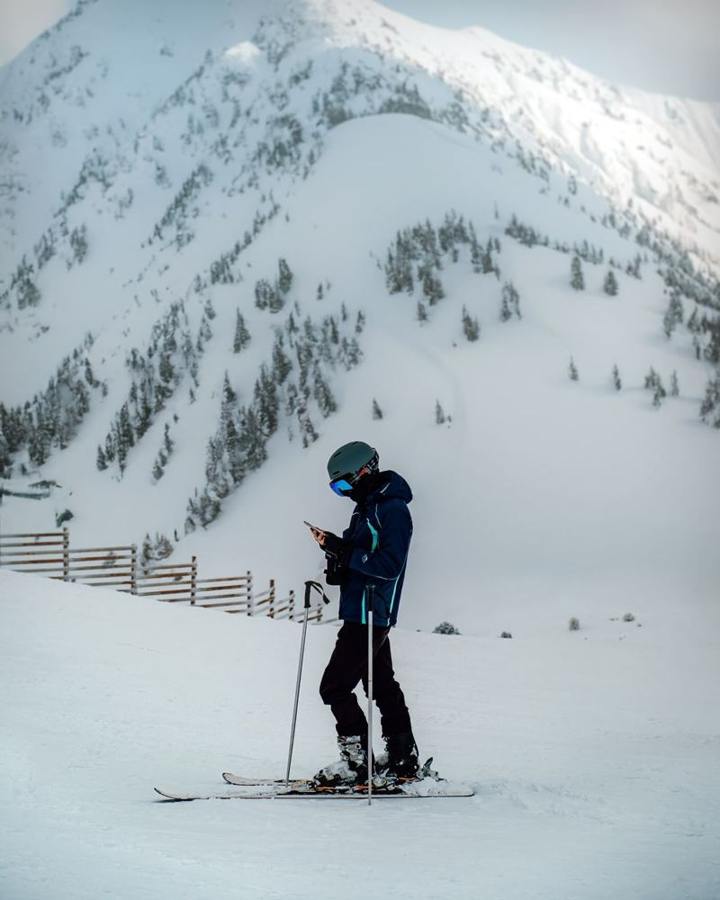
Fixed places for your phone, keys and documents reduce searching during the day. Include breaks, damp clothing and the journey back to your accommodation in the arrangement.
A neck warmer must work with your jacket collar, helmet and goggles. Check its height, bulk and handling with the equipment you actually wear on the mountain.
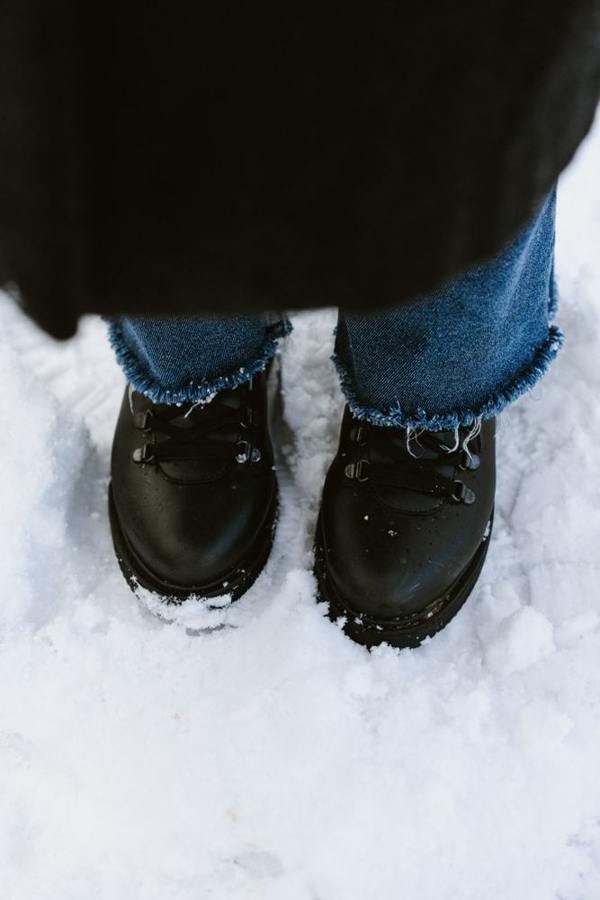
Walking to the ski bus, shopping and exploring the village differ from skiing. Choose winter boots around those actual journeys and the clothing you will wear.
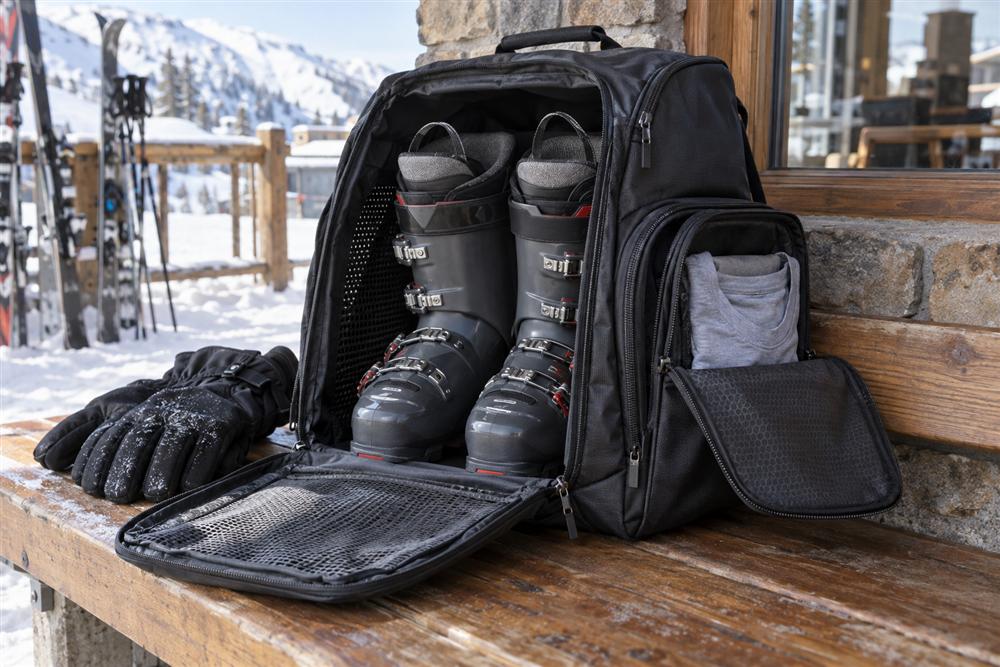
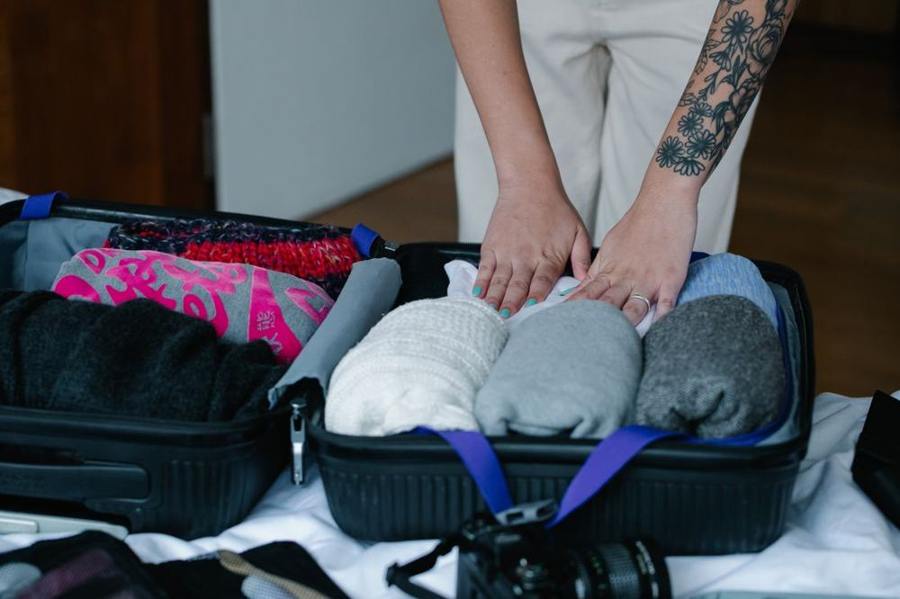
A separate boot compartment makes the rest of your packing easier to organise. Its actual shape, access and handling after a damp journey matter most.
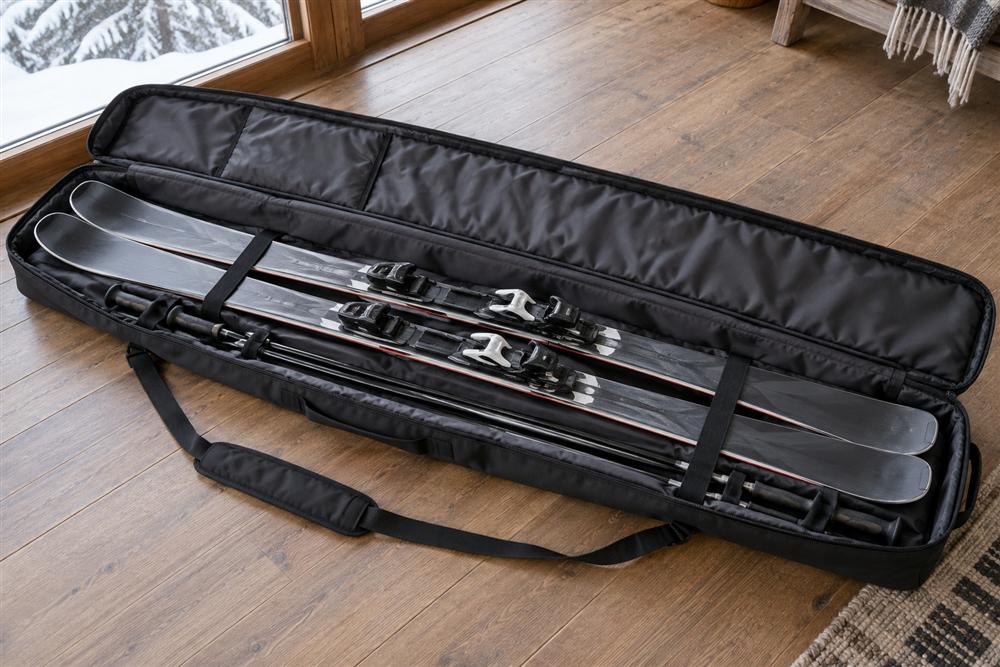
A suitable ski bag accommodates the actual ski length, bindings and transport route. Check it loaded rather than comparing only the size printed on the label.
For a few ski days each year, consider the whole effort surrounding equipment. Compare use, transport, servicing and suitable availability alongside purchase costs and daily rental.
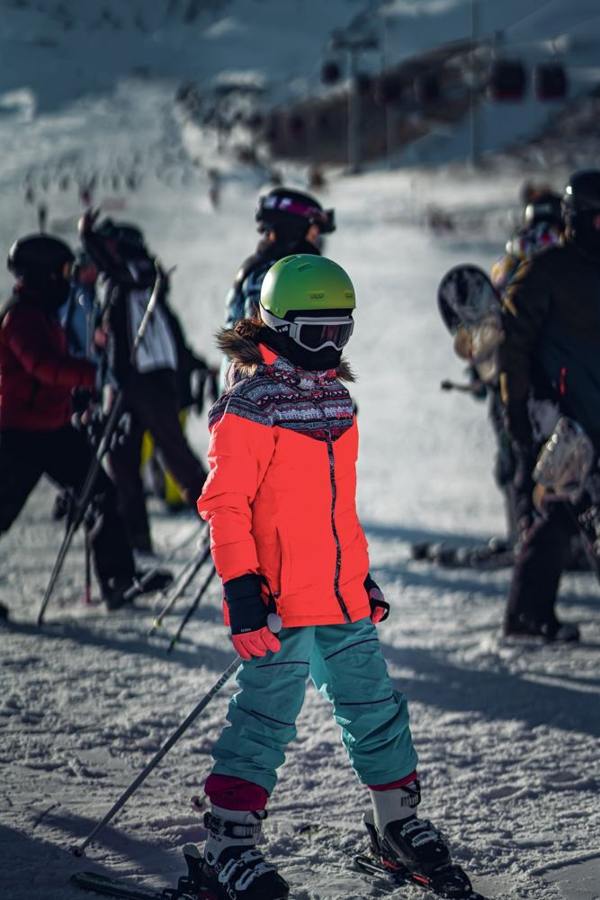
Children's sizes, needs and travel plans change. Deciding separately for each piece of equipment is often clearer than choosing between an entirely purchased or rented set.
With second-hand ski clothing, assess fit, condition and clear care information. Photographs alone cannot establish whether fastenings work or the garment remains suitable for your use.
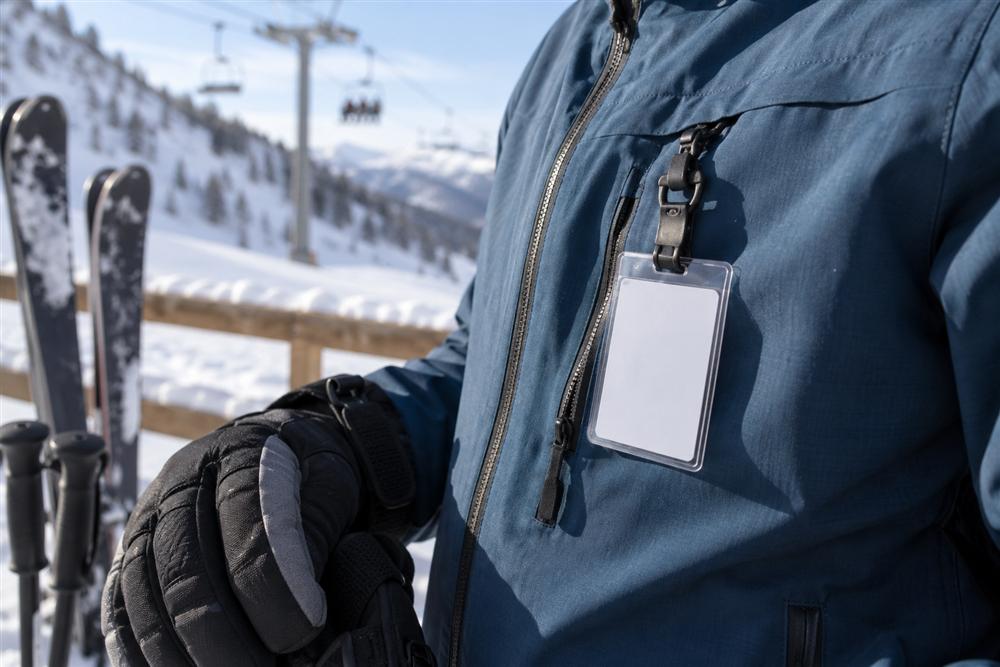
A ski pass needs a fixed, suitable home. Compare existing jacket pockets and holders with the resort's instructions before buying extra straps or retractable attachments.
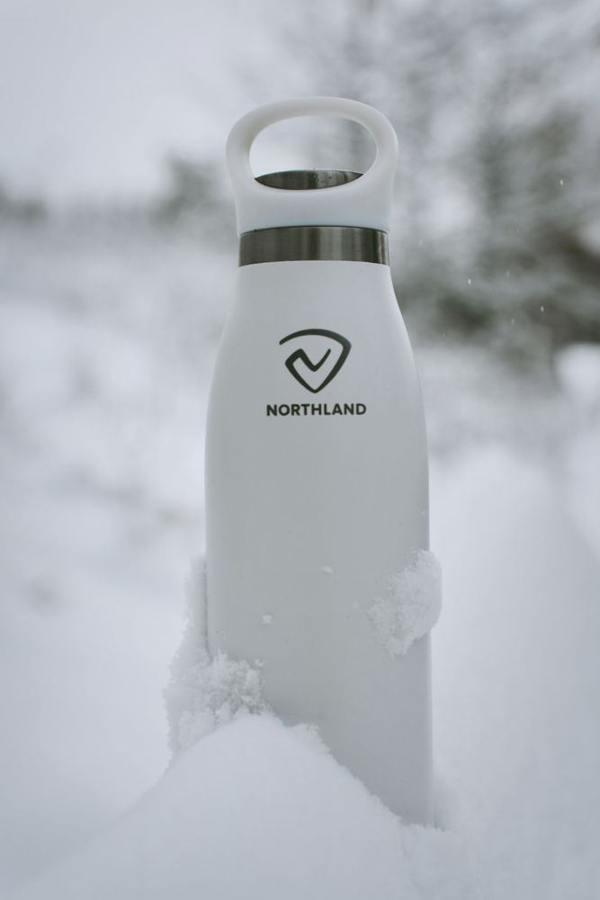
A suitable bottle and well packed food are easy to use during breaks. Plan the closure, portions and return of packaging alongside the other bag contents.
Dry spares help only when they are suitable and accessible. Distinguish between items carried in your day bag and the supply kept at your accommodation.
A packing list involving rental equipment starts with the confirmed booking. Separate borrowed equipment, personal clothing and documents to avoid discovering important gaps on collection day.