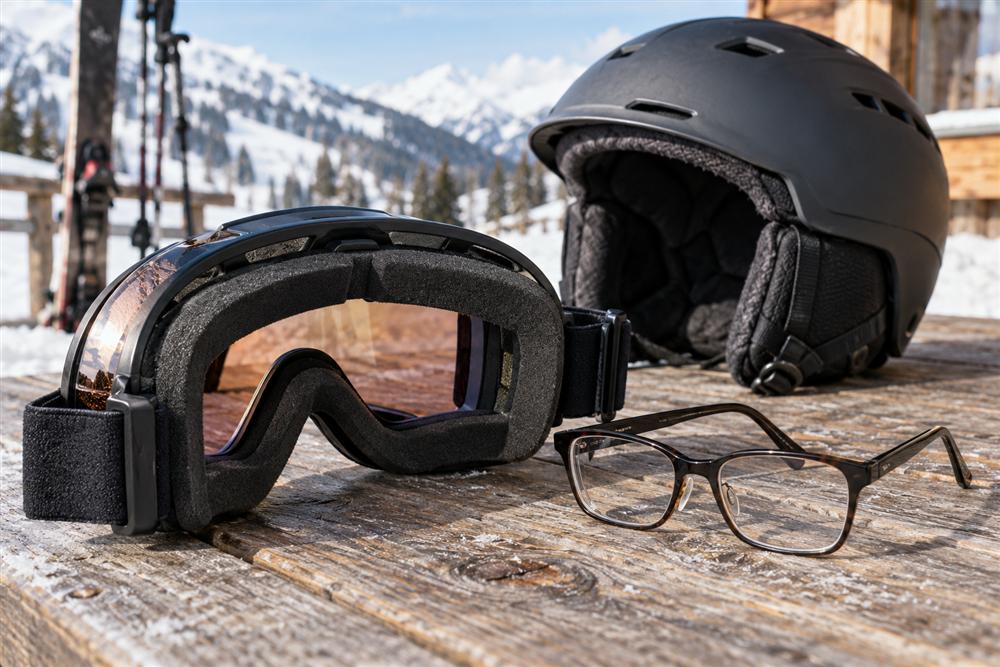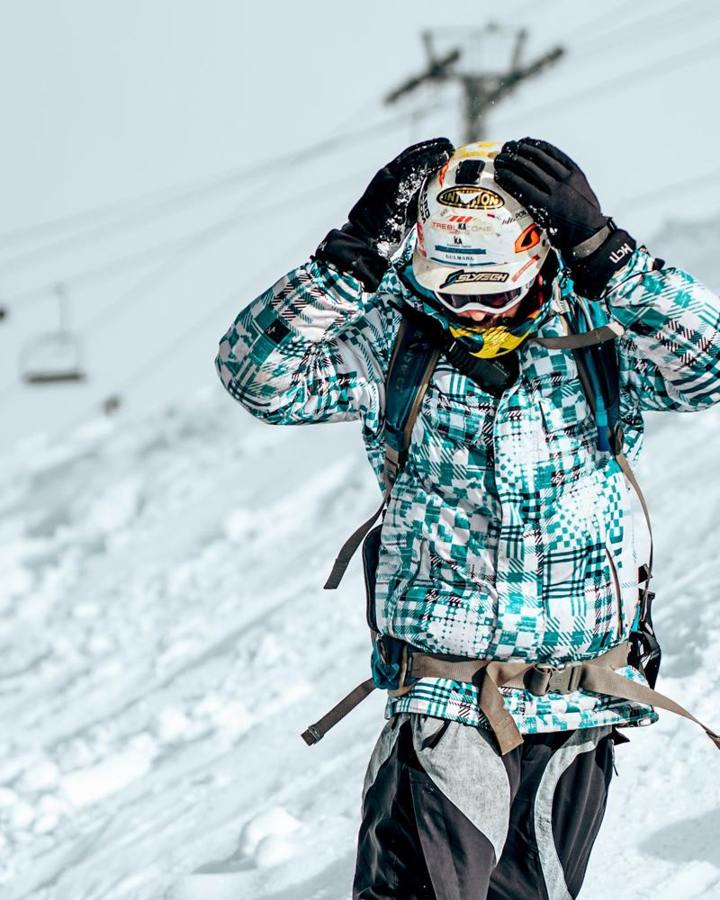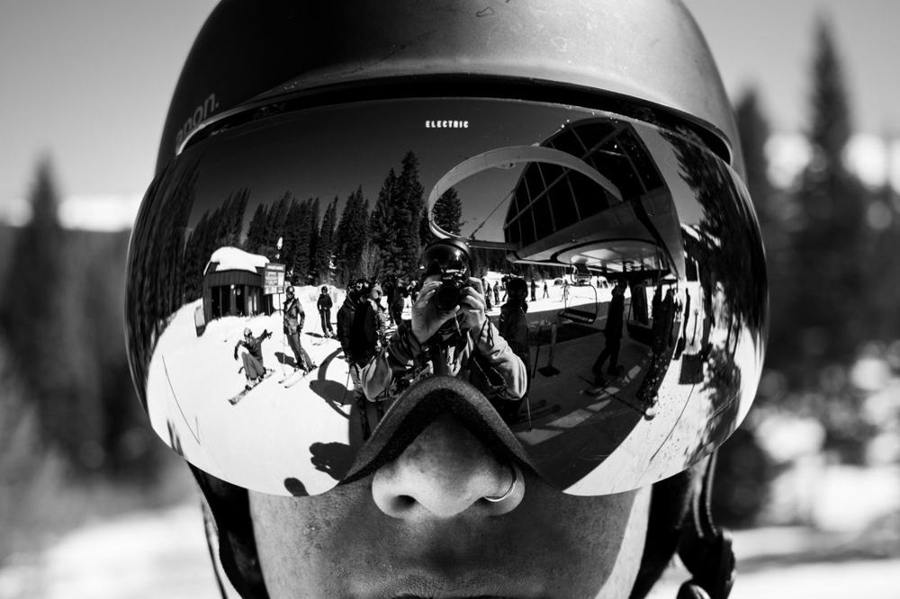
The slope is shaded in the morning and sunny later. For these changes, consider how much visible light a goggle lens transmits and the conditions its manufacturer specifies. A striking exterior colour does not reliably answer those questions. Start with the conditions typical of your ski days, then check the exact lens name rather than only the name of the goggle frame.
Read VLT alongside the intended conditions
VLT describes visible light transmission. A lower figure means less light passes through, while a higher figure means more. Smith associates darker lenses with brighter conditions and lighter lenses with cloudy weather. Compare this information alongside the particular manufacturer’s description of the lens.
Two similarly mirrored lenses can have different specifications. Record the model, lens name, and intended use. A sales photograph on a screen also cannot show exactly how the surroundings will look to you through the lens. Where possible, try the goggles in different suitable lighting conditions.
Identify the change you encounter most
Consider whether you mainly alternate between sunshine and cloud or encounter very different conditions across several days. A lens with an intermediate intended range can be practical, but it does not automatically cover every situation. A more specialised lens requires a deliberate decision about when to use it.
Photochromic lenses change tint within the range specified for the model. Check that range and the usage guidance. Do not treat the description as a promise that every rapid change in light will be accommodated without limitations. In poor visibility, pace, route, and the day’s plan still need to suit the actual conditions.
Check changing and replacements before buying
For an interchangeable system, consider whether you can operate the mechanism as instructed. Ask for a demonstration and check which replacement lens fits the exact frame. Similar model names or the same brand do not establish compatibility. Compare the whole package, including a second lens you would actually need.
Decide where a spare lens will travel protected and where you could change it without rushing. A loose lens in a jacket pocket is unsuitable storage. If you rarely change lenses, a second complete pair of appropriate goggles might be more practical, although it must also fit your helmet and face.
Record the chosen combination and its manufacturer guidance. Choose for the conditions you actually expect rather than the most impressive mirror finish. Appropriate lenses help with changing light, but they do not replace changing your ski-day plan when visibility deteriorates substantially.