A second pair of gloves and an additional layer can be useful on a winter holiday. Yet every spare does not need to go up the mountain each day. Consider where you could change something and when you will return to your accommodation anyway. A small, deliberately packed reserve is easier to use than several garments buried among other belongings.
Divide spares around the day's schedule
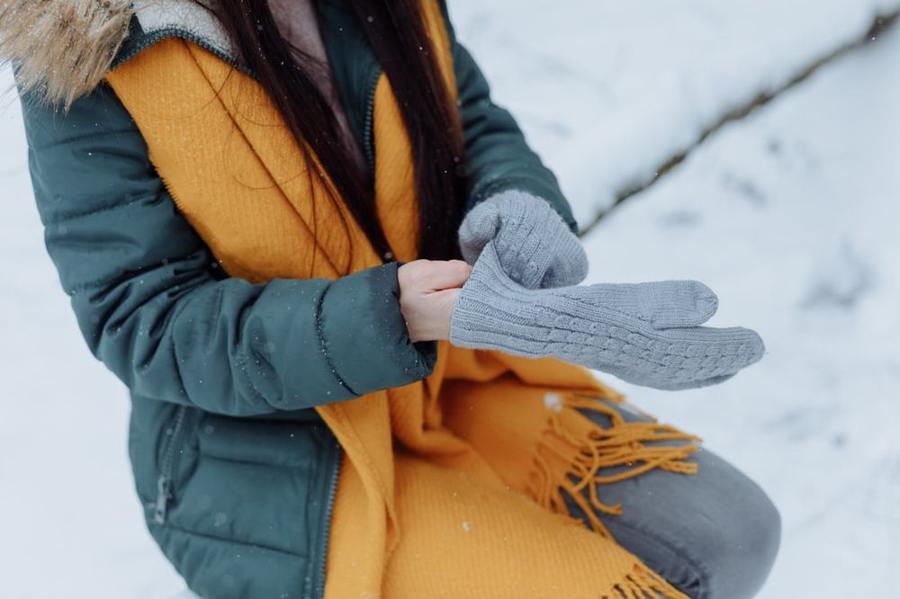
Separate accommodation spares from day bag spares first. Dry socks or another base layer can be ready for the next morning without travelling in your backpack. Spare gloves may be useful during the day if changing them is a realistic need in your planned activities. Decide according to your needs and weather planning, rather than the number of empty pockets.
In a group, consider who needs their own items. One pair of spare gloves will not automatically fit everyone. Discreetly label similar belongings or put them in separate pouches. With children, it particularly helps when an accompanying adult knows where each child's suitable spare is stored.
Try spare items properly beforehand
Check spare gloves together with your jacket and ordinary handling tasks. An old pair with a broken fastening is not a dependable reserve merely because it was still in the cupboard. Look at the fit and whether you can operate the rest of your equipment normally. Assess any particular properties using the individual manufacturer's information.
Try the additional layer underneath or over the intended garments, depending on its purpose. Consider whether you could change it during a suitable break. A garment requiring extensive removal of your equipment serves a different purpose from an easily accessible layer for stops. Identify that purpose clearly when packing.
Separate dry and used clothing
Put the day reserve in its own closed pouch or suitable compartment. Check its actual protection rather than treating every cover as waterproof. A potentially leaking bottle should not sit directly alongside the spare top. Pack the garment where you can reach it without completely emptying the bag.
A second, distinguishable place helps with used items. After changing, do not simply push damp gloves back among the dry spares. Unpack them promptly on return. Drying and care should follow the relevant labels or instructions; strong heat is not a universal shortcut for every material.
A useful reserve has three qualities: it fits, stays separate and is available at the right time. In the evening, check what was used, then replenish the day reserve only after drying or with another suitable item. This avoids packing the same damp contents the following morning and mistakenly treating them as prepared.