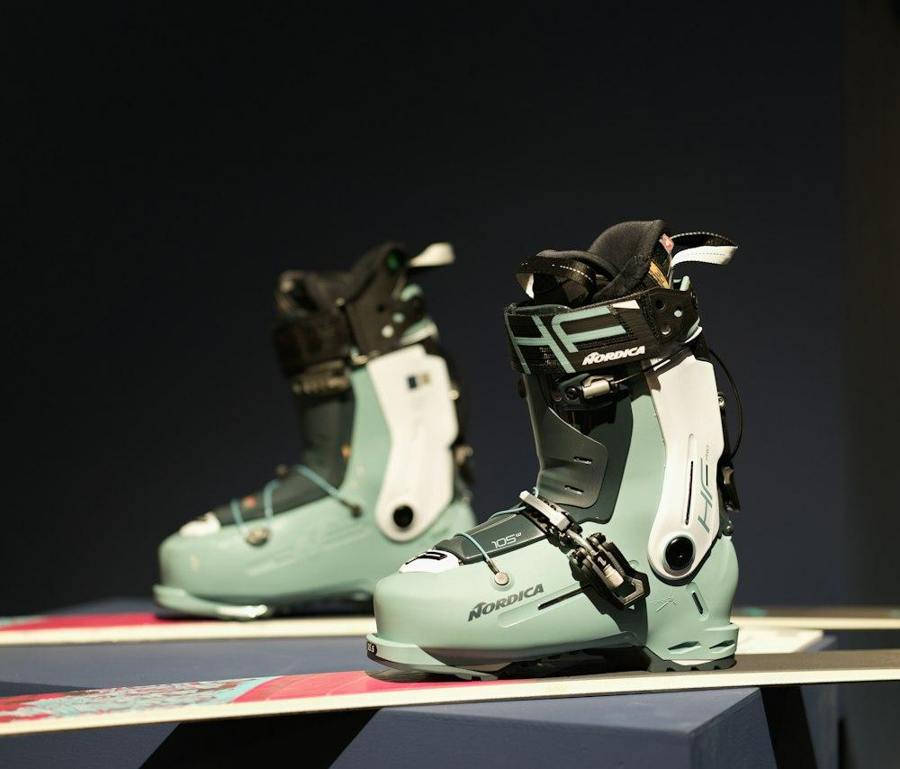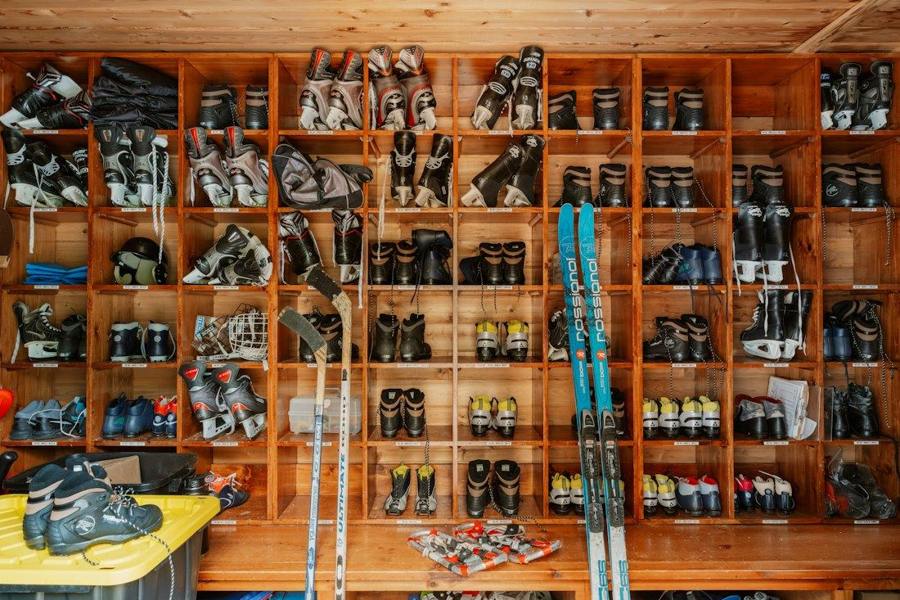
After several winters, similar gloves, individual socks and assorted bags often accumulate together. Before travelling, the search begins for the set that actually fits. A simple inventory can reduce that effort. It needs no special software and does not have to capture every detail. What matters is clearly recognising existing equipment and finding outstanding tasks again.
Start with the belongings actually present
Lay out your own equipment first and record only what is actually with you. Treat rented or borrowed items separately. For shared belongings, note their allocation so several people do not plan to use the same object simultaneously. Give similar designs a short distinguishing description, such as colour and size.
Record matching pairs as pairs and explicitly note missing pieces. One glove is not a complete spare supply. Check bags and old travel pouches for forgotten small items too. This is a useful opportunity to return things to their intended places without immediately deciding on every possible new purchase.
Use a few understandable fields
A spreadsheet or paper list can contain item, person, storage place and next task. Describe condition clearly: externally viewed, care outstanding or professional assessment to arrange. The blanket entry good may suggest more certainty than you have actually established. For technical or protective equipment, your list does not replace professional assessment.
Record sizes and model details where they will help with a concrete question later. A link to the correct manufacturer's instructions may also be useful. Avoid indiscriminately collecting serial numbers or personal details unnecessary for this private organisation. The list should stay clear and remain understandable months later without explanation.
Add a date to completed care if that helps your planning. Distinguish work actually carried out from a scheduled appointment. That prevents service planned from quietly becoming service completed. Keep relevant existing documents in the same known place or clearly linked to the item.
Resolve tasks and storage locations
Allocate outstanding tasks to sensible times. A manufacturer question or required professional appointment should not wait until the evening before departure. Describe the task so the next action is clear, such as send model details rather than simply check helmet. Combine several questions for the same contact where that makes arrangements easier.
Store clean belongings, dried according to their instructions, in appropriate places. Label a container with its contents if helpful. The inventory should describe the actual location rather than the one originally intended. Update the entry immediately when something is lent or moved. Otherwise, the most useful column loses its reliability.
An inventory works when it is short enough to update and specific enough to locate things. Begin with existing equipment and clearly defined outstanding tasks. Recheck condition, fit and completeness before every trip. On return, care for used belongings, correct locations and add new questions; the system need not do more initially.