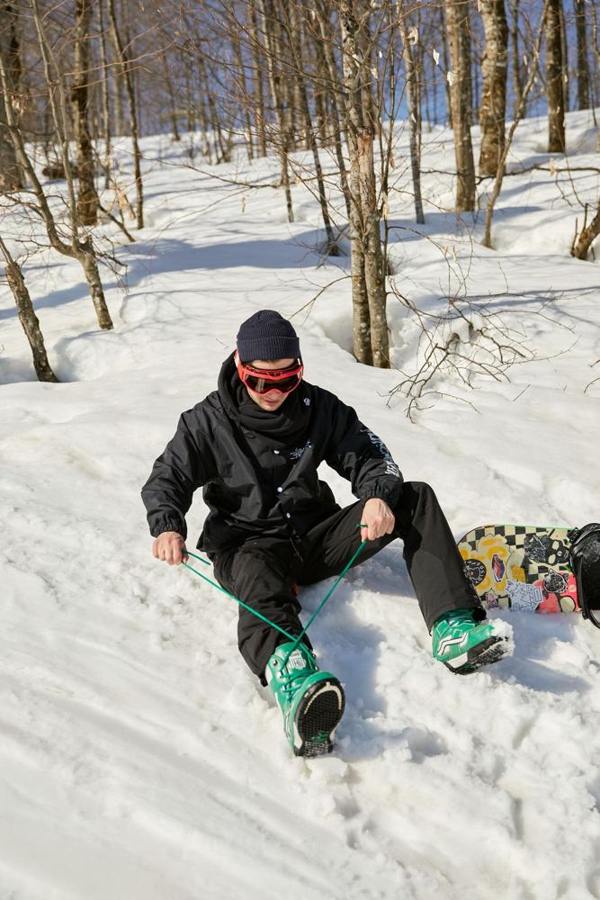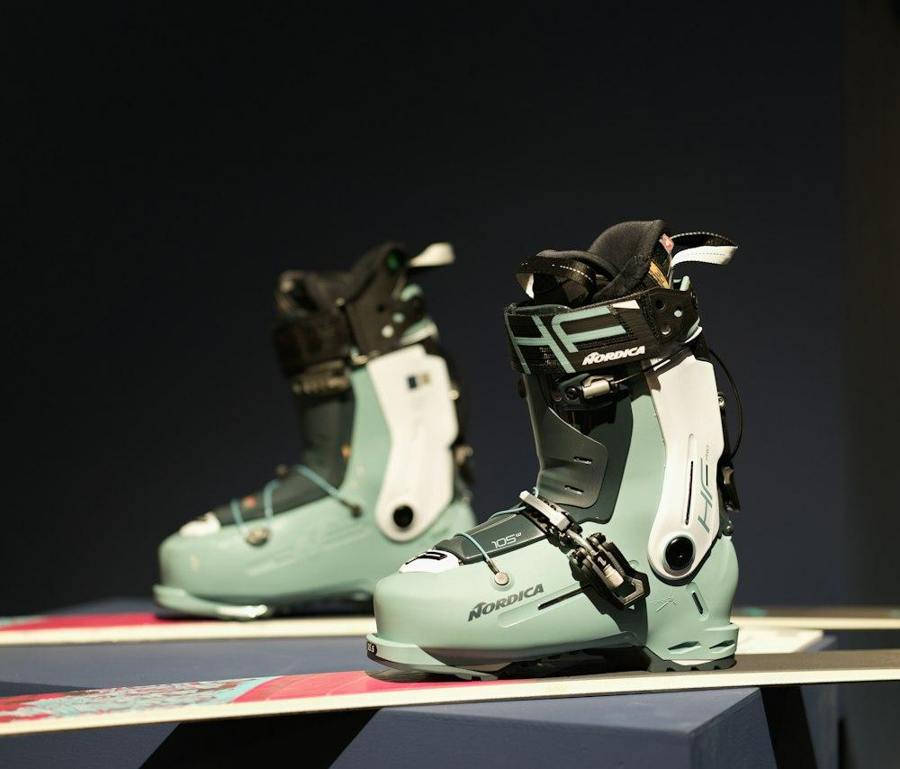
After skiing, boots can easily disappear beneath a bench or remain in a closed transport bag. Avoid postponing unpacking until the next morning. First establish where the pair can dry without blocking a passage or becoming confused with someone else’s boots. If your accommodation has a drying room, find out how its equipment operates and whether it suits your own or rented model.
Unpack and use the intended space
Take both boots out of the bag and keep the left and right together. Remove clinging snow from the outside according to the manufacturer’s instructions before placing them in the drying area. Avoid delicate furniture and piles of already dry clothing.
For rental boots, ask the shop which daily care is permitted. Remember the rental number when several similar pairs occupy a shared rack. A short note about the location prevents a search through the whole room in the morning.
Avoid direct heat as a shortcut
HEAD advises natural drying away from direct heat for its ski boots, specifically identifying hair dryers, radiators and fireplaces as unsuitable examples. Do not use these improvised methods instead of the appropriate instructions for your boots.
If a boot dryer is available, check its operating instructions and approval for your particular boot model. Equipment provided by a hotel is not automatically suitable for every item. The accommodation can explain the device, while the manufacturer or rental shop can resolve questions about the boots.
Follow the model’s guidance for liners
Use the model instructions to establish whether and how the liner should be removed. Ask for a demonstration if the procedure is unfamiliar. Do not pull on parts whose attachment you do not understand; rental equipment also requires the shop’s agreement.
Keep removable components that are intended for this treatment organised as a pair. Your own footbeds and additional items need their respective care instructions too. A damp evening does not automatically require washing the whole boot or adding deodorising products.
Check again before packing
Before the next use, check the interior rather than judging only by a dry outer shell. If the boot remains damp, discuss an appropriate solution with rental staff or a specialist shop. Allow time for that before the lesson.
Reinsert any permitted removable parts according to the instructions and check that everything is present. Longer storage additionally requires the manufacturer’s guidance about closures and location. A damp transport bag should also dry before the finished pair goes back inside.
An orderly evening routine avoids improvised heating just before a lesson. Unpack promptly, use a confirmed drying location and check the boots before storing them again. When unsure about equipment or removable parts, a specific question is more useful than applying extra heat.