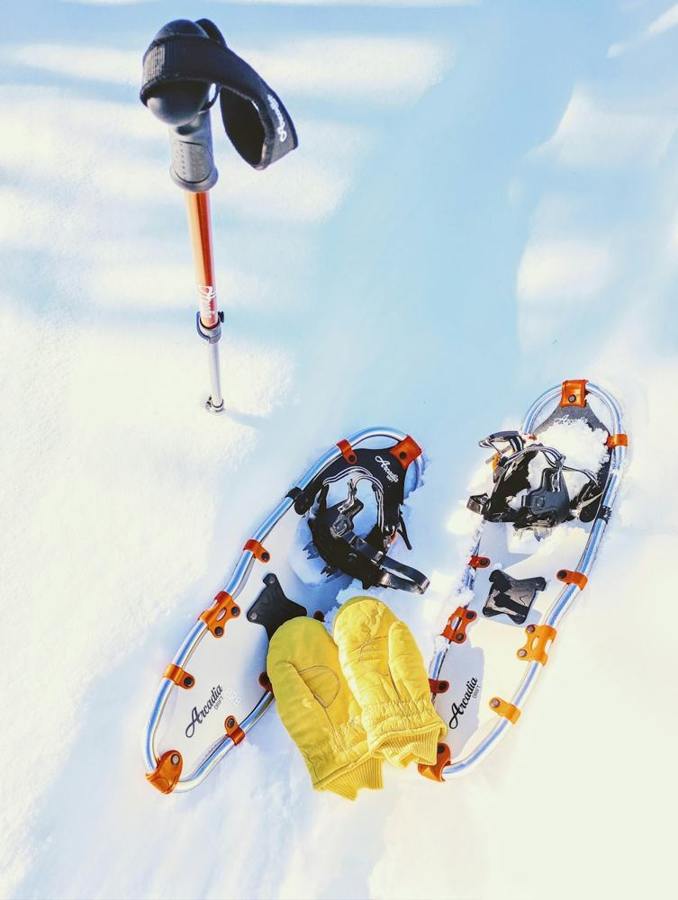
After skiing, gloves may look dry outside while remaining damp inside. Quickly placing them on a radiator does not reliably resolve that question and may not suit the materials. Start with the care label and model instructions. Then arrange somewhere both gloves can dry completely without heavy belongings resting on top of them.
Understand the construction before pulling anything out
Check whether the liners are genuinely removable or form a fixed part of the model. Hestra’s care guide explicitly distinguishes these designs and warns against simply turning gloves with fixed liners inside out. Ask a specialist shop to explain an unclear construction.
For intended removable components, keep each outer glove and liner together as a pair. Do not hide small parts beneath damp jackets. A wool liner may have different care instructions from the outer glove, so avoid automatically treating everything in the same way.
If your model contains electrical components, follow its dedicated instructions and resolve questions directly with the manufacturer. A general glove routine does not cover those additions.
Arrange a drying place and allow time
Hestra recommends air drying away from direct heat. Do not automatically choose the hottest place in the room. Observe the intended positioning or hanging arrangement for your pair and use existing attachments according to their instructions.
Separate wet gloves from dry spare items. In a shared drying room, check which spaces are available and how you will recognise your pair. Gloves on a heater or beneath a stack of luggage are not a useful space-saving arrangement.
Avoid wringing a soaked pair to accelerate the process. Hestra advises against this in its care information. For more extensive dirt, first establish which cleaning the particular materials permit rather than immediately adding a full washing routine.
Check dryness and condition before restarting
Before packing, check the finger areas and lining as far as possible without pulling fixed parts out. If the pair is not ready, arrange a dry spare or ask the specialist shop for advice. A promise that every model dries overnight would not be useful.
Look for obvious changes to seams, cuffs and closures. For loose or damaged parts, a professional enquiry is more appropriate than an improvised repair. Note the model so questions about care or replacements can be identified clearly.
Only put the finished pair into a bag that is also dry. Do not store it with damp socks merely because both items belong to the same traveller.
The useful sequence is to understand the construction, choose an appropriate place and check again before storage. This keeps drying manageable and suited to the materials. If the available time is insufficient, a planned spare is more useful than spontaneously increasing the heat.