Care
Dry ski boots gently after a day on snow
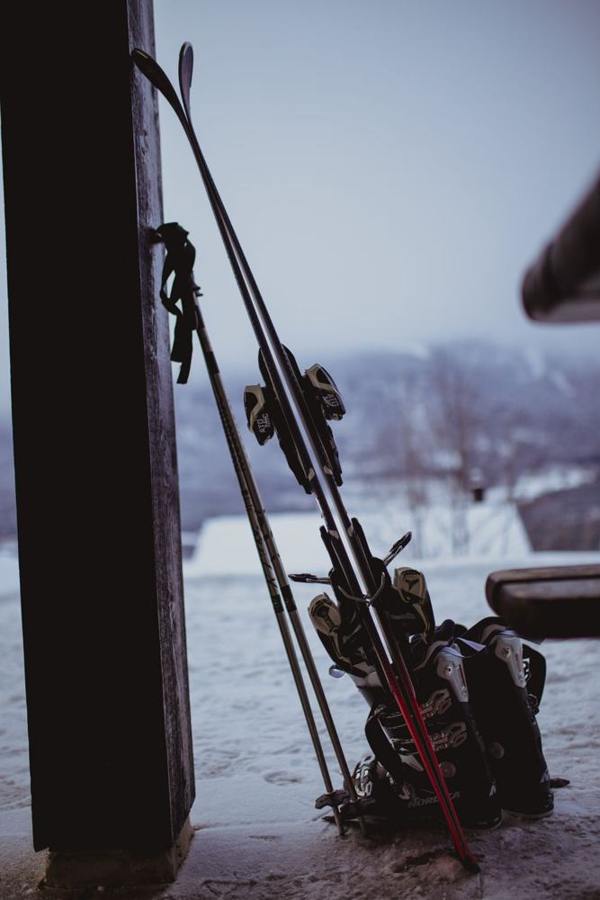
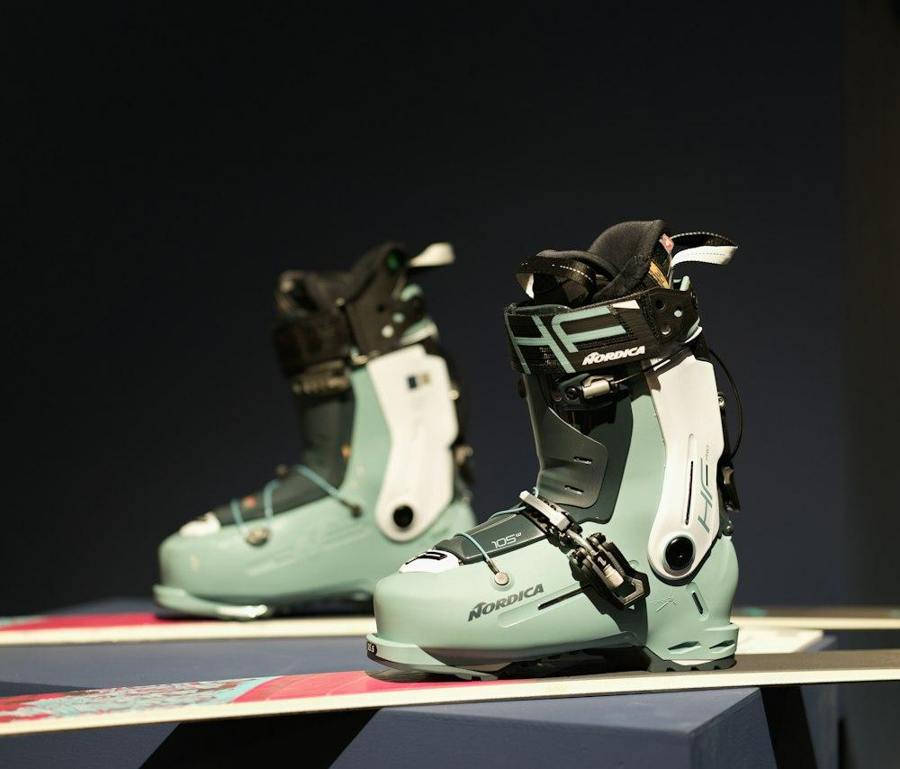
Start drying ski boots when you return. A suitable place, the model’s instructions and a check before morning use matter more than applying as much heat as possible.
Dry, check and store your winter equipment thoughtfully.
Start drying ski boots when you return. A suitable place, the model’s instructions and a check before morning use matter more than applying as much heat as possible.
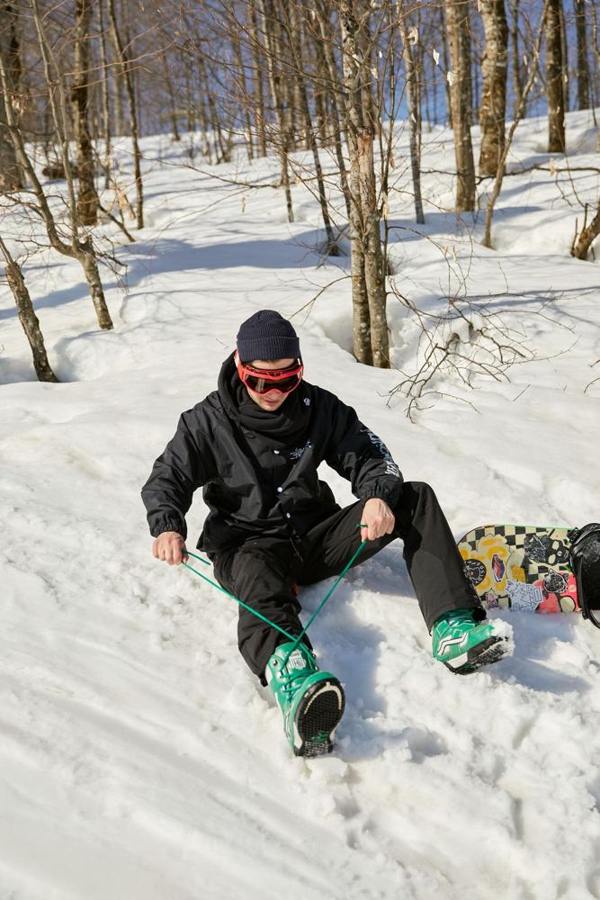
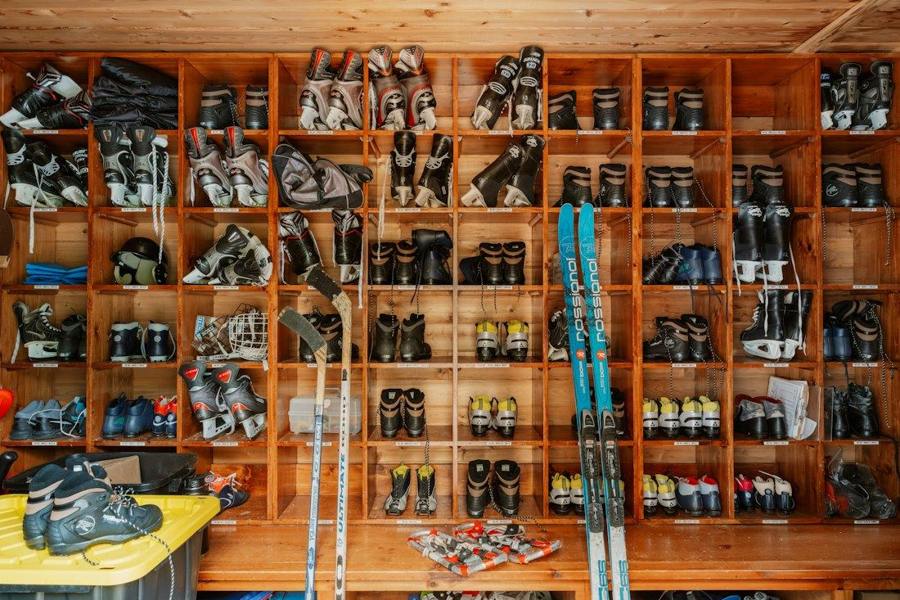
Between snowboard days, boots need a dedicated place to air. Organise shells, permitted removable components and the bag so a complete pair is ready in the morning.
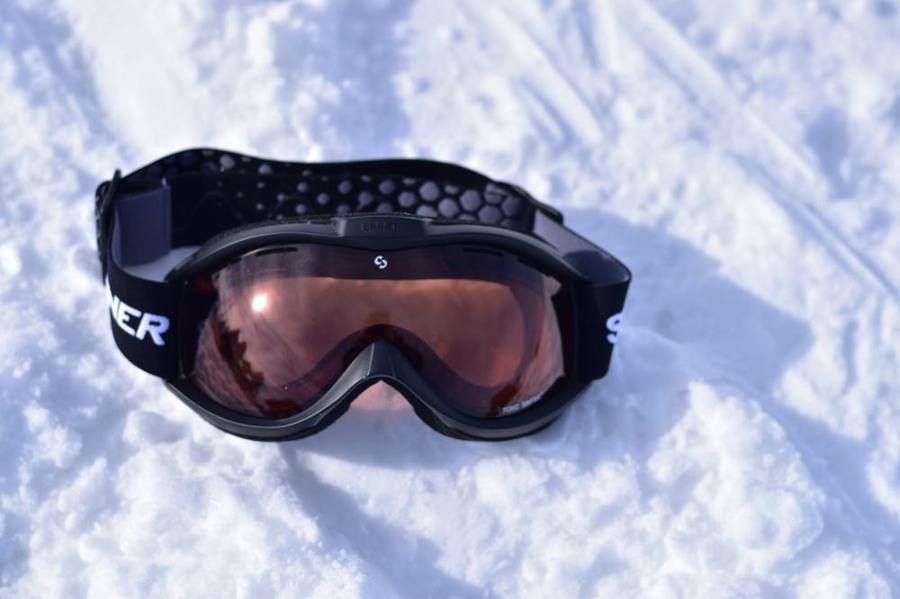
Firm wiping is not a good immediate response to damp goggles. Separate drying, permitted cleaning and protective storage, following the instructions for the particular model.
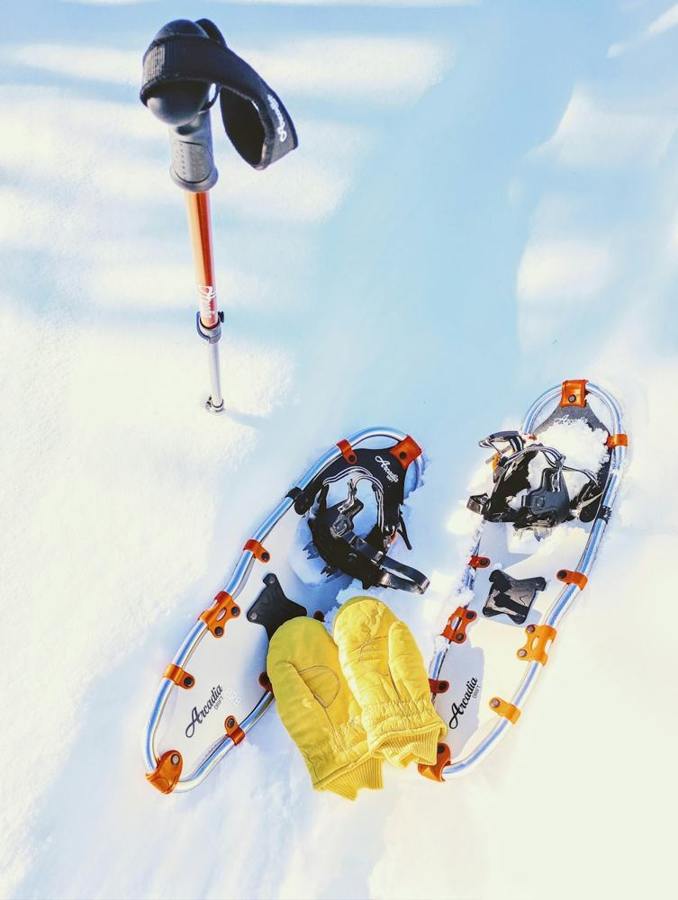
Wet gloves need space and care suited to their construction. Check removable liners and follow the manufacturer’s drying instructions before putting the pair back in its bag.
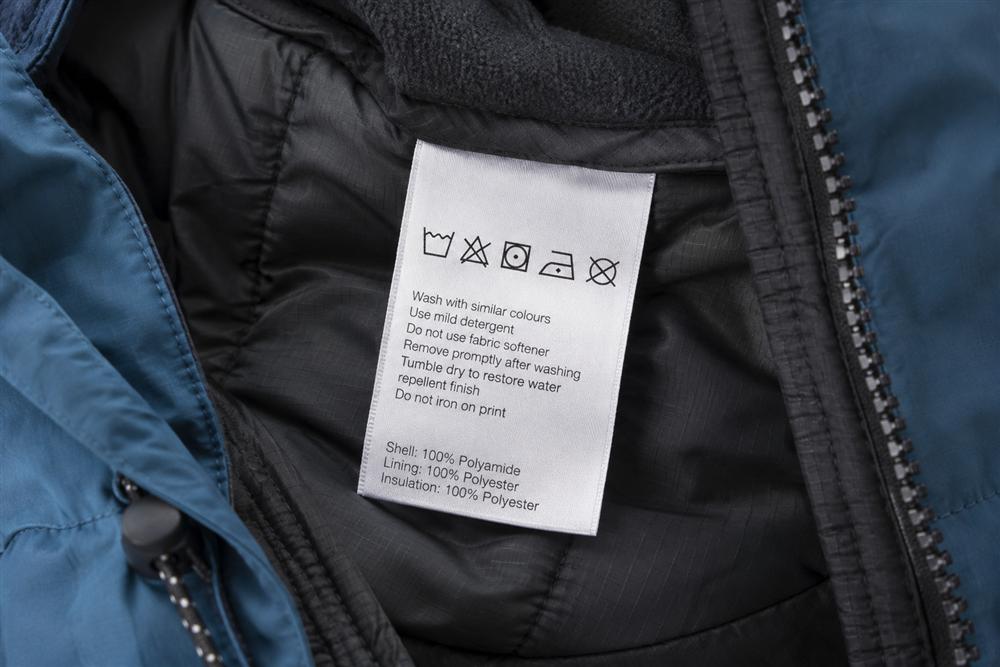
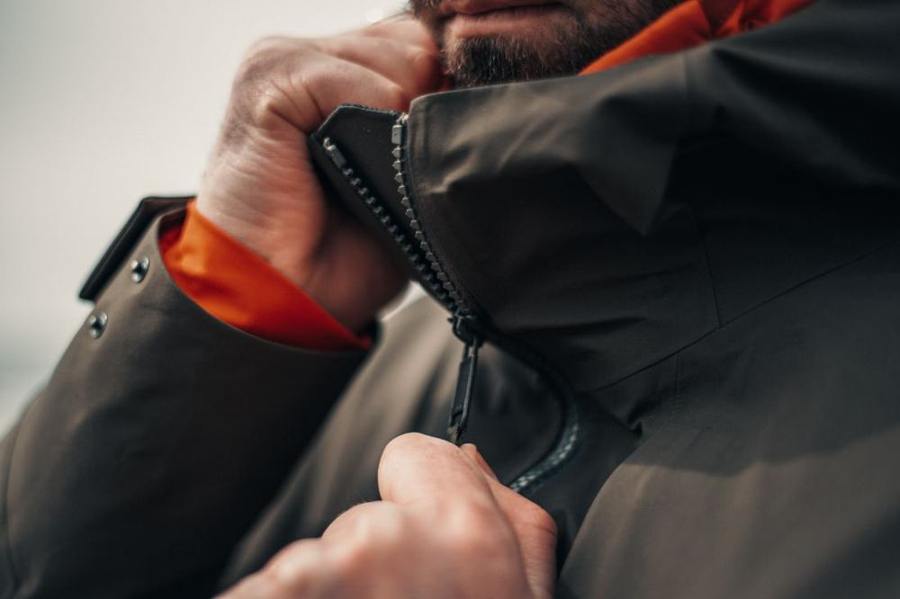
A ski jacket and trousers do not necessarily need one standard wash. Read each label, identify the model and plan cleaning and drying as a connected process.
Check a stored ski jacket early enough for cleaning or repairs. Review pockets, closures, fabric and care instructions, then try it with the layers you intend to wear.
After the journey home, a ski bag is initially transport packaging. Unpack the skis, check their condition and complete drying and necessary servicing before longer storage.
Before storage, make an organised assessment. Separate visible concerns, necessary professional work and the eventual storage place so unresolved questions do not disappear until next winter.
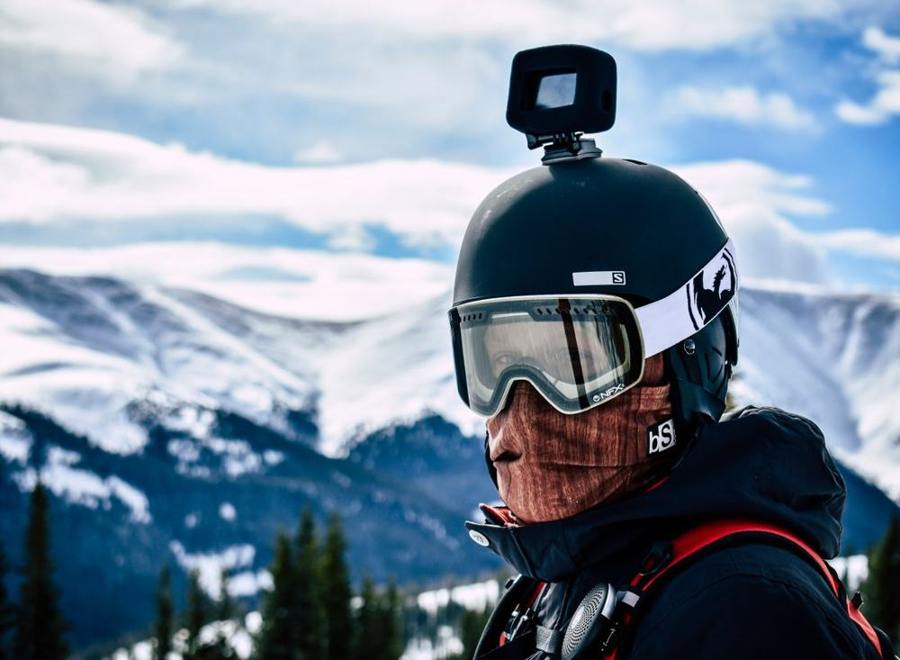
Helmet care depends on the instructions for the specific model. Organise cleaning, permitted removable parts and storage so that improvised treatment is unnecessary.
An organised return begins before the last run. Check the items, agreed location and deadline, and openly discuss any questions about condition with the rental provider.
A small inventory shows what you own and what needs resolving before the next trip. Record condition, ownership and storage location as distinct pieces of information.