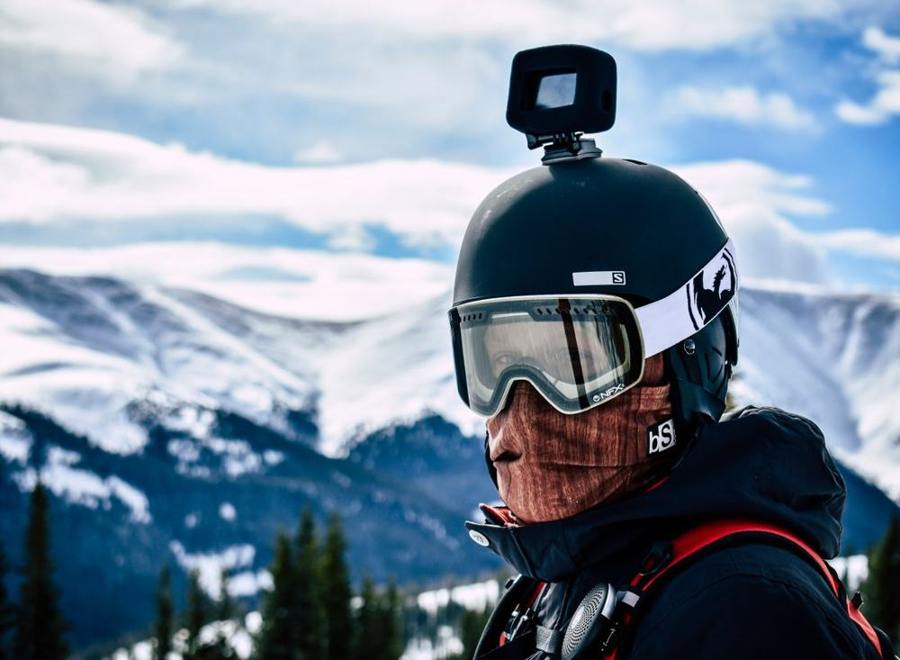
A ski helmet should not disappear unchecked among boots and luggage after a holiday. Take time to identify the model and find the appropriate manufacturer's guidance. Similar looking pads or fastenings may require different treatment. Cleaning is not repair either: a tidy looking helmet has not automatically been assessed as suitable for its next use.
Match the model to its instructions
Find the model identification on the helmet and its corresponding instructions. Retain the product markings. If you find only a general online page, ask the manufacturer whether it applies to your model. A saved document with a clear name is easier to locate next time than an unidentified screenshot.
Before starting, establish which parts the instructions actually allow you to remove. Photograph their original arrangement if useful as a memory aid. Do not force unfamiliar attachments apart. Asking the manufacturer is preferable to assuming every internal pad can be removed for washing.
Carry out only the permitted cleaning
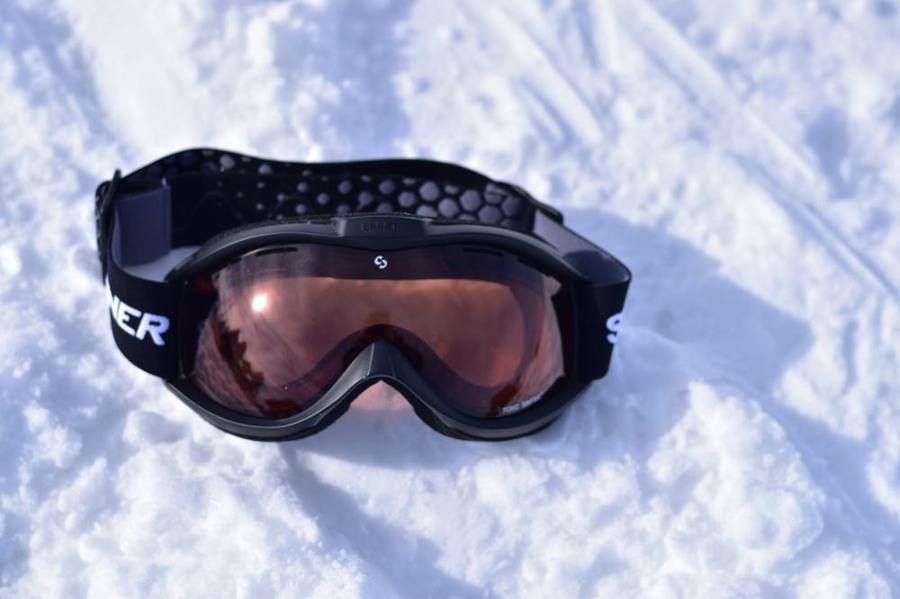
Smith describes gentle cleaning with mild soap and water for its ski and snowboard helmets, warning against harsh products and solvents. Apply that guidance only to the appropriate product. Prepare the intended materials and follow your own instructions. The goggles stored beside it may have different care requirements and should be treated separately.
Where the instructions describe removable pads and their cleaning, follow that exact process. Avoid arbitrary machine washing based on a similar looking material. Set cleaned parts out clearly so nothing is lost or mixed with another helmet's padding. Their eventual arrangement should remain as clear as it was before removal.
Assess condition and history separately
KASK explains for its snow helmets that replacement is required after a substantial impact, even without visible damage. Follow your manufacturer's actual replacement guidance. Cleaning does not remove that history. If condition is uncertain, do not continue using the helmet without clarification; contact the appropriate specialist.
Record concerns and the details the manufacturer requires for assessment. These may include the model and existing markings. Avoid trying to glue damaged parts yourself or reverse an unfamiliar modification. A visual check at home is not general confirmation of protective performance.
Prepare an appropriate storage space
Let the helmet dry according to the manufacturer's guidance before putting it away. KASK specifies protection from direct sunlight and separation from heat sources. Choose somewhere the helmet will not sit under heavy bags. Also follow instructions about its intended packaging or cover.
Keep compatible accessories clearly identified and the instructions accessible. Add another check before the next trip to your preparation list. Even after careful care, condition, fit and every intended fastening need reassessing then. Closing a storage pouch does not complete that task by itself.
Good helmet care follows an understandable process using the correct manufacturer's information. Clean only permitted parts, keep them clearly identified and separate care from the question of continued use. Unresolved damage or history requires clarification with the manufacturer. A clean helmet joins the travel equipment again only after appropriate assessment.