Everything tends to arrive in a family room at once after a day on snow: jackets, gloves, boots and small bags. Without consistent places, moisture reaches dry clothing and a single glove disappears by morning. Organise the room around dry, damp and still-to-check items rather than giving each person an unsorted pile.
Check the accommodation’s arrangements first
Ask about a drying room, ski storage and designated boot spaces. Equipment cannot necessarily be left anywhere in the building. Use only approved facilities and request an explanation of unfamiliar devices. Accommodation instructions do not replace the equipment manufacturer’s care guidance.
Keep corridors, doors and walking routes clear. Nobody should have to step over poles or boots inside the room either. Position heavy items securely and prevent dripping water from reaching sensitive furniture or flooring.
Unpack garments individually
Remove damp gloves and other wet pieces from closed bags. Check the appropriate drying method for each item in its instructions. Do not apply strong heat or use an arbitrary heated surface simply because something needs to be dry tomorrow. Different materials may need different treatment.
Set aside dry spare clothing separately. A supposedly dry jumper should not sit beneath a dripping jacket. When space is limited, reduce what stays in the room and use the designated drying area rather than crowding everything onto one hook.
Introduce a small family system
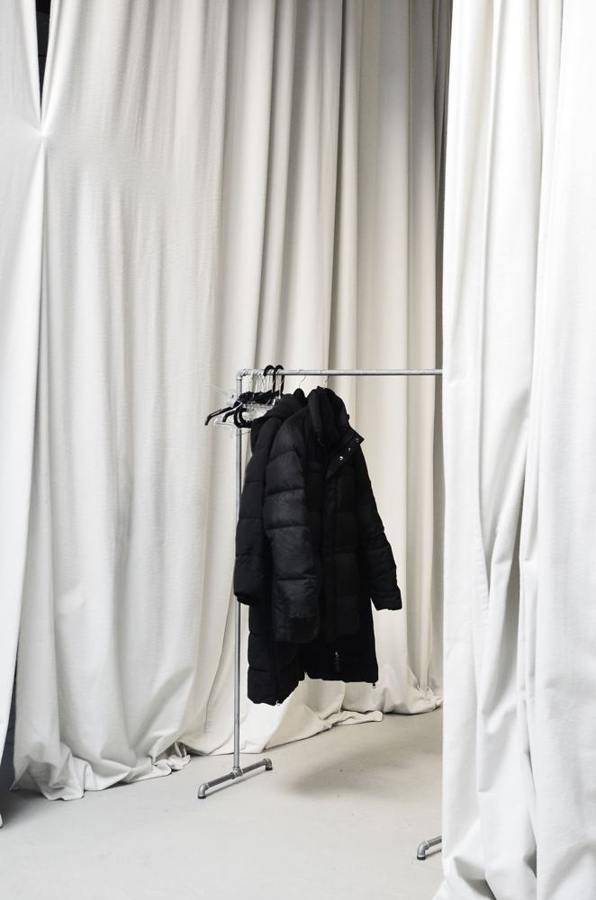
Give each person an identifiable space for dry belongings. Wet items initially go in one clearly separated area for checking, then move to suitable hanging or drying positions. Nobody then has to retrieve their hat from a damp family heap.
Children can pair items and check names. An adult should then confirm that the chosen drying places are appropriate. Allocate jobs according to age and ability; the system should simplify the evening rather than create another complicated obligation.
Take a brief look before bed
Check for items that have fallen, remained in pockets or been stacked together. Prepare dry belongings for the following morning. If something will not be usable in time, arrange a spare or ask the rental shop about an appropriate solution.
Record missing items promptly. Contacting the lesson staff or searching at the next suitable opportunity is easier while you still remember the colour and description clearly. Distinguish a lost item from something merely left in the drying room.
A few clear places are usually enough: somewhere for dry clothing, suitable drying positions and a place to note missing or unresolved items. Check belongings together before the next morning starts. Organisation works best when it fits the accommodation.