A snowpark on the resort map may look interesting, but it is not an invitation to enter without preparation. First establish which local rules apply and whether a visit suits your current ability. In its snowpark guidelines, FIS explicitly says its guidance does not replace a park’s specific rules. Start with current information from the operator of the actual park you intend to visit.
Find the current entrance
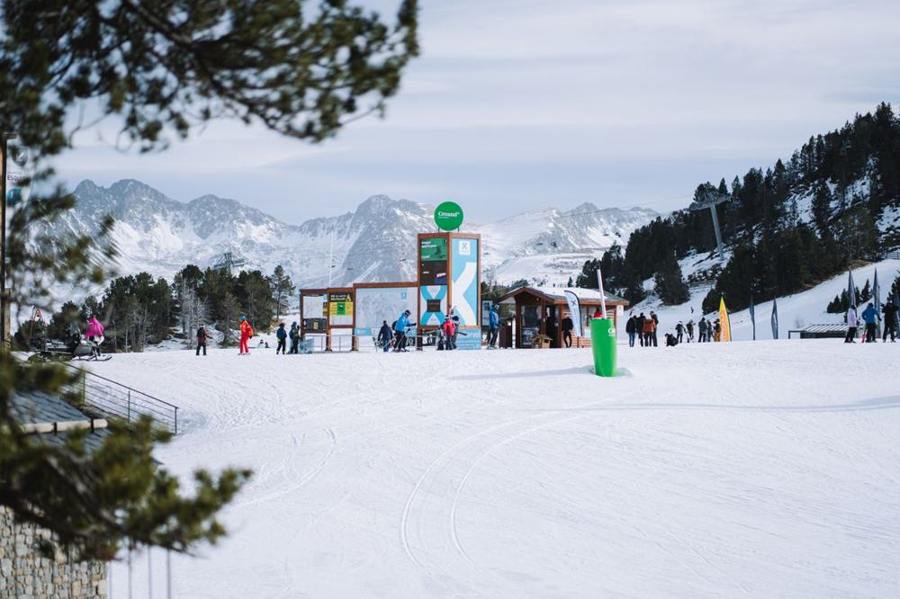
Locate the park in the official resort information and check its operating status. A photograph from a previous season does not reliably describe today’s layout. On site, the designated access and current signs govern the visit.
Read from an appropriate place outside active riding areas. If the notice is difficult to reach or understand, ask the operator or school. Uncertainty is a reason to enquire rather than to make an initial attempt.
Have unfamiliar terms explained
Note any words or symbols you do not understand. Names for lines and features can create a misleading impression without explanation. A friendly-sounding name does not establish whether an area is suitable for your stage of learning.
Ask an instructor to review relevant signs with you. Include questions about the boundaries between open areas, closed sections and other activity zones. Seeing someone there does not establish that you may use it yourself.
Discuss suitability during instruction
Be clear about whether you only want to watch or are interested in a later supervised session. Those aims require different arrangements. A first general snowboard course and a first park lesson are not automatically consecutive stages.
Have qualified teaching staff guide the choice of tasks and the practical introduction. A short rules notice does not teach technique. Do not arrange an impromptu task by copying someone you have just watched.
Raise equipment questions in advance
Ask the school or operator about local equipment requirements. Compare them with your actual rental setup and have the rental shop resolve any outstanding questions. A general sports label does not answer a specific requirement.
If anything is missing or an explanation is still needed, deal with it before a planned session. An equipment concern then does not become an improvised decision at the park entrance.
Allow for changes and the return
Ask where current changes are announced and whom to approach on site. A park visit also needs a confirmed return route and enough time before the lift connections you require.
Companions need an approved viewing or meeting point outside riding areas. If suitable access is unavailable, arrange to meet elsewhere.
Reading the rules starts the preparation; it does not provide a complete park introduction. Connect current local information with an honest account of your ability and specific questions for the people responsible. You can then plan an appropriate visit or postpone it without pressure until a later occasion.