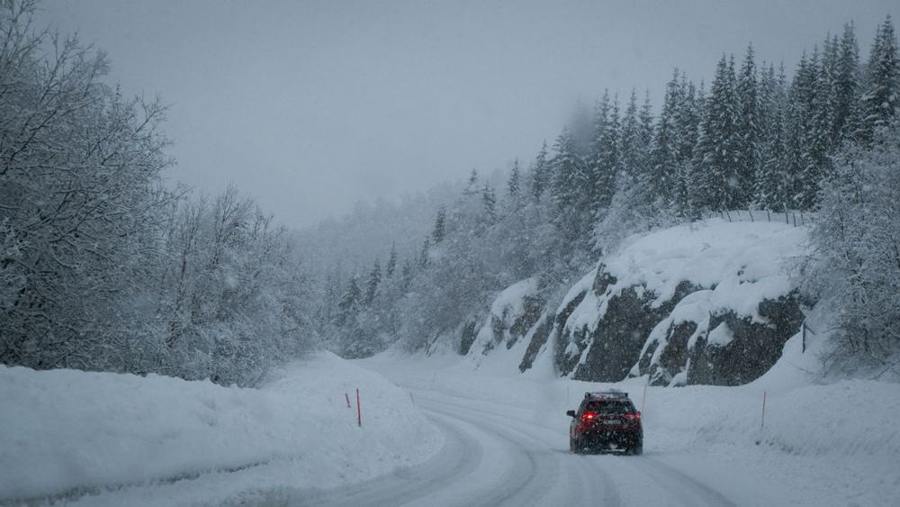
A navigation service's driving time is not a complete travel plan. Packing, breaks, traffic and the final approach to your accommodation add to it. Before a winter journey, avoid scheduling every available minute. This overview concerns organising the drive; vehicle preparation and applicable requirements need separate checking against official information for the route and travel date.
Work backwards from the intended arrival
Confirm the arrival window and key collection arrangements with your accommodation. Avoid making it so tight that an ordinary break threatens the appointment. If equipment collection or another appointment is planned that day, both arrangements must fit. An additional night or later booking may be preferable to an overloaded arrival day.
Choose an approximate departure time that allows sufficient preparation and sleep. Tiredness is not an organisational detail that a tighter schedule can solve. The British Highway Code explicitly advises against starting a journey tired and recommends planning sufficient breaks. Treat this as a basic safety principle rather than a substitute for local rules.
Make breaks part of the journey
Find suitable regular stopping places along your intended route. Allow time to get out, eat and attend to personal needs. A brief fuel stop is not automatically the same as a deliberately planned break. The journey should also allow earlier stops when someone needs one.
If you become sleepy, a planned arrival time must not pressure you to continue. Stop at a suitable safe place; do not use emergency areas as ordinary rest stops. If several people intend to drive, confirm their individual requirements beforehand. Changing drivers does not replace assessing whether the next person is actually fit to drive and rested.
Clarify the final section beforehand
Check current road and weather information with the responsible official services. Confirm vehicle and equipment requirements for the actual route. A shorter suggested minor road is not automatically suitable. Follow closures and local signs instead of relying entirely on navigation saved previously.
Ask your accommodation about the approach, parking and recommended route. An address may have several building entrances. Save the confirmed details and a contact method accessibly. Organise information before driving or through a passenger, rather than searching on a phone while driving.
Pack frequently needed belongings where they are reachable during a break without unloading the entire boot. Loading and attachment must follow the relevant vehicle and carrier instructions and applicable requirements. Resolve unfamiliar arrangements or protruding equipment professionally before departure.
Useful driving plans include time to stop and room to respond to changes. Confirmed accommodation access, prepared information and an unhurried arrival day reduce organisational pressure. If the schedule works only without any breaks, change it. A later, properly organised arrival can be a sensible part of a winter trip.