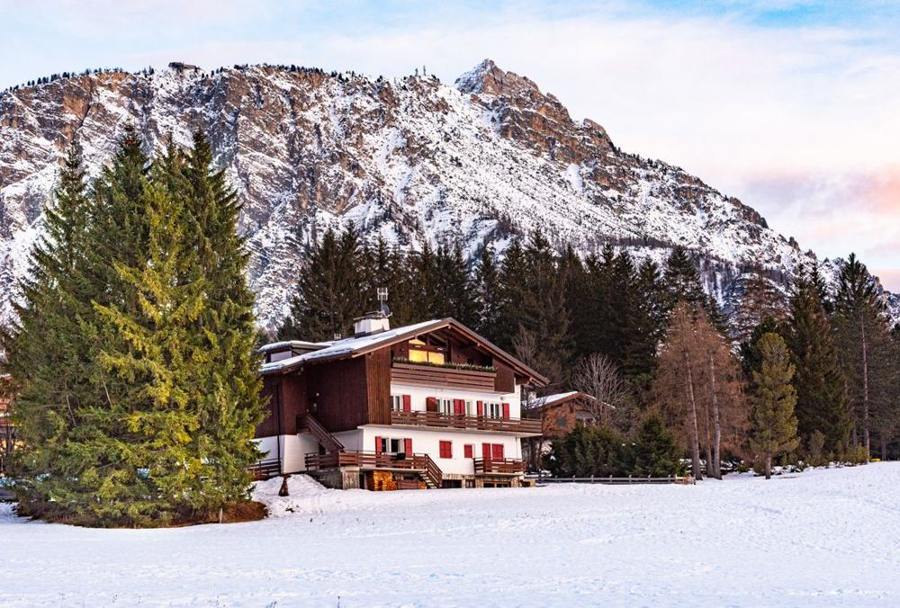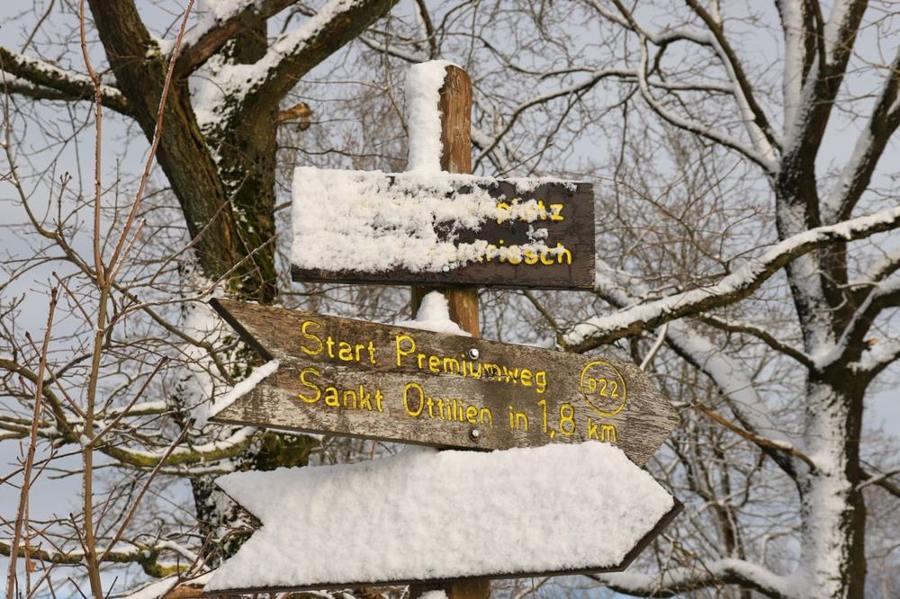
A winter walk can provide a pleasant change from skiing, but it needs an appropriate route. A summer path drawn on a map or footprints in the snow do not confirm that the route is currently intended for winter walking. For an uncomplicated holiday outing, begin with local information about designated paths that are actually open.
Choose the particular winter route
Look for a pedestrian route in the current winter map or ask the responsible tourist information office. Check its start, destination and stated status. A general walking description written for summer is different from current information about an open winter route.
The German Alpine Club describes winter walking particularly on prepared or already tracked paths. Even so, establish the actual local access status and notices for your outing. Footprints alone do not explain who made them or whether their route is appropriate for the walk you are planning.
Consider the distance and return together
Do not plan only the way to an attractive viewpoint. Understand how you will return to the accommodation or bus stop and which service you intend to catch. A short outward walk may become inconvenient if the return is much longer or buses run infrequently.
For a mixed group, start with a manageable route and an obvious option to shorten the outing. Include breaks and the available daylight. Check a mountain restaurant’s opening directly if you are relying on it as a definite part of the route or pause.
Match equipment to the actual path
Choose suitable footwear and clothing for the winter conditions described locally. A cleared village path and a longer winter walking route are different outings. If uncertain, ask about the particular requirements rather than deciding what equipment is needed from an attractive photograph.
Carry the route information and a usable means of contact. Do not assume that every junction will provide the sign you need or that mobile reception will always be available. Tell companions which path you intend to follow and when you expect to return, including those who are not joining the walk.
Take notices along the route seriously
Review the weather and local route status again before leaving. Respect closures, protected areas and marked wildlife quiet zones. Do not leave the designated route for an apparent shortcut across a ski run or through terrain you cannot clearly assess.
If the path differs from its description or conditions do not suit the group, turn back or choose a confirmed simpler option. A shorter village circuit may provide the quiet winter experience you wanted. A route saved earlier is not a reason to continue with an unsuitable plan.
An identifiable designated path and an understandable return matter more than covering the greatest distance. Clarify the current status, equipment requirements and breaks locally. Keeping the outing manageable lets you respond to changes without turning a small holiday walk into an unplanned expedition.