A map may place the car park beside the lift station while your lesson starts at another entrance or a practice area farther uphill. Plan more than the drive. The section after getting out deserves its own attention: where will you collect the board, put on the boots and follow the designated route to the school?
Mark three locations, not one address
Save the car park, rental shop and lesson meeting point separately. Ask for the meeting point’s exact name and, if available, a photograph or official location description. The ski school office address may differ from where the instructor waits.
Check whether a bus or gondola journey connects any of them. Waiting time, buying a ticket and transporting equipment then become part of the route. A short distance in a straight line tells you little about how straightforward the connection will be with a board.
Agree on the sequence with the rental shop
Ask whether changing facilities or storage for everyday shoes are available. If so, you can consider collecting equipment and continuing directly to the lesson. Without storage, you need another arrangement for shoes and bags.
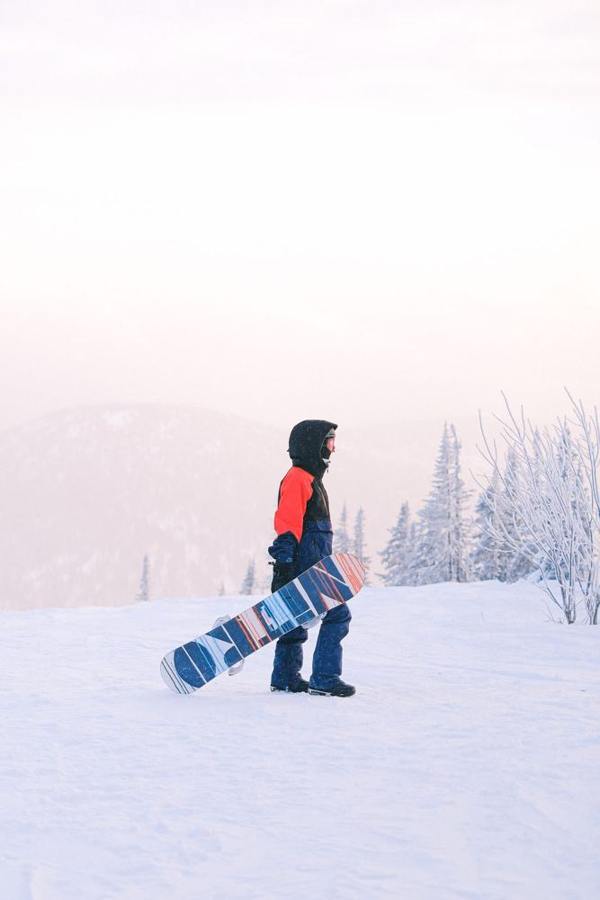
At collection, ask staff to show you an appropriate way to carry the board along this route. Doors, stairs and narrow passages need attention with a long item. Limit other luggage so you are not managing the board, loose gloves, breakfast and an open bag simultaneously.
Treat the walk as a real route
Use the operator’s designated entrances and ask about an appropriate pedestrian route when carrying equipment. A seemingly shorter line across a vehicle area or piste on the map is not automatically an available access route. Visiting the previous day can help you recognise the entrance, signs and junctions without lesson pressure.
Allow time to find your way and complete the fitting. A walking estimate from a map app does not include equipment collection. For an early lesson, establish when the car park, rental shop and any connecting transport are actually accessible.
Plan the journey back as well
Save the parking section or space number and establish whether equipment returns go to the same shop. With several parking areas, “at the car” is too vague as a meeting point. Give companions the specific location.
If the lesson finishes elsewhere, ask how to return to the rental shop. Keep the equipment deadline and any parking time limit separately in mind. This avoids mentally cutting the lesson short because an unresolved connection only becomes apparent in the afternoon.
A useful arrival plan connects the correct locations in a realistic order. Keep the three places and their opening times together. The car park then becomes a clear starting point for the day rather than the place where the search for your lesson actually begins.